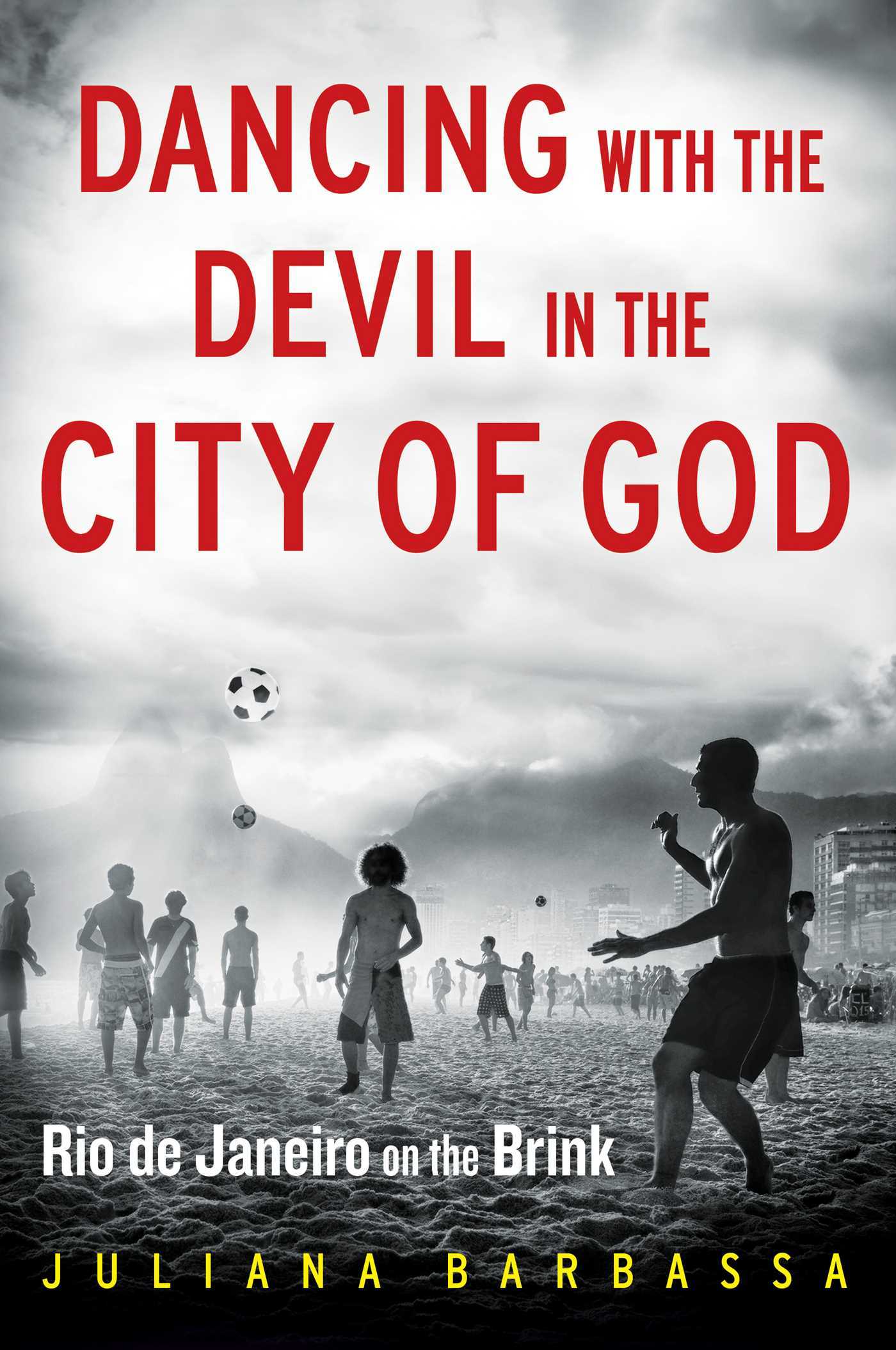
Dancing with the Devil in the City of God: Rio de Janeiro on the Brink
Book Description
Welcome to Rio de Janeiro, where beauty and chaos dance a tantalizing tango. In "Dancing with the Devil in the City of God," Juliana Barbassa unveils a city on the edge, caught between vibrant culture and the suffocating grip of violence. From breathtaking beaches to slums teeming with life, each page pulses with the heartbeat of a metropolis struggling to reconcile its contradictions. Explore the lives of its fierce inhabitants as they navigate hope and despair under the watchful eye of crime and corruption. What sacrifices must be made in the name of survival in a city where the stakes are life and death?
Quick Book Summary
"Dancing with the Devil in the City of God" by Juliana Barbassa is an in-depth exploration of Rio de Janeiro during a period of tumultuous transformation. Blending memoir, investigative journalism, and cultural analysis, Barbassa exposes both the dazzling and grim realities of the city as it prepared to host the 2014 World Cup and the 2016 Olympics. Through personal stories, interviews, and sharp observation, she reveals how global ambitions collided with deep-seated social problems like poverty, violence, and corruption. The book captures the resilience of Rio’s residents—those living in favelas and elite neighborhoods alike—who strive for dignity and hope amid uncertainty. In painting a vivid portrait of modern Rio, Barbassa invites readers to question the cost of progress and the meaning of urban beauty in a city rife with contradictions.


Summary of Key Ideas
Table of Contents
Urban Transformation and Mega-Events
Barbassa chronicles Rio de Janeiro at the crossroads of dramatic change, spotlighting preparations for the World Cup and Olympics that promised to propel the city onto the world stage. She examines the government’s efforts to reinvent Rio: building new infrastructure, clearing favelas, and promoting an image of progress and safety. This push for modernization, however, reveals deep inequalities, with marginalized communities forced to bear the brunt of displacement and broken promises.
Life and Survival in the Favelas
Through immersive reporting, Barbassa brings to life the daily realities of favela residents, highlighting their resilience and resourcefulness. She recounts stories of families uprooted for construction projects and activists rallying against the erosion of their neighborhoods. These personal narratives illustrate both the dangers they face—from violent gangs to police incursions—and the sense of community that binds them, revealing the complexity of life at the city’s margins.
Corruption, Crime, and Police Violence
At the city’s core lies a battle with endemic corruption, violent drug cartels, and often-brutal police tactics. Barbassa delves into these entanglements, investigating how corruption sabotages reform and undercuts faith in public institutions. Her reporting uncovers tragic stories of police abuse and exposes the treacherous tightrope Rio’s residents must walk daily, caught between criminality and state violence.
Resilience and Spirit of Cariocas
Yet amid the chaos, Barbassa finds hope in the unbreakable spirit of the cariocas, Rio’s residents, who continue to find joy in music, dance, football, and community despite adversity. She documents their creative defiance, whether defying stereotypes or forging new paths for social change. The book celebrates their courage and pride, which persist even as they confront the failures and excesses of the city’s transformation.
Contradictions of Modernization
Barbassa ultimately challenges readers to reflect on the contradictions inherent to modernization and global spectacle. Rio is a place of beauty and danger, aspiration and disillusionment. By documenting the human cost of progress and the ways ordinary people fight for dignity, the book forces us to reconsider what is gained—and what is lost—when a city is remade for the world’s gaze.
Download This Summary
Get a free PDF of this summary instantly — no email required.