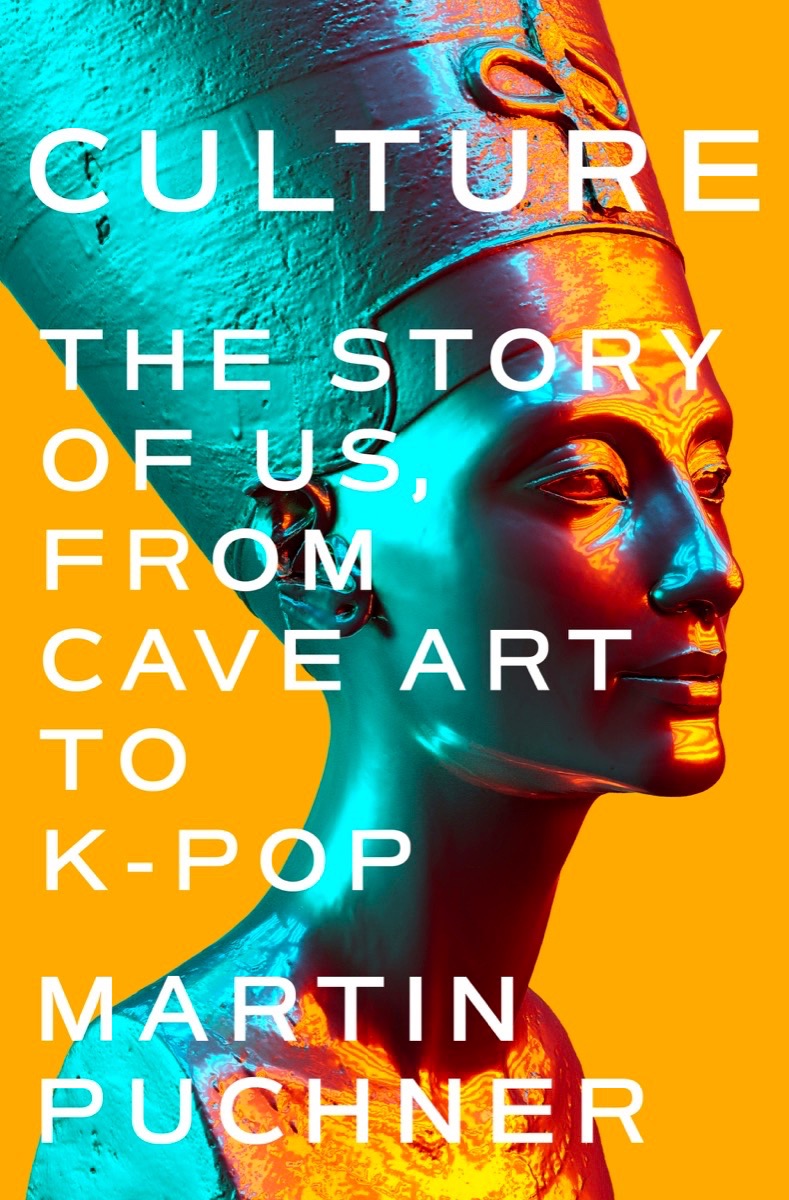
Culture: The Story of Us, From Cave Art to K-Pop
Book Description
From the first strokes of cave art to the pulsating rhythms of K-Pop, culture pulsates through human history, shaping identities and forging connections. Martin Puchner takes readers on a breathtaking journey across continents and centuries, revealing how creativity unites us amid diversity. Each chapter unearths the passions, struggles, and triumphs of humanity, illustrating how art and expression bridge differences and ignite revolutions. Discover the powerful stories behind the masterpieces that have defined eras and emotions. What if the key to understanding our world lies in the stories we tell and the art we create?
Quick Book Summary
"Culture: The Story of Us, From Cave Art to K-Pop" by Martin Puchner is an expansive exploration of human culture, tracing its evolution from prehistoric times to the digital age. Puchner investigates how creativity, through art, literature, music, and storytelling, has been the cornerstone of social cohesion, identity, and change throughout history. The book traverses ancient civilizations, the development of writing, the spread of religions, the Renaissance, mass media, and the global pop phenomena of today, demonstrating how cultural innovations both bridge and highlight human differences. Through rich storytelling and vivid examples, Puchner reveals culture as humanity’s collective legacy, a source of both unity and transformation, showing that the tales we tell and the arts we celebrate hold the key to understanding ourselves and our world.




Summary of Key Ideas
Table of Contents
The Evolution of Storytelling and Art
Culture has been a defining trait of humanity from the earliest days. Puchner opens by transporting the reader back to the world of cave paintings and the birth of storytelling. He argues that these primal acts of creation signaled not just artistic expression, but the forging of communal bonds and shared beliefs. As societies grew, myths, music, and ritual became instrumental in uniting individuals and transmitting knowledge across generations, illustrating culture’s foundation as both memory and tool for survival.
Culture as Social Glue and Divide
As civilizations advanced, the written word catalyzed new forms of cultural flourishing and division. From Sumerian cuneiform and Homeric epics to the scriptures of world religions, written languages allowed stories and ideas to travel farther and last longer. Yet, this technology also created boundaries—between literate and nonliterate populations, ruling elites and common folk—reshaping societies and power structures. Artistic and cultural canons developed, both celebrating human achievement and entrenching systems of exclusion.
The Impact of Technology on Cultural Exchange
Puchner highlights transformative moments when culture provoked dramatic change. Movements like the Italian Renaissance or the Harlem Renaissance emerged from the friction of tradition and innovation, with artists and thinkers challenging dominant norms and inspiring revolutions in ideas and identities. These eruptions of creativity underscored how culture is never static: it is contested, reimagined, and often carries the seeds of both unity and upheaval.
How Cultural Revolutions Shape Societies
Technological advances—from print and photography to radio and cinema—exploded traditional boundaries, enabling faster and broader cultural dissemination. Puchner shows how these waves of innovation not only democratized access to art and information but also ignited new debates about authenticity, ownership, and influence. The pace and scale of cultural exchange accelerated, laying groundwork for the globalized world of today.
The Globalization and Hybridization of Culture
In the contemporary era, culture’s story is one of hybridization and connectivity. The book arrives at the global pop culture phenomenon of K-Pop, which embodies how artistic forms now transcend national borders and blend diverse influences. Puchner contends that while this interconnectedness fuels new forms of creativity and community, it also raises urgent questions about cultural appropriation and identity. Ultimately, he concludes that what unites humanity is our creative impulse—the ongoing making, sharing, and reimagining of the stories and art that shape who we are.
Download This Summary
Get a free PDF of this summary instantly — no email required.