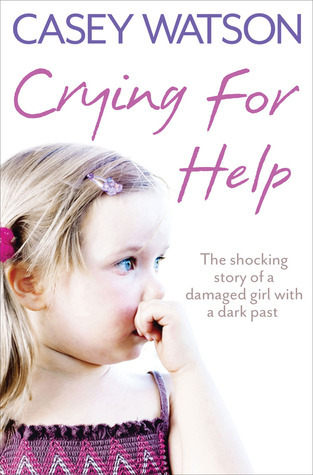
Crying for Help: The Shocking True Story of a Damaged Girl with a Dark Past
Book Description
A haunted girl arrives at the doorstep of hope, but her past looms large and menacing. In "Crying for Help," Casey Watson exposes a chilling journey through betrayal, survival, and the fight for redemption. As the layers of trauma are peeled away, shocking revelations threaten to upend the fragile bonds formed along the way. Each twist unveils the heartbreaking reality of resilience in the face of darkness, leaving readers breathless and desperate for answers. Can the strength of love and compassion be enough to heal the scars of a tragic past, or will they be forever trapped in a cycle of pain?
Quick Book Summary
"Crying for Help" by Casey Watson is a gripping true story chronicling the author's experience as a foster carer when she welcomes a deeply troubled girl named Cynthia into her home. Scarred by a history of abuse, neglect, and mistrust, Cynthia arrives angry, secretive, and isolated, desperately in need of care yet afraid to accept it. Casey and her family must unravel the layers of Cynthia's trauma, navigating recurrent behavioral challenges and the psychological aftershocks of her damaged past. Throughout the memoir, Watson exposes both the challenges and deep rewards of fostering, showing how the power of love, patience, and resilience can begin to heal even the most wounded souls. The story is a testament to the importance of understanding, compassion, and never giving up hope in the face of overwhelming darkness.



Summary of Key Ideas
Table of Contents
The Impact of Childhood Trauma
Cynthia's arrival at Casey Watson's home is marked by defiance, suspicion, and deep mistrust. Cynical about adults and resistant to help, she displays behaviors ranging from aggression to withdrawal, keeping her foster family at arm's length. The book immediately immerses readers in the emotional turbulence and unpredictable dynamics that foster carers confront when working with abused children. Watson captures Cynthia's pain—echoes of the past that manifest in every interaction—reminding us that trauma leaves scars not always visible to the naked eye.
Challenges of Fostering Troubled Children
As Casey digs deeper, more details of Cynthia's harrowing past come to light. Cynthia’s childhood was marred by neglect, violence, and betrayal, leaving her emotionally stunted and unable to form healthy attachments. The narrative explores the complexities of trauma and how abuse disrupts a child’s development and worldview. The author skillfully balances empathy for Cynthia with honest accounts of the frustration and setbacks experienced by both carer and child, underlining the long, non-linear road to trust and recovery.
Breaking the Cycle of Abuse
Watson also exposes the unique difficulties foster carers face, including the limitations of the system and the emotional toll on carers and their families. Cynthia’s unpredictable mood swings and destructive behaviors put a strain on the household, testing the family’s patience and resolve. This section emphasizes the necessity of patience, understanding, and a refusal to give up when working with deeply wounded children. The book confronts tough questions about society's responsibility to its most vulnerable and the real challenges foster families endure.
Role of Unconditional Support and Patience
Over time, small but significant breakthroughs begin to emerge. Through unwavering support and gentle persistence, Casey begins to earn Cynthia’s trust—moments of vulnerability and honesty replace walls of anger. These incremental victories demonstrate the transformative power of consistent compassion. Cynthia’s journey remains fraught with setbacks, yet glimpses of hope shine through, showing that healing is possible even after the darkest experience.
Pathways to Healing and Redemption
The memoir concludes by highlighting not just Cynthia’s progression, but also the growth of those around her. Watson’s narrative drives home the idea that, though the road to healing is long and often painful, hope and unconditional love can disrupt even the most entrenched cycles of abuse. "Crying for Help" ultimately stands as a powerful testimony to both the immense challenges and the extraordinary possibilities that fostering brings for children and carers alike.
Download This Summary
Get a free PDF of this summary instantly — no email required.