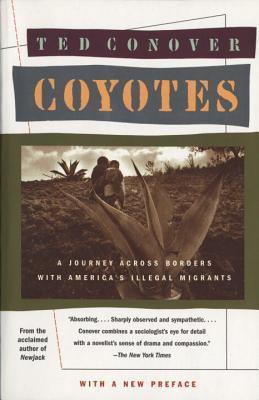
Coyotes: A Journey Across Borders With America's Mexican Migrants
Book Description
Crossing deserts and dodging danger, a group of hopeful migrants embarks on a perilous journey toward the American dream. Ted Conover immerses himself in their world, shadowing the coyotes—smugglers who navigate treacherous terrain and moral gray areas to guide them across borders. Each step unfolds gripping tales of desperation, resilience, and the pursuit of a life free from fear. As the stakes rise and the lines blur between right and wrong, what sacrifices will they make for a chance at a new beginning? Discover the human stories behind the headlines—are they criminals or the embodiment of hope?
Quick Book Summary
Coyotes: A Journey Across Borders With America's Mexican Migrants is Ted Conover's immersive account of the plight and resilience of Mexican migrants who risk their lives crossing into the United States. To truly understand their experiences, Conover travels with them, living among the communities that depend on the American border for survival. By shadowing the "coyotes"—smugglers who guide migrants through perilous and clandestine routes—Conover sheds light on the moral ambiguities and desperation of all those caught in the struggle for a better life. Along the way, he explores the motivations, hardships, and unwavering hope that propel people to risk everything for a chance at the American dream. Providing moving portraits and honest reporting, Conover's book dismantles stereotypes, humanizing those who often go unseen in wider political debates.



Summary of Key Ideas
Table of Contents
The Human Cost and Motivation Behind Migration
Ted Conover embarks on a unique journey by embedding himself with Mexican migrants determined to cross into the United States. Driven by poverty, violence, or the hope for a better future, these individuals and families undertake hazardous journeys, facing isolation, harsh terrain, and constant fear. Conover’s firsthand perspective allows readers to empathize with the human motivations behind migration, moving past statistics to reveal dreams, anxieties, and familial bonds.
Moral Complexity of Coyotes and Smuggling
Throughout the narrative, Conover investigates the world of coyotes—smugglers who function as both guides and gatekeepers. These figures often occupy morally ambiguous spaces, sometimes displaying compassion and sometimes ruthlessly exploiting vulnerable migrants. The book examines how necessity, desperation, and opportunity shape the actions not only of migrants but also of those who profit from their risk, revealing a system propped up by intertwined moral and economic interests.
Border Perils and Survival
The peril of crossing the border is ever-present. Migrants must endure grueling days and nights in the desert, evade law enforcement, and trust strangers with their lives. Conover recounts their struggles with hunger, thirst, exhaustion, and the omnipresent threat of betrayal or arrest. The physical and psychological tolls are immense, and many do not make it to their intended destination. These stories underscore the razor-thin margins between survival and tragedy.
Life on Both Sides of the Border
Conover also delves into life on both sides of the border, exposing the contrasts and connections that shape the lived realities of migrants. In Mexico, he witnesses the limited economic opportunities and social pressures that drive people northward, while in the U.S., he explores the difficult conditions faced by undocumented workers. These dual perspectives offer a nuanced understanding of the migration phenomenon as shaped by interdependent communities and policies.
Challenging Stereotypes and Policy Implications
By weaving together intimate portraits and critical analysis, Coyotes challenges simplistic narratives about immigrants and smugglers. Conover highlights the complexity and humanity at the heart of migration, pushing readers to rethink prejudices and consider the broader implications of U.S. immigration policy. His blend of memoir and investigative reporting provides a vital, empathetic account that brings the stories of "America’s Mexican migrants" out of the shadows.
Download This Summary
Get a free PDF of this summary instantly — no email required.