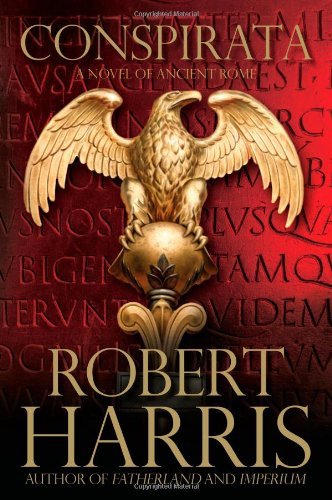
Conspirata
Book Description
A Roman republic on the brink of collapse—power plays, secret alliances, and an assassination that shakes the very foundations of a nation. As Cicero battles corrupt politicians and hidden enemies, loyalty is a luxury, and betrayal is imminent. The stakes soar as he navigates a treacherous landscape filled with ambition and treachery. Every choice could lead to glory or ruin, and every ally may become a foe. In a world where ideals clash with survival, can one voice withstand the chaos and fight for justice? Amid intrigue and danger, what sacrifices will Cicero make to save the Republic?
Quick Book Summary
Conspirata, the gripping sequel to Robert Harris's Imperium, follows Cicero during his turbulent consulship and the fraught aftermath. As Rome trembles on the edge of anarchy, Cicero, famed orator and lawyer, faces the explosive Catiline Conspiracy, exposing plots that threaten the very foundations of the Republic. Navigating through corruption, manipulation, and the ambitions of political rivals like Julius Caesar and Crassus, Cicero’s moral convictions are tested as he struggles to uphold republican ideals against a tide of self-serving power seekers. Friendships and alliances crumble, trust is scarce, and the line between heroism and downfall blurs. Harris masterfully combines thriller pacing with profound historical insight, examining themes of integrity, compromise, and the cost of leadership in a system under siege.


Summary of Key Ideas
Table of Contents
The Struggle for Republican Ideals
The story opens in Rome at a time of escalating unrest and uncertainty. Cicero, now consul, stands at the apex of his political career yet faces both open hostility and covert machinations. As he seeks to steer the Republic through peril, Rome seethes with social discontent, and Cicero’s position is anything but secure. The narrative centers on the Catiline Conspiracy—a real historical coup attempt. Cicero’s detection and decisive action expose the conspirators, earning both public acclaim and lasting enemies. Through the eyes of Tiro, his loyal secretary, readers experience the mounting dangers and political undercurrents that swirl through the Senate.
Betrayal and Shifting Alliances
Personal and political betrayals loom large as Cicero finds alliances crumbling. Julius Caesar, Crassus, and Pompey maneuver for their own advantage, while the loyalties of friends like Cato and Brutus are tested. Cicero must constantly weigh whom he can trust, making calculated decisions that blur the lines between right and wrong. The psychological complexity of each character comes to the fore, highlighting the unpredictable nature of power and the ease with which today’s ally becomes tomorrow’s threat.
Political Intrigue and Power Plays
The atmosphere in Rome is thick with intrigue—secret meetings in shadowy courtyards, public debates that mask deeper plots, and whispered rumors that can destroy reputations overnight. Cicero is compelled to play a dangerous political game, treading carefully among rival factions. He uses his rhetorical skills masterfully to sway public opinion, but rhetorical victories often come at a personal cost. Every speech, every legal maneuver, is fraught with peril, and mistakes can be fatal—not just to his ambitions, but to the Republic itself.
Moral Compromise and Personal Sacrifice
As the weight of office bears down on him, Cicero is forced into acts that test his values and integrity. The need for swift, ruthless action to save the state sometimes conflicts with his broader ideals. Cicero’s decision to execute the conspirators without trial illustrates his willingness to bend—or break—the rules for the greater good. His personal sacrifices and inner turmoil reveal the heavy burden of leadership, and the agonizing choices faced by those in power.
The Fragility of Democracy
In the end, Cicero’s temporary triumphs cannot stem the tide of change or forestall the Republic’s decline. The book closes with the sense that the ideals for which Cicero fights are fragile and easily subverted by ambition and fear. Through vivid prose and rich historical detail, Harris shows the perilous balance between duty, survival, and justice in a Rome inching toward tyranny. Conspirata resonates as both a thriller and a cautionary tale about leadership, legacy, and the vulnerability of democracy.
Download This Summary
Get a free PDF of this summary instantly — no email required.