
Common Sense, The Rights of Man and Other Essential Writings
Book Description
Revolution brews in the streets, and one voice rises above the chaos. Thomas Paine's 'Common Sense, The Rights of Man and Other Essential Writings' ignites a flame of liberty and justice that ripples through the hearts of nations. With unyielding passion, he challenges the tyranny of kings and champions the inalienable rights of individuals. Each essay builds a tense crescendo, daring humanity to break free from oppression and envision a new world. Will the power of words be enough to spark change? Discover the fervor of a mind that shaped history and resounded through the ages.
Quick Book Summary
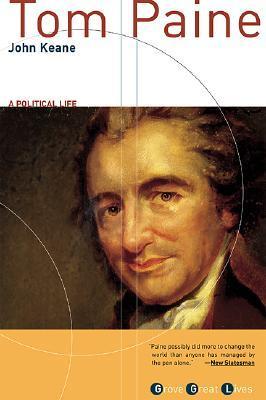
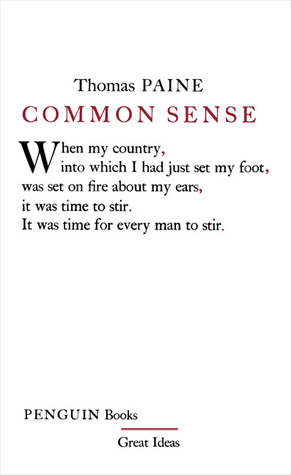
Thomas Paine’s "Common Sense, The Rights of Man and Other Essential Writings" assembles some of the most powerful and influential essays from one of history’s greatest political thinkers. Paine’s writings were instrumental in shaping the philosophical underpinnings of the American and French Revolutions, vehemently opposing monarchies and hereditary rule. Through clear, forceful prose, Paine champions the natural rights of individuals—life, liberty, and equality—and calls for governments that derive their authority from the consent of the governed. Each essay, from "Common Sense" to "The Rights of Man," builds a passionate case for enlightenment principles, self-governance, and resistance against tyranny. Paine’s work is a timeless call to question authority, challenge injustice, and fight for universal freedom and human dignity.



Summary of Key Ideas
Table of Contents
The Case Against Hereditary Monarchy and Tyranny
Paine’s writings begin by dismantling the notion of hereditary monarchy, arguing that kingship is an unnatural and unjust institution that perpetuates oppression. He asserts that societies should not be ruled by accident of birth but by systems based on rational laws chosen by the people. Through pointed critique of existing governments, Paine sets the stage for transformative change and revolutionary thought.
Natural Rights and the Foundations of Government
Central to Paine’s philosophy is the assertion of inalienable rights—freedoms intrinsic to every person by virtue of being human. He posits that legitimate government must be built on the protection and preservation of these rights. Drawing from Enlightenment figures, Paine highlights the social contract, where authority flows from the collective agreement of the people, not from divine or hereditary right. Governments exist to secure liberties, and when they fail, people have the right—and duty—to reform or abolish them.
Revolution as a Moral Imperative
Paine makes a fervent case for revolution when governance strays from reason, justice, and the common good. In both "Common Sense" and "The Rights of Man," he positions revolution not as chaos, but as a necessary response to tyranny. He describes revolution as a moral and practical obligation to resist unjust rulers and to reshape institutions that have lost legitimacy. For Paine, revolutionary action is rooted in hope for a freer, more equitable world.
The Power and Responsibility of the People
Empowering ordinary people is a consistent theme in Paine’s essays. He expresses faith in the collective wisdom of the populace, arguing that true political authority rests with the people. Paine insists that government should be accessible, representative, and accountable, driven by the needs and will of its citizens. Civic participation is presented as a moral responsibility and the cornerstone of a just society.
Universal Liberty and Social Justice
Paine’s vision extends beyond the immediate struggles of his era, advocating for the universal application of liberty and justice. He speaks to social reforms such as welfare, equality before the law, and the abolition of poverty. His later writings underscore the importance of solidarity and compassion in public policy, laying foundations for later democratic and human rights movements. Through this enduring work, Paine exhorts readers to envision—and construct—a more just and humane society for all.
Download This Summary
Get a free PDF of this summary instantly — no email required.