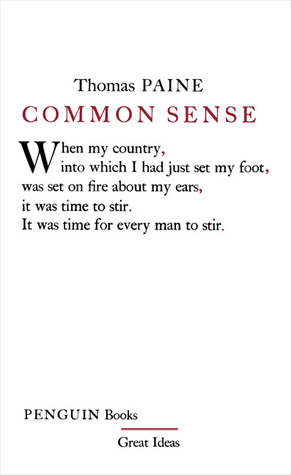
Common Sense
Book Description
Revolution brews on the horizon, igniting hearts and minds across a weary land. "Common Sense" emerges as a fiery manifesto, casting aside the chains of tyranny with unrelenting clarity. Thomas Paine challenges the status quo, igniting a passionate plea for independence that resonates with every oppressed soul. Each page crackles with urgency, urging a break from the past and a bold leap into self-governance. Tension mounts as notions of freedom and equality clash with centuries of tradition. Will the spirit of revolution prevail, or will fear silence the call for justice? Discover the power of ideas that changed the world forever.
Quick Book Summary
Thomas Paine's "Common Sense" is a powerful political pamphlet that galvanized the American colonists to pursue independence from British rule. Written in a direct and compelling style, Paine argues against monarchy and hereditary succession, exposing the inherent flaws and injustices of British governance. He calls for the creation of a representative government that upholds the rights and liberties of individuals. Through passionate logic and moral appeal, Paine presents a pragmatic roadmap for breaking away from oppressive traditions and establishing a new social order built on equality and freedom. "Common Sense" not only critiques the status quo but also inspires collective action, making it a foundational text for the birth of American democracy.




Summary of Key Ideas
Table of Contents
Critique of Monarchy and Hereditary Rule
Thomas Paine begins by dissecting the nature of government and society, explaining their distinct roles in human life. While society is a force for good, bringing people together for mutual benefit, Paine considers government a necessary evil—designed only to curtail vice and protect life and property. He focuses his early arguments on breaking down the legitimacy of monarchies, particularly challenging the British system of hereditary succession, which he views as unnatural and unjust.
Arguments for American Independence
Paine turns his attention to the specific grievances of the American colonies under British rule. He emphasizes the absurdity of a distant island ruling a large continent and details the various oppressions and injustices faced by the colonists, from economic exploitation to political subjugation. Paine highlights that Britain's interests are self-serving and often conflict with those of the colonies, ultimately making continued union untenable.
Dangers of Continued British Rule
As he builds his case for independence, Paine warns of the dangers that come with continued allegiance to Britain. He highlights the risks of being entangled in British wars and the perpetual threat of tyranny. Remaining under British rule, he asserts, only invites further hardship and violence. Paine’s logic and moral urgency paint independence as not only desirable but necessary for the safety and prosperity of future generations.
Vision for a New Government
Moving beyond critique, Paine offers a visionary blueprint for a new political system based on democracy and representation. He proposes a model for a continental congress—a body chosen by the people—to draft a charter of rights and govern collectively. His call to establish a government rooted in the will of the governed resonates as a radical yet practical answer to tyranny, presenting independence as an achievable and just alternative.
The Power of Public Opinion
Throughout "Common Sense," Paine harnesses the power of plain language and rhetorical passion to reach a broad audience, transforming public opinion. He implores everyday colonists to cast off fear and imagine a future defined by liberty and equality. The pamphlet's wide accessibility and stirring argumentation helped unite disparate colonial voices, channeling the spirit of revolution into a determined movement for American independence.
Download This Summary
Get a free PDF of this summary instantly — no email required.