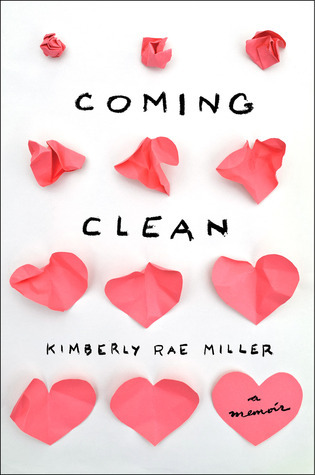
Coming Clean
Book Description
Buried beneath layers of chaos and clutter lies a secret so powerful it could shatter a family. In "Coming Clean," Kimberly Rae Miller peels back the façade of her seemingly normal childhood to reveal the unsettling truth of growing up in a hoarded home. This gripping memoir navigates the turbulent waters of love, loss, and the haunting grip of mental illness, drawing readers into a visceral world where every item tells a story—and every memory is a battle. As the dust settles, will the fight for clarity lead to healing or heartbreak?
Quick Book Summary
"Coming Clean" is a powerful memoir by Kimberly Rae Miller that uncovers the emotional intricacies of growing up in a home consumed by hoarding. Miller details her childhood spent surrounded by piles of clutter and the psychological weight of her family's secret. The book explores the lasting effects of parental mental illness, specifically her father's compulsive hoarding and her mother's denial. As Miller navigates adolescence and adulthood, she grapples with shame, secrecy, and the longing for a normal life. By exposing the chaos of her upbringing, she embarks on a journey of self-awareness and healing, reflecting on the enduring bonds of family and the difficult path toward acceptance. "Coming Clean" offers an honest look at the challenges of loving someone with a mental disorder and the inner strength required to break free from a legacy of dysfunction.






Summary of Key Ideas
Table of Contents
The Emotional Toll of Hoarding
Kimberly Rae Miller’s memoir centers on her experience growing up with parents, especially a father, who struggle with compulsive hoarding. Miller’s early life is marked by the tension between the outward appearance of her family and the reality inside their home. Surrounded by mountains of clutter and unusable space, she develops a sense of shame, anxiety, and hyper-vigilance, always worried that others might discover her family’s secret. This fear isolates her, and she learns to hide her private reality from friends, teachers, and neighbors, creating a double life that strains her emotional well-being.
Living with Family Secrets
Beneath the physical clutter lies the challenge of understanding and loving her parents while coming to terms with their illness. Miller explores her father’s intense emotional attachment to objects and her mother’s cycles of enabling and denial. Despite her frustration and embarrassment, she conveys empathy for her parents, recognizing hoarding as a form of mental illness. The book highlights the generational transmission of trauma and the deeply rooted sense of responsibility children often feel in dysfunctional families.
The Struggle for Normalcy and Acceptance
As Miller transitions into adulthood, she strives to distance herself from her past. Determined not to replicate her childhood, she is hyper-organized and obsessive about tidiness in her own life. Yet, the chaos she left behind never entirely releases its hold. Returning home for periodic clean-ups, she confronts the near-impossibility of permanent change and the emotional cost of her family’s condition. This ongoing struggle illustrates the persistent grip of familial patterns and the difficulty of breaking free.
Healing Through Honesty and Self-Discovery
Opening up about her upbringing is both terrifying and liberating for Miller. She describes the catharsis that comes with honesty—first with close friends, then publicly through her writing. This process enables her to challenge shame and redefine her sense of self. By sharing her story, Miller also creates connections with others who have lived in or loved someone trapped by hoarding, addressing the isolation often experienced by those touched by mental illness.
Ultimately, "Coming Clean" is a personal and poignant meditation on healing. Miller’s journey demonstrates that confronting the truth about one’s past is the first step toward reclaiming agency and forging healthier relationships. The memoir ends on a hopeful note, with Miller acknowledging that while the scars of childhood remain, self-acceptance and compassion—for herself and her parents—allow her to move forward and build a life unencumbered by secrecy.
Download This Summary
Get a free PDF of this summary instantly — no email required.