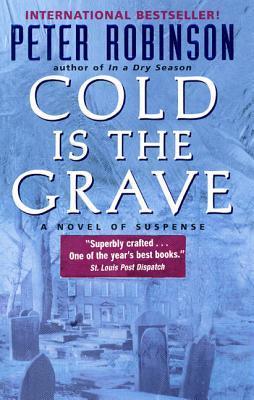
Cold is the Grave
Book Description
A chilling secret lies buried, waiting to be unearthed. When Detective Chief Inspector Alan Banks is called to investigate a missing person case, what begins as a standard inquiry spirals into a labyrinth of deception and betrayal. As he delves deeper into the shadows of a small Yorkshire community, Banks uncovers a tangled web of dark relationships and long-held grudges that threaten to shatter everything he knows. With time running out and danger lurking at every turn, can he unravel the truth before it becomes his own undoing? What happens when the quest for justice leads to a confrontation with the past?
Quick Book Summary
"Cold is the Grave" by Peter Robinson is a nuanced detective novel featuring DCI Alan Banks, who is tasked with finding the missing daughter of his superior, Chief Constable Riddle. Initially, the case appears straightforward—a runaway rebellious teenager—but as Banks tracks her across London and back to Yorkshire, he becomes ensnared in a deeper, far-reaching mystery involving murder, drugs, and dark secrets from the past. The investigation forces Banks to confront ethical ambiguities, challenge his loyalties, and navigate personal and professional betrayals. Atmospheric and suspenseful, the story explores the impact of secrets within families and communities, ultimately testing Banks’s resolve as he aims to bring justice while grappling with the shadows cast by history and the personal costs of uncovering the truth.




Summary of Key Ideas
Table of Contents
The Cost of Keeping Secrets
Detective Chief Inspector Alan Banks is approached by his boss, Chief Constable Riddle, with a personal plea: to find his estranged teenage daughter, Emily, who has disappeared from home. As Banks delicately handles the sensitive situation, he uncovers clues that Emily may have fallen in with dangerous people in London. What seems like a routine missing person investigation soon tangles into a larger web of crime, raising the stakes both professionally and personally for Banks as he tries to protect the vulnerable girl and preserve trust with his superior.
Complex Family Dynamics and Loyalty
The search for Emily exposes fraying family bonds and hidden pain within the Riddle family. Banks must navigate the delicate terrain of interrogating his boss's private life, revealing not only the struggles of parenthood and generational divides but also the lingering effects of past decisions. As Banks interviews friends, family, and acquaintances, he pieces together how unresolved resentments and secrets can drive people to desperation, betrayal, and risky choices.
Moral Ambiguity in Law Enforcement
Banks’s investigation reveals a chilling chain of events involving murder, underage prostitution, drugs, and revenge, deeply rooted in the past. These revelations force Banks to reassess the ethics of his colleagues and question the moral gray areas of police work. The lines between right and wrong blur, and Banks is compelled to make difficult choices—sometimes bending rules in pursuit of a greater good, while risking his career and personal relationships in the process.
The Shadows of Past Mistakes
The small Yorkshire setting amplifies the psychological tension, turning the familiar landscape into a claustrophobic stage where everyone harbors secrets. As word spreads, old grudges and hidden liaisons emerge, and it becomes clear that the past never stays buried for long. Robinson skillfully uses the village atmosphere to amplify suspense and showcase how tight-knit communities can both shield and expose wrongdoing.
Small Towns as Breeding Grounds for Suspense
In the race to save Emily and resolve the currents of violence threatening the community, Banks confronts his own vulnerabilities and the limitations of justice. The truth, when it finally emerges, forces reckonings for everyone involved and leaves Banks reflecting on the perilous balance between duty and empathy. “Cold is the Grave” closes with the understanding that some wounds never fully heal, and that the pursuit of justice can come at immense personal cost.
Download This Summary
Get a free PDF of this summary instantly — no email required.