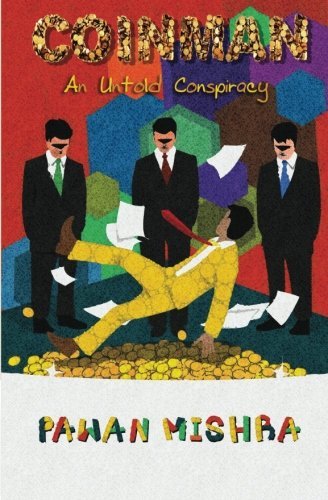
Coinman: An Untold Conspiracy
Book Description
In a world where currency and trust collide, one man’s obsession with a mysterious coin unravels a sinister conspiracy that threatens to shatter lives. As he is pulled deeper into a web of deceit and betrayal, friendships are tested, and shocking secrets emerge, leading to a relentless pursuit for truth. Alliances shift and the stakes escalate with each twist, challenging everything he thought he knew. Heart-pounding suspense intertwines with raw emotional struggles as he fights to reclaim his identity and save those he loves. Will he expose the hidden forces at play, or will he become another pawn in a deadly game?
Quick Book Summary
Coinman: An Untold Conspiracy follows the quirky protagonist, Coinman, whose unusual obsession with coins sets him apart in a small-town Indian office. His eccentricity becomes the center of workplace humor, misunderstanding, and ultimately, malicious scheming. As Coinman's harmless idiosyncrasy draws unwanted attention, colleagues form alliances and rivalries, turning an ordinary office into a microcosm of societal satire. Through escalating pranks, rumors, and conspiracies, the novel explores themes of individuality, conformity, and the fine line between innocence and suspicion. When a shadowy plot unfolds, Coinman must navigate betrayal, social alienation, and the struggle to maintain identity in a world quick to judge the unconventional. With wit and dark humor, Pawan Mishra crafts both a suspenseful and absurd tale exposing the vulnerabilities of perceived outsiders.






Summary of Key Ideas
Table of Contents
The Struggle of Individuality in Conformist Spaces
The story centers on Coinman, an awkward and eccentric office worker in an unnamed Indian town, whose bizarre habit of fondling coins becomes his defining trait. His innocence and singularity make him an object of curiosity and ridicule among his coworkers. Coinman's inability to conform to expected social norms leads to increasing isolation, as those around him find his quirks both amusing and suspicious. The author uses Coinman’s oddities as an entry point to satirize the pressures to conform within a tightly knit social environment, demonstrating how difference is often met with skepticism or outright hostility.
Workplace Power Dynamics and Social Politics
As Coinman's idiosyncrasy becomes a talking point in the office, colleagues begin maneuvering for influence and recognition by targeting him. The office transforms into a battleground of pranks, whispered gossip, and subtle power plays designed to undermine both Coinman and each other. What starts as benign mockery gradually mutates into an insidious conspiracy. Coinman unwittingly becomes the focus of a brewing storm, revealing the undercurrents of jealousy, ambition, and manipulation that pervade the mundane routines of organizational life.
The Nature and Cost of Obsession
The story also delves into the personal costs of obsession—both Coinman’s fixation with coins and that of those conspiring against him. His habit, intended as a harmless expression of comfort or ritual, is magnified by others into a sign of ulterior motives or mental instability. This misinterpretation leads not only to escalating workplace shenanigans but also to deeply personal consequences, as Coinman’s relationships fracture and paranoia grows. The book deftly uses these developments to probe broader questions about the price individuals pay for straying from societal expectations.
Satire of Small-town Indian Life
Amidst this chaotic environment, the novel paints a satirical portrait of small-town Indian life: the pettiness, the resourcefulness, and the ways communal bonds can morph into collective isolation or aggression towards outsiders. Woven through the humor and absurdity is a poignant critique of how communities often close ranks to protect the status quo, with those deviating from the norm becoming subjects of suspicion. Through Coinman’s plight, the story reflects on the universal human condition of craving acceptance yet struggling with individuality.
Trust, Betrayal, and the Quest for Identity
As the supposed conspiracy reaches its climax, Coinman’s journey transforms into one of self-discovery and resilience. The intricate social web tightens, and the lines between victim and perpetrator blur. Trust is betrayed and hard-won, and Coinman confronts not only external adversaries but also his own self-doubt. In the relentless quest for truth and vindication, the novel leaves readers questioning who the real conspirators are and what it truly means to be different in a world that prizes conformity.
Download This Summary
Get a free PDF of this summary instantly — no email required.