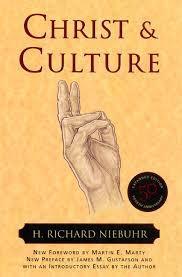
Christ and Culture
Book Description
Two worlds collide as faith meets modernity in "Christ and Culture." H. Richard Niebuhr takes readers on an intellectual journey through the diverse responses of Christianity to an ever-changing society. From the embrace of culture to the defiance against it, explore how believers navigate the mosaic of life with conviction and complexity. Each perspective offers exhilarating insights and moral dilemmas that resonate today. As the tension between sacred and secular escalates, one question lingers: Can faith truly thrive in a world that often denies its power?
Quick Book Summary
"Christ and Culture" by H. Richard Niebuhr analyzes the complex relationship between Christian faith and human society. Niebuhr identifies five distinct paradigms that Christians have historically adopted when engaging with culture, ranging from outright opposition to complete assimilation. The book examines the theological, ethical, and philosophical underpinnings of each model, exploring how they manifest in real-world situations as believers confront political, social, and moral challenges. Niebuhr’s framework encourages readers to appreciate the diversity of Christian responses rather than insisting on a single approach. His nuanced analysis challenges believers to reflect deeply on their own engagement with cultural norms, values, and movements, making the book a seminal work in both theology and cultural studies.



Summary of Key Ideas
Table of Contents
Five Paradigms of Christian Engagement with Culture
Niebuhr’s work opens by framing the perennial conflict and dialogue between Christ and culture throughout history. He argues that Christians have never universally agreed on the approach to societal values, customs, and institutions. Instead, there is a spectrum of responses that reflect differing theological convictions and historical circumstances. This diversity is not a sign of weakness but evidence of Christianity’s adaptability to various cultural and historical contexts. Niebuhr contends that understanding these diverse perspectives is essential for Christians who aim to engage thoughtfully and authentically with the world around them.
The Enduring Tension Between Faith and Society
Central to Niebuhr’s thesis are five paradigms by which Christians situate themselves in relation to culture: "Christ against Culture" opposes secular society as inherently sinful; "Christ of Culture" seeks harmony and integration with cultural achievements; "Christ above Culture" mediates between divine revelation and human advancement; "Christ and Culture in Paradox" accepts an ongoing, unresolved tension between religious and worldly authorities; and "Christ the Transformer of Culture" seeks to renew and convert culture from within. These models provide a lens through which Christians can evaluate their attitudes, beliefs, and actions in the broader social realm.
The Role of Ethics and Morality in Cultural Involvement
Niebuhr examines how these frameworks shape ethical decision-making and morality. For example, those who adopt the "Christ against Culture" stance may tend toward separationism and a strict moral code, while "Christ and Culture in Paradox" acknowledges the inevitability of compromise in an imperfect world. Each approach carries distinct strengths and pitfalls, suggesting that ethical engagement is complex, multifaceted, and context-sensitive rather than absolute or monolithic. This analysis highlights the importance of self-awareness and critical evaluation in developing an authentic Christian witness.
Examples and Historical Cases of Christian Approaches
Throughout the book, Niebuhr illustrates his paradigms with historical and contemporary examples, from early church martyrs and medieval theologians to Reformation leaders and modern thinkers. These cases reveal how cultural, political, and religious pressures have profoundly influenced the way Christians interpret and live out their faith. By situating these responses in their historical context, Niebuhr enables readers to see both the diversity and continuity of the Christian tradition as it meets the challenges of new eras.
The Call for Critical Reflection and Discerning Engagement
In concluding, Niebuhr calls for ongoing reflection and discernment in how Christians relate to culture. He warns against adopting any position uncritically, emphasizing the need to balance fidelity to Christ with responsiveness to contemporary realities. The book does not prescribe a single, timeless solution but rather invites believers to engage in thoughtful dialogue, seeking to honor both their faith and the societies they inhabit. Niebuhr’s work remains a foundational resource for anyone grappling with the intersection of Christianity and culture.
Download This Summary
Get a free PDF of this summary instantly — no email required.