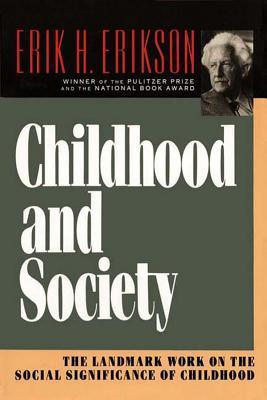
Childhood and Society
Book Description
What shapes the fragile soul of a child? In 'Childhood and Society,' Erik H. Erikson delves deep into the intricacies of human development, unraveling the powerful connections between childhood experiences and lifelong identities. Each phase of growth is a battlefield of emotional challenges, societal expectations, and personal triumphs. With vivid insights and compelling theories, Erikson illuminates how pivotal moments can alter the course of a life. As the layers of identity unfold, one question looms: how do our early years echo through the corridors of our future?
Quick Book Summary
"Childhood and Society" by Erik H. Erikson is a pioneering work that explores the interplay between individual psychological development and cultural forces. Through his groundbreaking theory of psychosocial development, Erikson identifies eight distinct stages that span from infancy to adulthood, each characterized by core conflicts individuals must navigate to build a stable identity. Erikson emphasizes how childhood experiences and social environments intricately shape a person's sense of self, influencing emotional health and behavior throughout life. Drawing from psychoanalysis, sociology, and anthropology, Erikson illustrates these concepts with vivid case studies and cross-cultural examples, critically examining how crises and triumphs in early years echo into adulthood. His insights continue to inform contemporary psychology, education, parenting, and therapy, making it essential reading for understanding human development.


Summary of Key Ideas
Table of Contents
The Eight Stages of Psychosocial Development
Erikson introduces his landmark theory of psychosocial development, proposing that human growth unfolds in eight distinct stages that extend through the lifespan, beginning in infancy and culminating in old age. Each stage presents a core conflict or crisis—such as trust versus mistrust, autonomy versus shame, or identity versus role confusion—that individuals must resolve to develop healthy psychological traits. These developmental tasks are crucial, as successful navigation fosters virtues like hope, will, and fidelity, while failure can lead to emotional difficulties and hinder personal growth.
Identity Formation and Crisis
Drawing on psychoanalytic traditions and cultural anthropology, Erikson highlights that childhood is not experienced in isolation, but is deeply shaped by social institutions, family dynamics, and cultural traditions. He demonstrates how the attitudes and expectations of caregivers, communities, and schools can affect a child’s emerging sense of self, shaping their trust, independence, and competence. By examining diverse communities, such as the Sioux and Yurok peoples, Erikson shows that societal structures imprint unique values and behaviors during the formative years.
The Role of Culture in Shaping Childhood
A core concept in the book is Erikson's exploration of identity formation, particularly during adolescence. He describes how young people confront the challenge of forging a coherent sense of self in the face of changing social roles, peer pressures, and internal uncertainties—a period he calls the “identity crisis.” Erikson argues that this process is both intensely personal and socially mediated, with successful resolution laying the groundwork for adulthood, intimacy, and societal contribution.
The Impact of Childhood Experiences on Lifelong Development
Erikson’s analysis extends to the lasting impact of childhood experiences, suggesting that early resolutions or failures to resolve psychosocial crises echo across the lifespan. Experiences of support, autonomy, or guilt in early stages can color adult relationships, work, and self-perception. Using compelling case studies, he illustrates how unresolved conflicts can resurface in new forms, while positive resolutions empower individuals to adapt creatively to new challenges.
Interplay Between Individual Growth and Societal Expectations
Finally, Erikson contends that personal growth is inseparably linked with the historical and cultural context. Societies both constrain and enable development through their customs, expectations, and support systems. Erikson posits that understanding a child’s development requires attention to these broader forces, as they can either foster resilience and autonomy or instill insecurity and conformity. "Childhood and Society" thus forms a bridge between psychology and social science, underscoring the embeddedness of individual lives within their cultural milieu.
Download This Summary
Get a free PDF of this summary instantly — no email required.