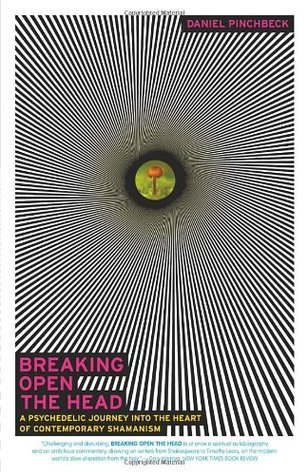
Breaking Open the Head: A Psychedelic Journey into the Heart of Contemporary Shamanism
Book Description
Dare to plunge into a world where ancient wisdom collides with modern consciousness? Daniel Pinchbeck embarks on an electrifying expedition through the heart of contemporary shamanism, guided by visionary experiences that challenge the very fabric of reality. From vibrant ayahuasca ceremonies in the Amazon rainforest to encounters with eccentric spiritual seekers, each page pulses with urgency and insight. Delve into the mysteries that connect humanity to the cosmos, unlocking the power of psychedelics in a search for healing and enlightenment. What revelations will be unearthed when the mind breaks free from its confines?
Quick Book Summary
"Breaking Open the Head" by Daniel Pinchbeck is a deeply personal and investigative journey into the world of psychedelic substances and their role in contemporary shamanism. Pinchbeck, once a skeptical journalist, undergoes a profound transformation as he explores the psychological, spiritual, and cultural impact of psychedelic experiences. Through participation in sacred ceremonies with indigenous tribes, and encounters with modern psychonauts, he confronts the limitations of Western rationality and the potential of altered states to expand consciousness. The book weaves together memoir, anthropology, history, and philosophy, addressing the stigma around psychedelics while questioning mainstream narratives about reality, spirituality, and healing. By breaking open his own worldview, Pinchbeck offers readers insight into the power and potential risks of these powerful tools.




Summary of Key Ideas
Table of Contents
Personal Transformation Through Psychedelics
Daniel Pinchbeck begins his journey as a skeptic rooted in Western rational thought, but finds himself drawn to the world of psychedelics after a personal existential crisis. Through meticulously detailed accounts, Pinchbeck explores substances such as psilocybin, LSD, iboga, and ayahuasca, experiencing firsthand the profound and sometimes unsettling effects they produce on consciousness. These early experiences shatter his assumptions about the nature of the mind, prompting deeper questions about identity, perception, and the limits of ordinary reality.
Encountering Indigenous Shamanic Traditions
Through immersive participation in rituals with indigenous tribes—most notably the Bwiti of Gabon and the Secoya in the Amazon—Pinchbeck offers intimate portrayals of traditional shamanistic practice. These ceremonies, centered around powerful psychoactive plants like iboga and ayahuasca, illustrate a radically different worldview. Pinchbeck documents both the healing rituals themselves and the cosmological beliefs that support them, revealing how indigenous societies use these substances for community cohesion, spiritual insight, and healing, rather than escapism.
Critique of Western Rationalism and Materialism
Pinchbeck critically examines the limitations of Western rationalism, materialism, and the reductionist approach to consciousness. He argues that the dismissal of psychedelic experience by mainstream science and culture reflects a narrow understanding of reality. The book investigates the history of psychedelic use in the West, from their vilification and prohibition to their revival in the counterculture and scientific communities. Pinchbeck contends that these substances illuminate aspects of the psyche and universe that conventional paradigms neglect or outright reject.
The Healing and Ecological Potential of Psychedelics
Emerging from his own transformative experiences and his ethnographic research, Pinchbeck considers the healing and ecological potential of psychedelics. He collects stories of personal healing, addiction treatment, and trauma resolution that challenge dominant psychiatric models. Furthermore, Pinchbeck links the spiritual awareness fostered by psychedelics with the urgent need for ecological sustainability, positioning them as catalysts for a more harmonious relationship with nature if approached respectfully and ritually.
The Search for Spiritual Meaning in Modernity
Ultimately, "Breaking Open the Head" is both a narrative of personal awakening and a call for a broader spiritual re-engagement in modern society. Pinchbeck explores how psychedelics can reconnect alienated individuals with deeper layers of meaning, community, and purpose. He grapples with the risks and controversies around their use, arguing for a more nuanced, respectful integration of these ancient medicines into contemporary culture. The book leaves readers questioning the accepted boundaries of consciousness and the possibility of a renewed spiritual path in a secular world.
Download This Summary
Get a free PDF of this summary instantly — no email required.