
Brave
Book Description
In a world where standing out feels terrifying, goodness comes with its own price. Courageous and conflicted, teenage Penelope grapples with the pressure of fitting in while trying to stay true to herself. Surrounded by friends who seem to thrive on the chaos of middle school, she must navigate shifting loyalties and unspoken rivalries. Each choice has consequences, and one reckless moment could shatter her fragile sense of belonging. As she faces unexpected challenges that test her resolve and redefine bravery, will Penelope find her voice amidst the noise, or will fear silence her forever?
Quick Book Summary
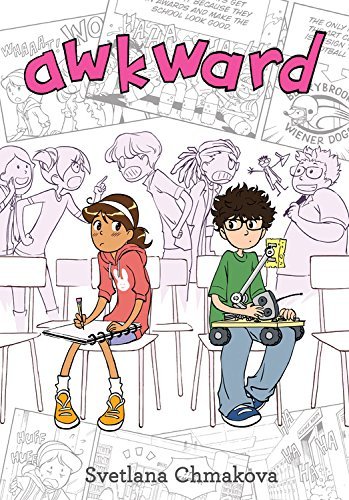
In "Brave" by Svetlana Chmakova, middle schooler Penelope "Peppi" Torres finds herself struggling to navigate the treacherous social landscape of middle school. Feeling pressure to fit in while resisting the urge to betray her own values, Peppi contends with shifting friendships, subtle rivalries, and the ever-present fear of standing out. As she tries to find her place, she faces difficult choices that test her integrity and courage. With the support of unexpected friends and moments of personal strength, Peppi learns to define bravery on her own terms. Chmakova skillfully illustrates the complexities of growing up, underscoring the importance of empathy, self-acceptance, and the courage it takes to be yourself in a world that often demands conformity.





Summary of Key Ideas
Table of Contents
Navigating Social Anxiety and Fitting In
Peppi Torres enters Berrybrook Middle School with a mix of excitement and dread, hoping to fly under the radar and avoid drawing attention to herself. On her first day, a small mistake puts her on the wrong side of the popular kids, instantly making her a target for unwanted attention and whispers. As Peppi struggles with the anxiety of middle school social dynamics, she feels pressured to hide her true personality, believing that fitting in means following the crowd even if it clashes with her values.
The Complexity of Friendships and Loyalty
Friendships in Peppi’s life are a delicate balance. She wants to be accepted, but some relationships seem built on shaky ground. She faces loyalty tests when friends pull her in different directions—sometimes encouraging kindness, other times demanding she ignore or even join in bullying others. Peppi discovers that friendships are more nuanced than she first thought, learning which relationships are worth nurturing and which require the strength to let go.
Facing Bullies and Standing Up for Yourself
The challenge of facing bullies becomes unavoidable. At critical moments, Peppi finds herself a bystander, debating whether to intervene or remain silent for the sake of her own comfort. As bullying escalates, she’s forced to confront her own fears about standing up against the majority. Through both witnessing and experiencing uncomfortable situations, she gains empathy for classmates who are marginalized and quietly struggling, realizing the collective impact of small acts of bravery.
Personal Growth Through Self-Discovery
Over the course of the school year, Peppi’s journey is one of self-discovery. Guided by supportive teachers and unlikely friends, she begins to see the value of embracing her quirks and passions. She finds solace and identity in the school’s art club and learns to accept both her strengths and weaknesses. This inward growth helps Peppi make more authentic choices, even if they come with personal risks or momentarily hinder her social standing.
Redefining Courage in Everyday Life
Through multiple challenges, Peppi ultimately learns that bravery is not just a dramatic act but a quiet, consistent resolve to be true to yourself. Standing up for others, making amends, and setting boundaries are all forms of courage in their own right. Peppi’s story concludes with her finding her voice, not by becoming someone else for approval, but by embracing her uniqueness and leaning on the genuine friends who support her journey. The narrative offers a relatable and inspiring take on what it truly means to be brave at any age.
Download This Summary
Get a free PDF of this summary instantly — no email required.