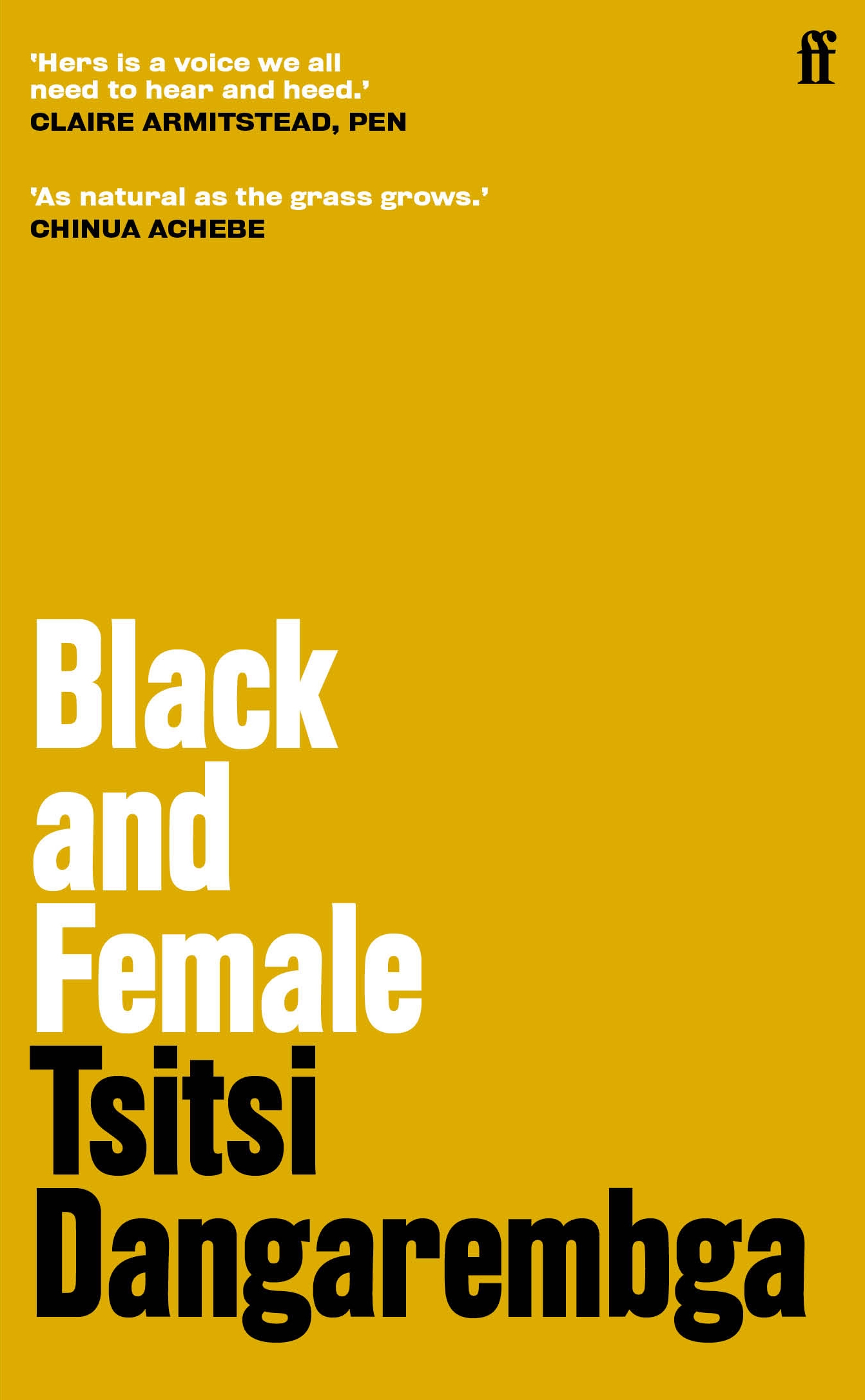
Black and female
Book Description
Unravel the haunting truth where identity collides with systemic oppression. In a world steeped in racial and gendered turmoil, a young Black woman navigates the treacherous waters of society's expectations, grappling with her place and purpose. Love, betrayal, and fierce resilience intertwine, leading to heart-stopping moments that challenge the very fabric of her existence. As friendships shatter and loyalties are tested, every choice carries unimaginable consequences. Can she reclaim her voice and break free from the chains of a prejudiced world? Experience the gripping journey of survival and awakening—will she rise, or will the weight of a divided world consume her?
Quick Book Summary
"Black and Female" by Tsitsi Dangarembga is a penetrating collection of essays exploring the intersection of race, gender, and history in Zimbabwe. Through deeply personal reflections and astute cultural critique, Dangarembga navigates her lived experiences as a Black woman, artist, and activist. The book illuminates the pervasive effects of colonialism and patriarchy, detailing how layers of oppression shape identity, ambition, and agency. With evocative prose, she unpacks the challenges of selfhood in societies marked by trauma, inequality, and social fragmentation. At its heart, the book is a tribute to resilience, chronicling the ongoing struggle to reclaim one's voice and chart a path toward freedom, dignity, and authentic expression. Dangarembga’s testimony resonates well beyond Zimbabwe, speaking powerfully to global experiences of Black womanhood.



Summary of Key Ideas
Table of Contents
The Legacy of Colonialism and Patriarchy
Dangarembga opens her essays by dissecting the persistent shadow of colonialism and entrenched patriarchy in Zimbabwe and Africa more broadly. She recounts how these twin forces have shaped social structures, distorted history, and imprinted traumatic legacies on generations of Black Africans—especially women. By interweaving national and personal histories, Dangarembga demonstrates the insidious ways external powers and social hierarchies dictate boundaries, both real and psychological. Her nuanced analysis reveals that political liberation alone cannot undo the damage or secure true freedom when cultural and gendered subjugation persists.
The Search for Identity and Voice
The search for selfhood emerges as a central theme. Dangarembga candidly examines her journey to define her identity amidst conflicting societal expectations and limited representations of Black femininity. She describes the challenge of forging a voice amidst silence and misrecognition, experiencing both internalized doubts and external barriers. The journey is not just about individual affirmation, but also about imagining new possibilities for Black womanhood that transcend inherited narratives and stereotypes. This quest for authenticity is fraught with pain and risk, yet it is depicted as essential for survival.
Systemic Oppression and Resistance
Throughout the essays, Dangarembga explores the mechanisms of systemic oppression and the strategies of resistance that Black women deploy. She discusses the intersection of race, gender, and class, illustrating how these axes of identity mutually reinforce exclusion and discrimination. Yet, moments of revolt, solidarity, and creative adaptation emerge from even the most constrained circumstances. Whether through collective protest or everyday acts of defiance, Dangarembga highlights the ingenuity and courage required to challenge systems set against Black women.
Art as Survival and Political Expression
Art and storytelling hold a transformative role in Dangarembga’s life and work. She describes writing as both spiritual sustenance and political act—a means of reclaiming narrative control and bearing witness to silenced experiences. The essays reflect on her creative evolution and the broader significance of African women’s voices in literature, cinema, and public discourse. For Dangarembga, art is a form of resistance, offering a space to process trauma, envision healing, and assert agency in societies that often demand conformity or erasure.
Resilience and Reclamation of Dignity
In closing, Dangarembga returns to the theme of resilience—a refusal to be defined by oppression’s weight. She chronicles both her struggles and her triumphs in seeking dignity, belonging, and purpose. The act of surviving, creating, and loving amid adversity is framed as radical and hopeful. Ultimately, Dangarembga’s narrative calls for solidarity and continued struggle, insisting that the reclamation of self and the pursuit of justice are ongoing, collective projects for Black women everywhere.
Download This Summary
Get a free PDF of this summary instantly — no email required.