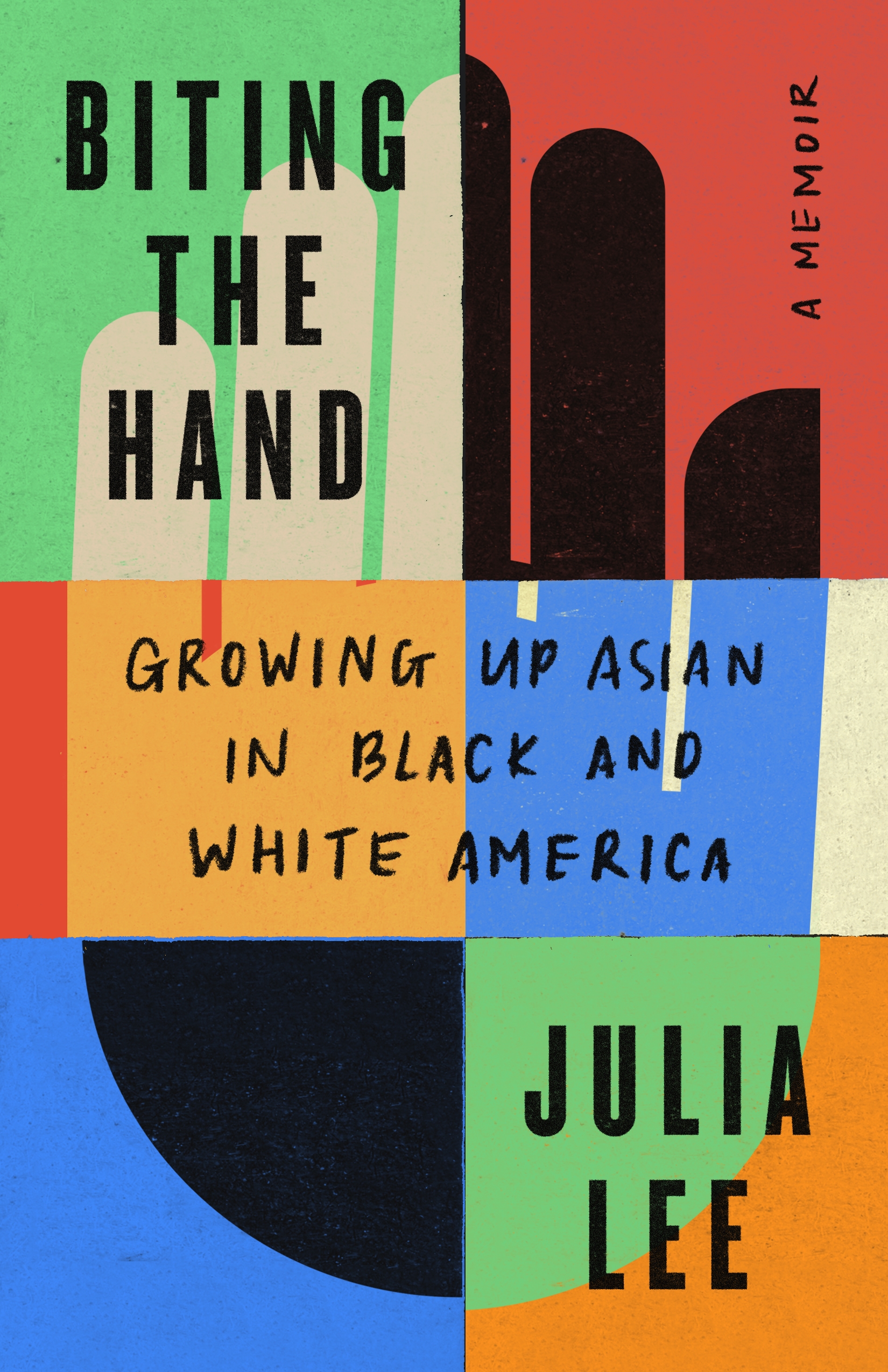
Biting the Hand: Growing Up Asian in Black and White America
Book Description
Caught between cultures, Julia Lee navigates the rugged terrain of her Asian identity in a world painted starkly in black and white. With every story, she unveils the struggle of belonging in a society that often overlooks her truth, grappling with prejudice and acceptance in equal measure. Her experiences pulse with raw emotion, capturing the clash of tradition and modernity, love and alienation, as she learns to bridge cultural divides. As laughter mingles with heartache and courage ignites resilience, a powerful question looms: what does it truly mean to find one's voice in a world that tries to silence it?
Quick Book Summary
"Biting the Hand" by Julia Lee is a powerful memoir that delves into her life as an Asian American woman navigating the complexities of race in a society dominated by black and white dichotomies. Through personal stories, Lee articulates the challenges of growing up as the child of Korean immigrants in America, feeling both invisible and hyper-visible. Her reflections expose the prejudice, alienation, and cultural conflicts she endured, while also exploring the intersections of tradition and modern American life. Lee’s journey is filled with resilience, humor, and honest introspection, making clear how Asian Americans often occupy a liminal space in America’s racial landscape. The memoir ultimately explores the transformative process of reclaiming identity and speaking out against silence imposed by society.




Summary of Key Ideas
Table of Contents
Negotiating Identity in Racial Dichotomies
Julia Lee’s memoir explores what it means to grow up Asian American in a country where racial identity is often constructed as a black or white experience. From her early years, Lee finds herself straddling two worlds: the expectations of her Korean immigrant family and the pressures of American society. Her unique position reveals the ways Asian Americans are frequently rendered invisible or forced into stereotype, navigating environments that rarely make room for the complexities of their identity.
The Weight of Stereotypes and Invisibility
Throughout her life, Lee contends with both overt and subtle forms of racism. In classrooms and public spaces, she experiences being seen as foreign or “other,” even as second-generation American. These repeated encounters with prejudice—from microaggressions to more explicit exclusion—shape her understanding of her place in America. Yet Lee also examines how proximity to privilege can grant access, but never full acceptance, highlighting the fraught position of Asian Americans in social justice conversations.
Intergenerational and Cultural Tension
Family and tradition play a vital role in Lee’s journey. Raised in a household shaped by Korean values and histories of immigration, Lee wrestles with the weight of familial expectation and cultural codes of silence. The tension between honoring her roots and embracing American openness leads to conflict but also ultimately encourages her to interrogate her beliefs and values. Her relationship with her parents and their sacrifices adds emotional depth to her journey.
The Journey Toward Belonging and Acceptance
As Lee matures, her sense of identity evolves through community, friendship, and the gradual self-discovery that comes from living in between worlds. She explores solidarity and difference with peers of various backgrounds, often reflecting on her place within broader conversations about race and social justice. Laughter, heartache, and vulnerability mark her path as she learns to carve out a place where she no longer needs to hide or assimilate but instead embraces her multiplicity.
Claiming Voice and Agency
The memoir culminates in a powerful affirmation of self and agency. Lee reflects on the courage required to speak out, especially when silence is expected. By reclaiming her voice, she challenges the boundaries imposed upon her by both American society and traditional expectations. "Biting the Hand" ultimately offers hope—inviting readers to consider how understanding, empathy, and active resistance can bridge divides, creating belonging and connection in the most unexpected places.
Download This Summary
Get a free PDF of this summary instantly — no email required.