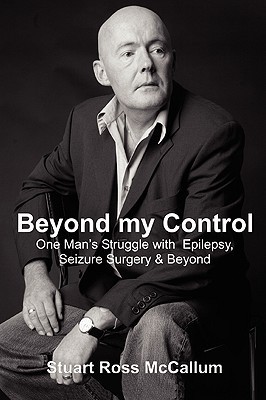
Beyond my Control: One Man's Struggle with Epilepsy, Seizure Surgery & Beyond
Book Description
Trapped in a storm of uncontrollable seizures, one man's life hangs in the balance as he battles for his freedom and identity. Stuart Ross McCallum takes you on an electrifying journey through the chaos of epilepsy, punctuated by moments of harrowing darkness and flickers of hope. With each chapter, the stakes rise as he confronts the daunting prospect of seizure surgery, grappling with fear, resilience, and the fragility of existence. This isn’t just a story of survival; it's a testament to the indomitable spirit of the human will. What happens when you are pushed to the edge of your own existence?
Quick Book Summary
“Beyond my Control” is Stuart Ross McCallum’s riveting memoir chronicling his lifelong struggle with epilepsy and the disruptive, often isolating realities of living with uncontrollable seizures. Facing the uncertainty of each day, Stuart’s journey is marked by emotional turmoil, stymied ambitions, and the heavy toll his condition takes on his relationships and self-identity. As medications fail and his sense of agency wanes, Stuart confronts the prospect of life-altering brain surgery—a decision fraught with risk, fear, and hope. Through candid storytelling and poignant reflection, he delves into the transformative experience of surgery and its aftermath. Ultimately, the book is a raw and inspiring account of endurance, the search for meaning, and the triumph of hope in the face of daunting odds.





Summary of Key Ideas
Table of Contents
Coping with Chronic Illness and Medical Uncertainty
Stuart Ross McCallum’s life is first upended by the onset of epilepsy, turning routine moments into unpredictable battles with seizures. The chronic nature of his illness invades every aspect of daily living, engendering anxiety and limiting opportunities. As he navigates misdiagnosis, medication failures, and the elusive quest for control, Stuart candidly depicts the constant vigilance and coping mechanisms required to live under the shadow of chronic medical uncertainty.
Stigma, Isolation, and the Impact on Personal Identity
The unpredictable seizures don’t just threaten Stuart’s physical well-being—they also impose deep social and psychological consequences. He wrestles with profound isolation as friends, colleagues, and even family struggle to understand his invisible burden. The stigma of epilepsy erodes his self-esteem and shapes his sense of self, forcing him to repeatedly redefine his identity beyond that of a patient. Emotional moments, from helplessness to anger, form a consistent undercurrent.
Navigating Medical Treatment and Seizure Surgery
With drugs offering diminishing returns, Stuart faces a wrenching crossroads: the possibility of brain surgery. The decision process is painstaking and fraught with risk. He reflects on the fear of losing crucial aspects of himself—memory, personality, or abilities. Descriptions of consultations with doctors and extensive pre-surgical testing underscore both medical complexity and his growing determination to reclaim his life from illness.
Resilience and Rebuilding Life After Crisis
The account of surgery and its aftermath is both harrowing and illuminating. Stuart endures the immediate trauma of invasive neurosurgery and navigates the uncertainty of recovery. Adjusting to the new normal is a slow process, marked by setbacks, complications, and the challenge of rebuilding confidence. These chapters reflect Stuart’s tenacity as he strives to piece together his autonomy, test the limits of his recovery, and adjust expectations for his future.
In the aftermath, Stuart’s journey becomes one of ongoing adaptation. While surgery alleviates some symptoms, the legacy of epilepsy lingers, requiring resilience and continual adjustments. His narrative shifts to finding hope and meaning in adversity, forging stronger relationships, and becoming an advocate for others facing similar challenges. The memoir closes on a note of hard-won optimism, affirming the enduring power of the human spirit in the face of chronic illness and the search for personal dignity.
Download This Summary
Get a free PDF of this summary instantly — no email required.