
Being Dead
Book Description
Life can change in an instant—sometimes, it ends in a heartbeat. As a couple confronts the stark reality of death in a desolate seaside town, the threads of their past unravel, weaving a haunting tale of love, loss, and the unsettling aftermath of mortality. With every poignant moment, the boundaries between life and death blur, and as secrets surface, a chilling mystery unfolds. This gripping narrative plunges into the depths of grief and the resilience of the human spirit. Will they find peace in the chaos, or will the shadows of the past consume them?
Quick Book Summary
"Being Dead" by Jim Crace is a haunting exploration of mortality, love, and the aftermath of violence. The novel follows Joseph and Celice, a married couple and zoologists, who are brutally murdered while revisiting a remote beach from their past. As their bodies lie undisturbed in the dunes, Crace weaves together three narrative threads: the couple’s last day, the week following their deaths, and the history of their relationship. Through poetic, unsentimental prose, the novel examines the physical realities of death, the tenderness and failings of intimacy, and the indifference of nature. As their estranged daughter returns to search for them, poignant questions emerge about memory, loss, and the way we ultimately confront our own impermanence. Crace juxtaposes the natural processes of decay with the persistence of love and human connection, creating a deeply affecting meditation on what it means to be alive—and to be dead.

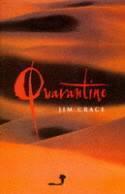

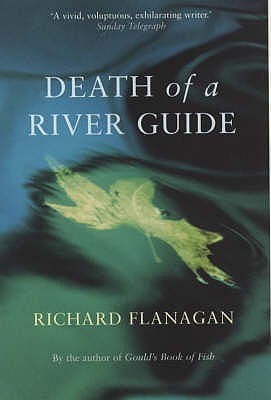


Summary of Key Ideas
Table of Contents
The Physicality of Death and Decay
The novel opens with the violent deaths of Joseph and Celice, a pair of married zoologists in their fifties. While visiting the seaside dunes where their love first ignited, they are attacked and left to die among the grasses and sand. Crace’s narration moves unflinchingly into the physical realities of death: the decomposition of the human body, the attention of insects and animals, and the silent passage of time as the couple remains undiscovered. The reader is forced to confront mortality and the strangely beautiful, natural processes that follow death.
The Nature of Love and Human Connection
Interspersed with the aftermath of the murder are flashbacks to the final hours of Joseph and Celice’s lives. Their walk along the beach is filled with mundane conversation, tender moments, and undercurrents of disappointment and tension typical in a long marriage. These recountings reveal the intricacies of their relationship—the split between passion and routine, secrets long held, and the resilience of love even as it wanes. Crace skillfully humanizes his characters, showing how their shared history is both unique and universal.
The Passage of Time and Memory
Another narrative thread moves backward in time, revisiting the origins of Joseph and Celice’s relationship. Their first encounter as students, the spark of their initial attraction, and formative experiences in their youth are woven throughout the story. Through this structure, Crace explores the way memory shapes identity and how love’s intensity may fade but often lingers in subtle ways. The shifting timelines invite readers to reflect on the passage of time, reconnecting moments of passion and loss.
Nature’s Indifference to Human Life
As their bodies lie undiscovered, Crace highlights nature’s complete indifference to human existence. The ecological details—the creatures feeding on the corpses, the indifferent movement of tides—contrast sharply with the couple’s personal tragedy. Even as their daughter, Syl, begins searching for her missing parents, nature continues unaffected. This juxtaposition emphasizes the humble place humanity occupies within the larger cycles of the natural world.
The Search for Meaning in Loss
Ultimately, the novel probes the search for meaning in the wake of loss. Syl’s quest is not only to discover what happened to her parents, but to piece together the fractured memories and truths of their lives. As society’s rituals—identification, burial, mourning—unfold, Crace questions how, or if, people find closure. The novel closes on the lingering impact of death, on others and the world, leaving readers to consider the boundaries between presence and absence, memory and oblivion, and the enduring need for connection even amidst inevitable decay.
Download This Summary
Get a free PDF of this summary instantly — no email required.