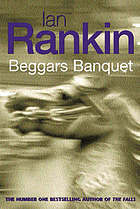
Beggars Banquet
Book Description
Beneath the surface of Edinburgh’s cobbled streets, a sinister web of crime unfurls, as Detective John Rebus delves deep into a world of betrayal and dark secrets. The city’s beggars hold more than just stories; they guard hidden truths that could tear lives apart. With tensions rising and old rivalries reigniting, Rebus grapples with fierce loyalty and the ghost of a past he can’t escape. In a race against time, he must confront both the living and the dead to uncover a chilling conspiracy. Can he solve the mystery before it consumes him?
Quick Book Summary
"Beggars Banquet" is a collection of gripping short stories by Ian Rankin featuring Detective John Rebus and other memorable characters navigating the gritty underworld of Edinburgh. Each tale peels back the layers of a seemingly respectable city to reveal hidden darkness, secrets, and human frailty. Through a series of cleverly plotted mysteries involving thefts, murders, betrayals, and moral dilemmas, Rankin explores the thin line between good and evil. Rebus is often forced to confront uncomfortable truths—not just about those he pursues but about himself and his city. With Rankin's sharp prose and atmospheric settings, the stories illuminate the human cost of crime and the enduring struggle for redemption, justice, and survival in a world full of ambiguity.



Summary of Key Ideas
Table of Contents
Morality and Moral Ambiguity
The collection opens by immersing readers in Edinburgh’s atmospheric streets, where the city’s glamour is counterbalanced by squalor and secrets. Rankin’s stories are set in an environment of constant tension between appearance and reality, where the beggars, criminals, and overlooked citizens often know more than the elite. Detective John Rebus is portrayed as a man both shaped and haunted by his past, navigating a labyrinth of lies, betrayals, and hidden connections that tie Edinburgh’s crimes to its history. This setting provides a vivid backdrop for the exploration of crime’s lasting effects on individuals and society.
The Shadow of the Past
Rebus’s investigations in these stories are marked by moral ambiguity. The lines between perpetrator and victim blur, challenging traditional notions of justice. Rankin populates his narratives with individuals whose choices exist in ethical grey areas—whether they are police, criminals, or bystanders. Rebus himself is not immune, frequently tempted to bend the rules or question the very authority he represents. The stories compel readers to grapple with uncomfortable questions about right and wrong, and the limits of law when human motivations are complex and often conflicting.
Society’s Underbelly and Class Divide
A recurring theme throughout "Beggars Banquet" is the way unresolved events from the past shape the present. Old rivalries resurface, secrets come to light, and forgotten crimes threaten to destroy lives anew. Rebus, with his own history of loss and guilt, finds himself drawn into investigations that dredge up personal and collective memories. The ghosts of the past both drive the narrative tension and serve as cautionary reminders of the persistent influence history wields over the present, especially in a city so steeped in tradition and old grudges.
The Complexity of Justice and Loyalty
The stories also shine a light on Edinburgh’s social divides. The fates of the city’s beggars, homeless, and working class intersect with those of the wealthy and powerful in unexpected ways. Rankin uses crime as a lens to dissect class dynamics, revealing how desperation, opportunity, and privilege shape both motives and outcomes. The beggars of the title symbolize the overlooked wisdom and resilience that exist beneath the city’s polished veneer, and their stories often hold the key to solving the central mysteries.
Throughout the collection, loyalty and personal conscience play crucial roles. Rebus is repeatedly forced to choose between his sense of duty, loyalty to colleagues or friends, and his inner moral compass. The tension between following orders and pursuing personal justice leads to difficult decisions, highlighting the complex reality of policing. Ultimately, "Beggars Banquet" is less about neat resolutions than about the tangled consequences of actions, and the ongoing pursuit of truth amid Edinburgh’s shadows.
Download This Summary
Get a free PDF of this summary instantly — no email required.