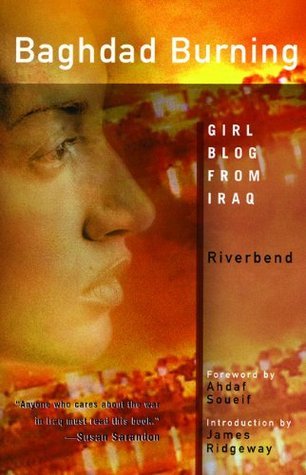
Baghdad Burning: Girl Blog from Iraq
Book Description
A young woman's voice rises above the chaos of war-torn Baghdad, crafting a vivid tapestry of life in a city under siege. Through her daily blog, Riverbend gives a raw, unfiltered glimpse into the heart of Iraq's turmoil, where ordinary moments collide with extraordinary challenges. Relentlessly courageous, she navigates cultural upheavals, blossoms of hope, and the haunting shadows of loss. As the bombs fall and laughter echoes in the streets, a gripping tale unfolds—one of resilience, identity, and longing against a backdrop of conflict. How do dreams survive when the world around them is unraveling?
Quick Book Summary
"Baghdad Burning: Girl Blog from Iraq" by Riverbend is a powerful memoir composed from the daily blog entries of a young Iraqi woman during the height of the Iraq War. Through her personal anecdotes, reflections, and cultural commentary, Riverbend provides a unique, female perspective rarely heard in mainstream narratives of conflict. She details the transformation of Baghdad from a vibrant, diverse metropolis into a city plagued by violence, insecurity, and deep uncertainty. Despite the chaos, Riverbend weaves in humor, insights about daily life, family traditions, and the persistent hope for normalcy. Her voice challenges Western preconceptions about Iraq and humanizes the enduring impact of war, making the book an essential, intimate account of life during extraordinary times.





Summary of Key Ideas
Table of Contents
Coping with Life in War-Torn Baghdad
"Baghdad Burning" chronicles the complexity of daily life in post-2003 Iraq as Riverbend and her family navigate an environment changed by war. She recounts adapting to new dangers, with frequent power outages, curfews, and a loss of personal freedoms. Ordinary activities like shopping become fraught with risk, while familiar routines are disrupted by insecurity. Riverbend’s stories highlight how basic survival and the maintenance of dignity become central pursuits in a city under siege, yet she also acknowledges the moments of humor and solidarity that shine through the darkness.
The Impact of Occupation and Political Upheaval
The book illustrates the tumultuous political changes following the U.S. invasion and occupation. Riverbend critically examines how the collapse of Saddam Hussein’s regime leads to power vacuums, sectarian violence, and the emergence of new political players. She expresses skepticism toward Western promises of democracy and questions the legitimacy of foreign-imposed solutions. Her firsthand accounts expose the disconnect between official narratives and the daily reality for Iraqis, offering an alternative perspective on the consequences of foreign intervention.
Family, Identity, and Cultural Resilience
Throughout her memoir, Riverbend foregrounds the importance of family and cultural identity. She describes how her household adapts to changing social norms, with women facing growing restrictions and threats to their safety. Despite the erosion of public security, her family remains a crucial source of strength, symbolizing continuity amid instability. Rituals of food, conversation, and holiday observance take on new significance, reinforcing a sense of identity and belonging despite external chaos.
Media Representation and Misunderstandings
Media coverage and international perceptions feature prominently in Riverbend’s writing. She often critiques Western media for perpetuating stereotypes or misrepresenting the Iraqi experience, highlighting the gap between sensational headlines and nuanced realities. By documenting her own observations and those of her peers, Riverbend reclaims agency over her narrative and challenges readers to recognize the humanity behind the headlines. Her blog is both testimony and act of resistance against marginalization.
Hope and Defiance Amidst Adversity
Despite the persistent threat of violence and loss, Riverbend’s voice remains defiantly hopeful. She reflects on the enduring dreams of ordinary Iraqis for peace, stability, and justice, refusing to surrender to cynicism or despair. Small acts of joy—laughter, childhood memories, and resilient friendships—become acts of resistance. Ultimately, "Baghdad Burning" is not simply about war; it’s a testament to the strength of the human spirit in the face of overwhelming adversity.
Download This Summary
Get a free PDF of this summary instantly — no email required.