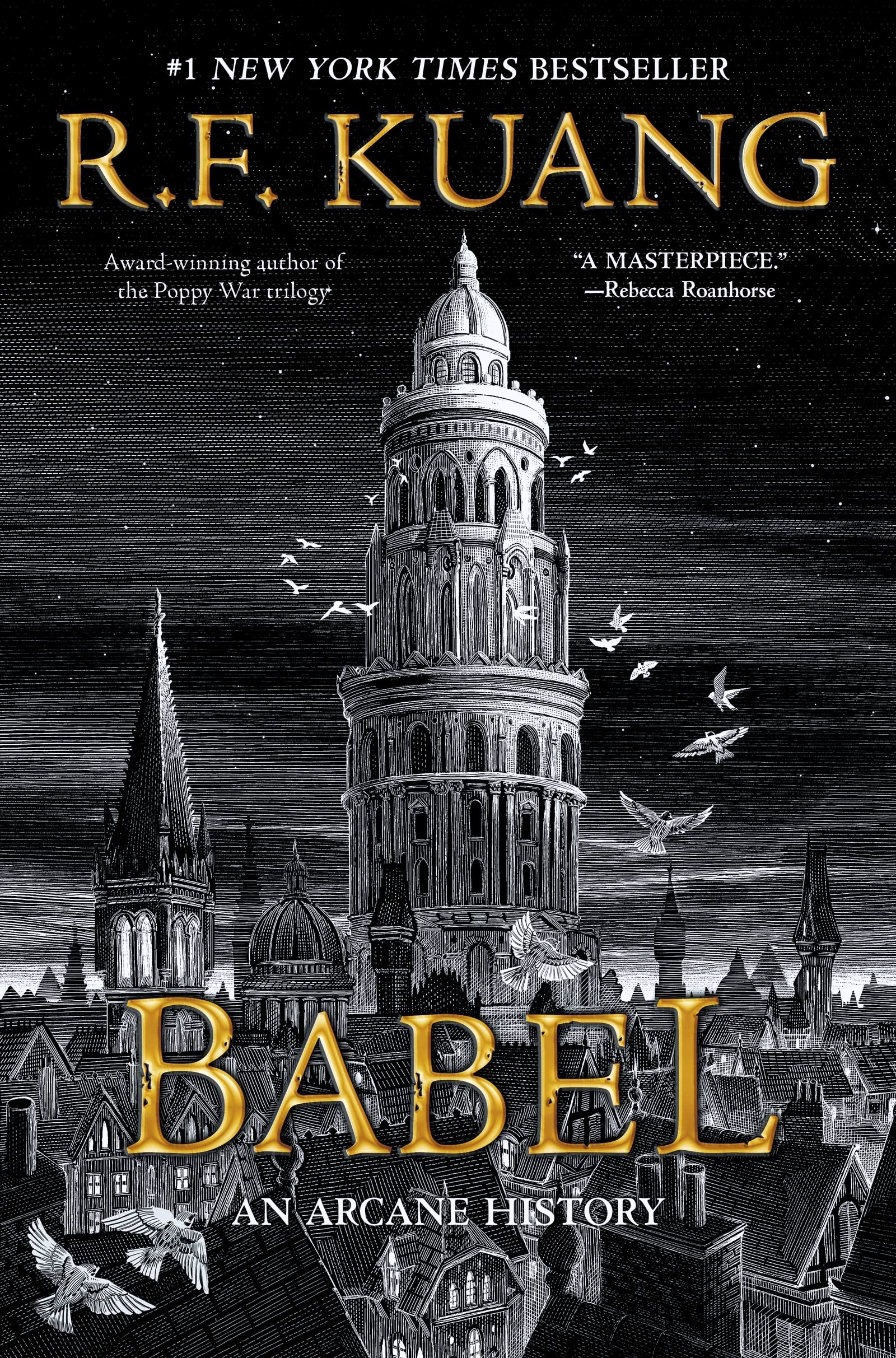
Babel
Book Description
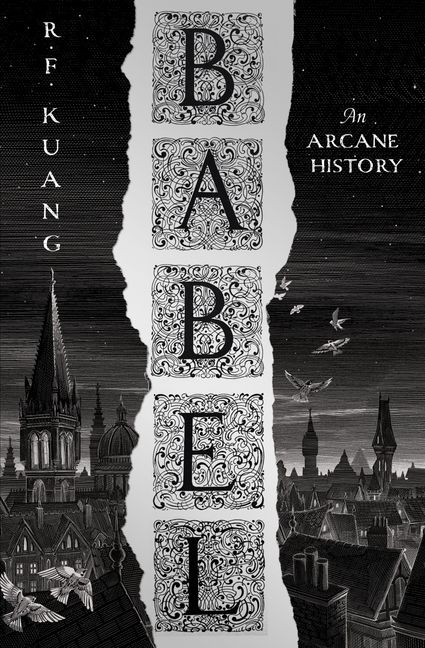
Words hold power, and in the bustling halls of the prestigious Oxford University, their true potential can ignite revolutions. In "Babel," R.F. Kuang weaves a tale of ambition, betrayal, and the relentless quest for knowledge amidst colonial turmoil. As students harness ancient language magic, their friendships are tested, and loyalty fractures in the face of oppression. The clash between ideals and consequences deepens, threatening everything they cherish. With every spell cast, the stakes rise—a world on the brink of chaos awaits. Will the bond of friendship endure, or will the allure of power shatter their dreams?
Quick Book Summary
“Babel” by R.F. Kuang is a richly layered dark academia fantasy set in an alternate Victorian Oxford. The story centers on Robin Swift, a Chinese orphan taken in by the enigmatic Professor Lovell, and trained for one purpose: to serve at Oxford’s Royal Institute of Translation. In this world, language is literal magic, and those at Babel use silver bars and linguistic matches to empower the British Empire’s machinery and dominance. Robin and his fellow students become enmeshed in academia’s intoxicating pursuit of knowledge, while grappling with their complicity in colonial oppression. When Robin confronts the inherent violence and exploitation driving Babel’s power, he faces impossible moral choices that challenge friendship, loyalty, and the nature of resistance. Kuang explores themes of translation, identity, and the costs of empire in a story where words can reshape worlds—for better or worse.

Summary of Key Ideas
Table of Contents
The Power and Politics of Language
In "Babel," R.F. Kuang uses the magical potential of translation at Oxford's Royal Institute as a lens for examining the immense power of language. Here, mastery of classical and modern tongues allows the manipulation of reality via enchanted silver bars, with the meanings lost in translation unleashing practical magic. This nuanced use of philology not only dazzles, but also becomes a tool of empire; the British monarchy exploits this power to fuel its global conquests, making language both miraculous and deeply political.
Colonialism and Resistance
At the heart of the novel are four students: Robin Swift, the Chinese orphan; Ramy, from India; Victoire, from Haiti; and Letty, an Englishwoman. Their friendships blossom amid Babel's grandeur, yet their backgrounds make them outsiders in a system designed to uphold British supremacy. As their academic ambitions grow, so too do their collective misgivings about their roles as pawns in an exploitative hierarchy. The pressures of Babel’s demanding program, paired with microaggressions and structural racism, reveal the institute’s insidious nature.
Friendship and Betrayal
Colonialism serves as both backdrop and antagonist. The novel interrogates the costs of collaboration versus resistance, as Robin and his friends juggle personal advancement with complicity in imperial violence. The mysterious Hermes Society—an underground shadow network of anti-colonial scholars—presents Robin with an alternative path, one fraught with danger and sacrifice. He is forced to weigh individual safety against the cause of liberation, and the cost of action against the pain of betrayal.
Identity, Belonging, and Alienation
As tensions mount, loyalty is put to the test. Bonds of affection and trust fracture under the strain of ideological divides and the crush of looming revolt. Robin’s internal struggle mirrors that of his peers—each torn between their cherished connections and their awakening outrage at Babel’s role in sustaining global oppression. The novel delves deeply into personal and institutional betrayal as students are compelled to make hard choices, sometimes against each other.
Knowledge, Morality, and Revolution
Ultimately, "Babel" interrogates the intersection of knowledge and morality. The pursuit of enlightenment, depicted as both intoxicating and perilous, forces Robin and his cohort to confront the transformative—and often destructive—power of words. The climax unfolds as revolution explodes within Babel’s hallowed halls, forcing all to grapple with the ultimate cost: what must be destroyed for true change to take place? The narrative ends on a bittersweet note, emphasizing the complexity and necessity of resistance in the face of vastly unequal power.
Download This Summary
Get a free PDF of this summary instantly — no email required.