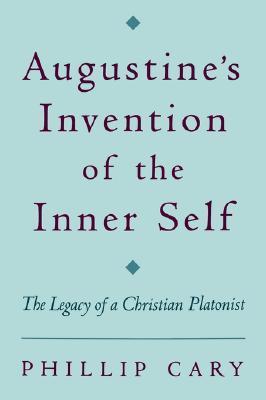
Augustine's Invention of the Inner Self: The Legacy of a Christian Platonist
Book Description
What if the key to understanding the modern self lies buried in ancient philosophy? 'Augustine's Invention of the Inner Self' invites readers on a mesmerizing journey through the thoughts of one of Christianity’s most profound thinkers. Phillip Cary uncovers how Augustine shaped our understanding of inner identity, intertwining faith and reason in a battle for the soul. With each page, explore the tension between divine light and human shadow, and recognize how these timeless ideas continue to resonate today. Are we merely products of our era, or can Augustine’s vision help us reclaim the depths of our true selves?
Quick Book Summary
Phillip Cary’s "Augustine's Invention of the Inner Self" offers an in-depth analysis of how St. Augustine, integrating Christian faith with Platonist philosophy, radically reconceived the notion of the self. Cary meticulously traces Augustine’s journey from external religious practices to an inward focus on self-examination and interiority, developing an understanding of the individual soul in relation to God. The book reveals how Augustine's framework of inwardness has shaped Western thought, affecting theology, psychology, and philosophy. Cary contends that Augustine was pivotal in introducing the idea that true knowledge and spiritual transformation require looking within, thereby laying the groundwork for both Christian spirituality and the modern sense of personal identity. The work situates Augustine as a bridge between ancient philosophical traditions and contemporary conceptions of the inner self.




Summary of Key Ideas
Table of Contents
Augustine's Turn to Inwardness
Augustine's journey to the inner self is marked by a decisive turn from external to internal sources of truth. Influenced by his spiritual struggles and philosophical background, Augustine learns to seek God not in outward rituals but within the depths of his own soul. Cary describes how this shift moves Augustine—and ultimately, Western culture—toward a view of personal interiority, where self-examination becomes the path to both knowledge and faith. This inward turn is key to Augustine’s confessional style, characterized by introspective narrative and honest reflection.
Platonism and Christian Theology
A cornerstone of this transformation is Augustine's encounter with Platonism. Cary shows how Platonic philosophy, with its emphasis on transcendent realities and the illumination of the intellect, deeply informs Augustine’s thought. Augustine adapts Platonic ideas of ascending toward the divine by turning inward to the soul’s own light. In this synthesis, Cary highlights how Augustine recasts Platonist ascent as a Christian journey of the soul toward God, accessible only through self-knowledge and divine grace.
The Interior Dialogue with God
Central to Augustine’s inwardness is the conception of an interior dialogue with God. Cary details how, for Augustine, faith and understanding are achieved via an internal conversation, where the soul listens to the "divine teacher" dwelling within. This personal engagement with God becomes the blueprint for subsequent Christian spirituality. The internal locus of truth also reshapes the meaning of religious authority and practice, placing ultimate importance on personal relationship with God over external conformity.
Foundations of the Modern Self
Cary argues that Augustine’s legacy decisively shapes the foundations of the modern self. Augustine’s introspective methods foster the idea that individuals are defined by inward identity and self-consciousness, prefiguring later developments in Western philosophy and psychology. The personal narrative of spiritual transformation, modeled by Augustine’s "Confessions," lays groundwork for the modern autobiography and psychological self-awareness. Cary shows how Augustine’s influence persists in how we think about authenticity, inwardness, and personal identity today.
Enduring Impact on Western Thought
Finally, the book explores the enduring impact of Augustine’s invention of the inner self on Western thought. Cary traces this influence through subsequent theologians, philosophers, and writers who grapple with the implications of inwardness and selfhood. Whether in debates about the nature of the self, the authority of reason, or spiritual experience, Augustine’s blend of Christian faith and Platonist philosophy continues to shape the questions and contours of modern subjectivity. The work ultimately positions Augustine as a pivotal figure whose innovations still echo in contemporary understandings of what it means to be a self.
Download This Summary
Get a free PDF of this summary instantly — no email required.