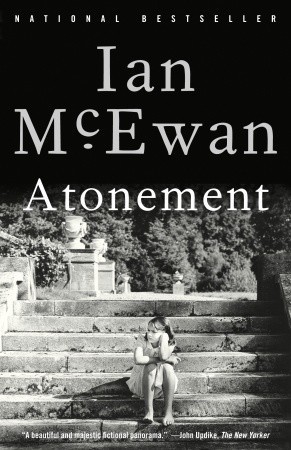
Atonement
Book Description
A single moment can shatter lives forever. In the heat of a turbulent summer, a young girl’s imagination spins a devastating misinterpretation that forever alters the fate of two lovers. As the shadows of war loom, desires clash with guilt, and memories intertwine with lies. Can love survive the insidious grip of betrayal, or will it be forever lost in the wake of atonement? Tension mounts as the characters grapple with their choices, casting an unforgiving light on the nature of forgiveness. As the past unfolds, the question remains: can true redemption be found amidst the ruins of shattered trust?
Quick Book Summary
Ian McEwan’s "Atonement" is a sweeping exploration of love, guilt, and redemption, unfolding against the backdrop of pre-World War II England. The story follows young Briony Tallis, whose vivid imagination and naivety lead her to misinterpret a fleeting encounter between her sister, Cecilia, and Robbie Turner, the housekeeper’s son. When a crime shocks the family estate, Briony’s testimony irrevocably changes the lives of Cecilia and Robbie, setting them on paths shaped by estrangement and hardship. As the narrative shifts through time—from the lush Tallis estate to the ravaged fields of Dunkirk and a postwar London—each character is haunted by the consequences of that fateful day. McEwan masterfully weaves themes of storytelling, culpability, and the complex possibility of forgiveness, challenging our understanding of truth and justice.


Summary of Key Ideas
Table of Contents
The Impact of Imagination and Perception
"Atonement" begins in the summer of 1935 at the Tallis family estate. Thirteen-year-old Briony Tallis, an aspiring writer with a vivid imagination, misinterprets a moment of passion between her older sister Cecilia and Robbie Turner, the housekeeper’s scholarly son. When a crime occurs that same night, Briony, convinced of her suspicions, accuses Robbie. Her testimony, a product of childhood misunderstanding and class bias, leads to Robbie’s wrongful imprisonment, irreparably harming the lives of all involved.
Class and Social Divisions
The narrative shifts to the horrors of World War II, focusing on Robbie, who chooses military service to escape prison. Facing brutality at Dunkirk, his hope for reunion with Cecilia becomes his sole motivation. Meanwhile, Cecilia has severed ties with her family in loyalty to Robbie. Briony, now a young woman, trains as a nurse amid wartime London, slowly coming to understand the profundity of her mistake and the limitations of her earlier worldview. The war serves as both backdrop and metaphor for devastation and lost innocence.
Guilt, Forgiveness, and Redemption
Briony’s path becomes a quest for atonement as she grapples with guilt over her actions. She attempts reconciliation with Robbie and Cecilia by confessing the truth to legal authorities and seeking forgiveness in person. However, societal and familial barriers complicate her efforts. Robbie and Cecilia remain estranged from the Tallis family and are denied the justice they deserve. Briony’s journey forces her to confront the indelible scars her accusation left on their lives as well as her own.
The Ravages of War and Loss
The novel culminates in a metafictional twist: Briony, now an old and celebrated writer, reveals she has chronicled the story in hopes of redeeming herself. However, she admits to altering reality in her narrative, granting Robbie and Cecilia the happy ending they were denied. This revelation highlights the theme of storytelling’s power—and limitations—to heal, explore guilt, and shape memory. The reader is left questioning the nature of forgiveness, justice, and whether true atonement is possible.
The Power and Limits of Storytelling
Through Briony’s journey, McEwan explores the corrosive potential of unchecked imagination, the barriers imposed by social class, and the devastating, enduring effects of war. "Atonement" deftly interrogates the tangled interplay between truth and fiction, exposing both the destructive and redemptive capacities of storytelling. Ultimately, the novel asks whether acts of creation can undo the harm wrought by acts of destruction, or if some wounds are forever beyond repair.
Download This Summary
Get a free PDF of this summary instantly — no email required.