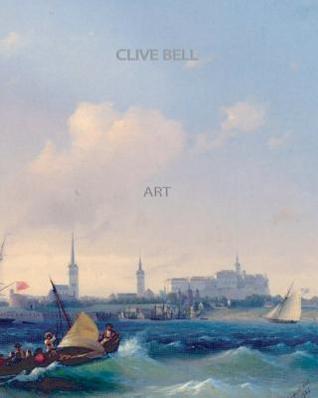
Art
Book Description
Unlock the vibrant world of aesthetics where beauty reigns supreme! Clive Bell's 'Art' dives deep into the essence of artistic expression, challenging conventional notions and igniting fervent debates. Explore the tension between emotion and intellect as Bell argues that the true value of art lies within its ability to evoke a profound response, transcending mere representation. With each page, discover how art shapes culture, fuels revolutions, and ignites passions. Can a single brushstroke or a striking melody hold the key to understanding the human experience? Step into the dialogue that has forever altered the perception of creativity.
Quick Book Summary
Clive Bell’s "Art" is a foundational work in 20th-century aesthetics, best known for presenting the concept of "Significant Form." Bell argues that what elevates an object into the realm of art is not its subject matter or technical mastery, but its ability to induce an aesthetic emotion through unique arrangements of form and color. The book distinguishes true art from decorative or narrative pieces, positing that the emotional resonance elicited by significant form is universal and superior to representational concerns. Bell’s provocative views invite readers to reassess the relationship between artist, artwork, and audience, shifting the focus from content to pure form as the essence of aesthetic appreciation. This work catalyzed debates on the nature and value of art that still influence criticism today.




Summary of Key Ideas
Table of Contents
The Theory of Significant Form
Clive Bell introduces his landmark theory of "Significant Form," suggesting that every work of art possesses particular formal qualities—arrangements of lines, colors, and shapes—that evoke an aesthetic emotion unique from other feelings. According to Bell, this emotional response is the hallmark of art, independent of the artwork's subject matter or narrative. He contends that it’s the organization of these visual elements, not the depiction of reality or storytelling, that truly matters in artistic creation.
Aesthetic Emotion and Universal Response
Bell emphasizes that the power of art lies in its capacity to provoke an aesthetic emotion, which he sees as a universal human response. This universality, he claims, transcends personal taste and cultural boundaries, uniting viewers through a shared experience of form. For Bell, the emotional response to art is immediate and direct, not mediated by cultural context or intellectual analysis. This universality becomes the primary measure of an artwork’s value.
Distinction Between Art and Non-Art
A central theme in "Art" is the demarcation between objects that are truly art and those that are not. Bell draws a sharp distinction between genuine works of art—those that generate the profound aesthetic emotion—and objects that simply imitate nature or tell pleasant stories. Decorative or narrative works, in his view, serve other purposes and may be appreciated on different levels, but they lack the essential quality that makes art transformative.
Art’s Independence from Representation
Bell strongly asserts that the importance of art lies not in its representational qualities, but in its independence from our perceptions and stories about the world. By separating pure form from representation, he encourages a focus on the intrinsic properties of the artwork. This challenges prevailing expectations of art as a vehicle for conveying messages or moral lessons, instead positioning art as an abstract, almost spiritual experience.
Art’s Social and Cultural Impact
Finally, Bell addresses the broader influence of art on society and culture. While he values art for its self-contained emotional impact, he also acknowledges its role in shaping sensibilities, inspiring revolutions in taste, and altering the way individuals engage with beauty and meaning. Bell’s arguments push readers to reconsider not just what art is, but how it functions as a catalyst for cultural change and a mirror of human experience.
Download This Summary
Get a free PDF of this summary instantly — no email required.