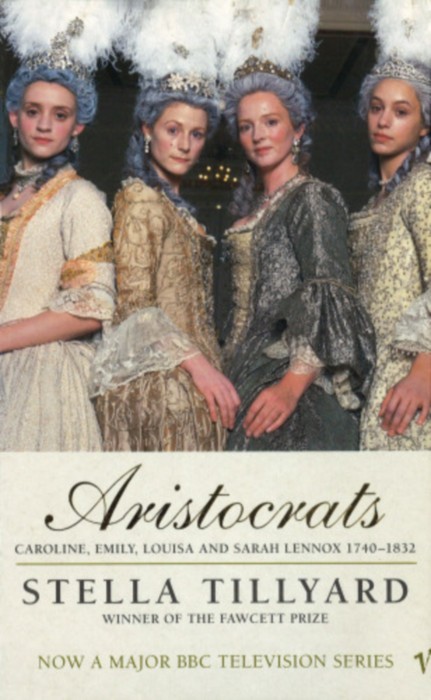
Aristocrats
Book Description
Three sisters, bound by blood but torn by ambition, navigate the treacherous waters of 18th-century British aristocracy. As privilege collides with passion, secrets simmer beneath the surface, igniting fierce rivalries and unexpected alliances. Their world is a dazzling tapestry of opulence, yet driven by a relentless pursuit for love and power. With every whispered scandal and stolen glance, stakes rise higher, and loyalties are tested in the grand ballrooms of society. Where does loyalty end and betrayal begin? Will their bonds withstand the ultimate test, or shatter under the weight of their desires?
Quick Book Summary
"Aristocrats" by Stella Tillyard paints a vivid portrait of the Lennox sisters—Caroline, Emily, Louisa, and Sarah—as they maneuver through the glittering yet perilous world of 18th-century British nobility. Using their prolific correspondence and diaries, Tillyard reveals both the public and private lives of the sisters, exposing the personal ambitions, heartbreaks, and political intrigues that shaped their destinies. Against a backdrop of lavish ballrooms, evolving gender roles, and tumultuous historical events, the Lennox women must balance familial loyalty with their individual desires. The narrative uncovers how their pursuit of love, power, and self-determination challenged the limits set by their aristocratic upbringing, ultimately revealing the complexities and contradictions of womanhood in a changing society.




Summary of Key Ideas
Table of Contents
Sisterhood and Rivalry in the Aristocracy
Through the interconnected lives of the Lennox sisters, Tillyard explores the strength and fragility of family bonds within the British aristocracy. Caroline, Emily, Louisa, and Sarah share a deep attachment but are frequently at odds due to ambitions, rivalries, and the pressures of their environment. Their correspondence reveals the intensity of their relationships—how loyalty is both a shield and a weapon in a world where reputations can rise or fall with a whispered rumor. The sisters’ struggles with each other reflect the broader challenges faced by aristocratic families as they balance tradition, inheritance, and personal aspiration.
Women’s Agency and Constraints
Despite the restrictive social codes of their era, the Lennox sisters seek avenues for agency and self-realization. Marriages, arranged primarily as political or economic alliances, are sometimes pursued or resisted with surprising autonomy. The women carve out spheres of influence, whether through managing estates, hosting influential salons, or establishing themselves as confidantes to powerful men. Their ambitions, however, are often curbed by gender expectations and legal limitations, underscoring how privilege does not guarantee true freedom.
Politics, Power, and Society
Political turbulence underpins much of the sisters’ story. The 18th century sees immense change: wars, shifts in monarchy, revolutionary ideas, and colonial ventures. The Lennox family’s proximity to power embroils them in court intrigues, governmental upheaval, and global events. Relationships with politicians and royals affect their prospects and safety, making their lives a microcosm of broader historical forces. Yet, politics is often deeply personal—manifesting at dinner tables as much as in Parliament.
Love, Scandal, and Reputation
The pursuit of love and the reality of scandal are ever-present in the sisters' lives. Whether yearning for genuine affection or navigating the expectations of arranged marriages, the women experience heartbreak, betrayal, and fleeting moments of happiness. Extramarital affairs and forbidden romances bring danger to their reputations and test the bonds they share. The threat of public disgrace is both a personal and familial risk, revealing how much social capital relied on the careful management of appearances.
The Impact of Historical Change
Finally, Tillyard illustrates how historical change reshapes the Lennox sisters' world. The Enlightenment, shifts in social mobility, changes in property laws, and the evolving roles of women all affect their choices and opportunities. Their correspondence reflects an acute awareness of a society in flux—one that offers hope and uncertainty in equal measure. By the end of their story, the sisters have not only survived the trials of their age but contributed in subtle ways to the transformation of aristocratic womanhood, leaving behind a poignant record of ambition, loyalty, and resilience.
Download This Summary
Get a free PDF of this summary instantly — no email required.