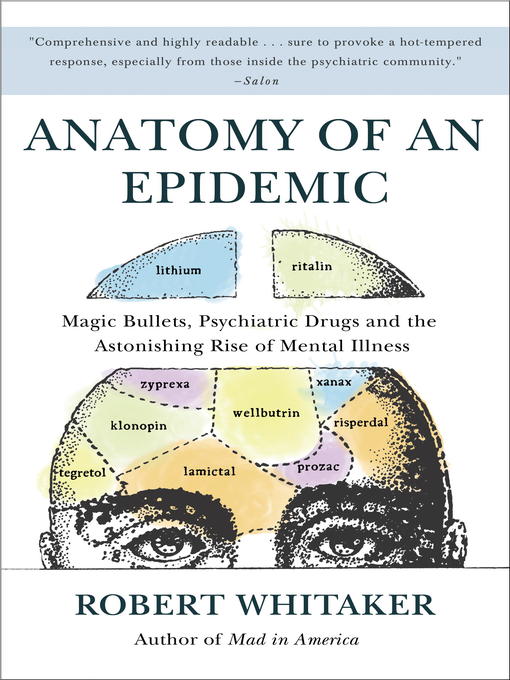
Anatomy of an Epidemic: Magic Bullets, Psychiatric Drugs, and the Astonishing Rise of Mental Illness in America
Book Description
What if the very solutions meant to heal us are deepening the crisis? In "Anatomy of an Epidemic," Robert Whitaker exposes the shocking truth behind America's soaring rates of mental illness and the pharmaceutical industry's role in it. With a gripping narrative that interweaves personal stories and startling statistics, this eye-opening exploration uncovers a hidden epidemic where so-called magic bullets become tools of dependency. As the lines blur between treatment and harm, the stakes couldn't be higher. Are these drugs truly the answer, or have they ignited a national tragedy?
Quick Book Summary
In "Anatomy of an Epidemic," Robert Whitaker critically examines the explosive rise in mental illness diagnoses in America and the parallel boom in psychiatric drug prescriptions. Drawing on scientific research, historical analysis, and personal narratives, Whitaker questions the prevailing belief that psychiatric drugs are effective long-term treatments for conditions like depression, bipolar disorder, and schizophrenia. Instead, he argues that these medications often worsen outcomes over time, leading to increased chronicity and disability. The book scrutinizes pharmaceutical industry practices, the history of psychiatric medication, and the pressures shaping contemporary mental health care. Ultimately, Whitaker calls for a fundamental reassessment of how mental illness is treated, warning that continued reliance on medications may be exacerbating, rather than resolving, the epidemic of mental illness.




Summary of Key Ideas
Table of Contents
Rising Rates of Mental Illness Despite Medical Advances
Robert Whitaker begins by highlighting a paradox: as psychiatric drugs have become widely prescribed over the past few decades, the rates of mental illness, disability, and chronicity have soared. He presents compelling epidemiological data showing that the prevalence of disabling mental disorders is far greater now than before the era of modern pharmacological treatments. This trend, Whitaker asserts, challenges the assumption that more medication leads to better population mental health outcomes, serving as a central mystery driving his investigation.
The History and Science Behind Psychiatric Drugs
Whitaker dives into the historical development of psychiatric drugs, exploring how treatments for schizophrenia, depression, and bipolar disorder evolved from the 1950s onward. He reveals how initial excitement about "magic bullet" drugs like chlorpromazine and lithium was not always supported by long-term research. Over time, studies began to show that patients on continuous medication often fared worse in terms of relapse rates and functional outcomes compared to those who did not take these drugs long-term. This insight sparks a critical reevaluation of the standard drug-based approach to mental health treatment.
Personal Narratives Versus Clinical Outcomes
The book amplifies these findings with stories from patients and families who experienced both brief relief and prolonged struggle after being prescribed psychiatric drugs. Whitaker emphasizes how the lived experiences of real people frequently diverge from the rosy pictures painted by drug marketers. Many individuals became dependent on their medications, experienced difficult side effects, and found it hard to reclaim their previous level of functioning. These accounts ground the statistical data in human reality, illustrating the widespread and deep impact on millions of lives.
The Pharmaceutical Industry’s Influence on Psychiatry
Whitaker also scrutinizes the role that pharmaceutical companies have played in shaping psychiatry's treatment paradigms. He details aggressive marketing campaigns, selective publication of favorable research, and the influence of key opinion leaders who help define clinical standards. The financial ties between industry and psychiatry, Whitaker argues, have led to the overselling of drug benefits while minimizing potential harms. This systemic entanglement has been instrumental in normalizing chronic medication use, regardless of evidence for long-term safety or efficacy.
Reevaluating the Future of Mental Health Treatment
In the book’s concluding analysis, Whitaker calls for a paradigm shift in mental health care. He advocates that practitioners, researchers, and policymakers explore alternative models—such as psychosocial supports and medication minimization strategies—which may yield better long-term outcomes for many patients. He urges greater transparency, patient autonomy, and a renewed emphasis on holistic approaches to recovery. "Anatomy of an Epidemic" ultimately challenges readers to question established medical dogma and reimagine a system that truly supports lasting mental health.
Download This Summary
Get a free PDF of this summary instantly — no email required.