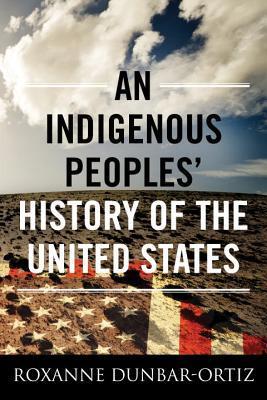
An Indigenous Peoples' History of the United States
Book Description
What if the true story of America begins long before Columbus? In "An Indigenous Peoples' History of the United States," Roxanne Dunbar-Ortiz shatters the myth of the American dream and reveals a landscape rich with resistance, culture, and survival. Through vivid accounts and powerful narratives, this book exposes the ongoing struggles of Indigenous peoples against colonization and erasure. With each turn of the page, the stark realities confront ingrained beliefs, challenging every reader to reconsider their understanding of history. As the echoes of past injustices reverberate into the present, can we build a future that honors all voices?
Quick Book Summary
"An Indigenous Peoples' History of the United States" by Roxanne Dunbar-Ortiz reexamines American history from the perspective of Indigenous peoples, upending the dominant Eurocentric narrative. The book reveals how the founding and growth of the United States were built on systematic violence, dispossession, and genocide of Native nations. Dunbar-Ortiz traces Indigenous resistance to colonization, highlighting the resilience and rich cultures of Native peoples across centuries. By weaving together historical records, Indigenous oral histories, and critical analysis, the author exposes the ongoing impact of colonization and challenges readers to acknowledge historical truths long ignored. Ultimately, the book urges a reckoning with America’s past in hopes of forging a more just and inclusive future built on truth and respect for Indigenous voices.



Summary of Key Ideas
Table of Contents
Reexamining American History Through an Indigenous Lens
Roxanne Dunbar-Ortiz begins by arguing that mainstream accounts of US history have marginalized or entirely erased Indigenous perspectives. She emphasizes that the land now called the United States was not a "wilderness" but home to vibrant societies with complex governance, cultures, and economies. This alternative perspective invites reconsideration of America’s founding myths, instead recognizing the continent’s original inhabitants and their deep relationships with the land.
The Structures and Impacts of Settler Colonialism
The book examines how settler colonialism was not incidental but foundational to the creation of the United States. Dunbar-Ortiz details the policies, militarization, and economic interests that drove westward expansion, from the Doctrine of Discovery to Manifest Destiny. She exposes how colonial violence, forced removals, and broken treaties were systematic rather than exceptional. These processes created lasting structures of inequality, and the resulting trauma reverberates in Indigenous communities to this day.
Resistance, Survival, and Adaptation of Indigenous Peoples
Despite centuries of violence and dispossession, Dunbar-Ortiz highlights Indigenous survival, resistance, and adaptation. Far from passive victims, Native nations continually resisted colonization through armed struggle, legal action, diplomatic efforts, and creative cultural preservation. The book showcases Indigenous agency, from the earliest encounters to contemporary movements like the American Indian Movement, demonstrating ongoing resilience and resurgence.
The Distortion and Erasure of Indigenous Cultures
A significant theme is the distortion and erasure of Indigenous experiences within American culture, policy, and education. Dunbar-Ortiz challenges the prevailing narrative that portrays Indigenous peoples as vanished or doomed to assimilation. She probes the mechanisms—textbooks, popular media, legal frameworks—by which histories are sanitized, and Native voices are silenced, maintaining a system that perpetuates ignorance and injustice.
Reckoning with the Past to Shape a Just Future
The concluding sections urge a national reckoning, arguing that genuine justice requires confronting uncomfortable truths. Dunbar-Ortiz calls for recognizing Indigenous sovereignty, honoring treaties, and integrating Indigenous perspectives into all accounts of the past. By examining the legacies of colonization and ongoing resistance, she argues for a future in which all Americans grapple with historical realities and work toward equity, reconciliation, and collective healing.
Download This Summary
Get a free PDF of this summary instantly — no email required.