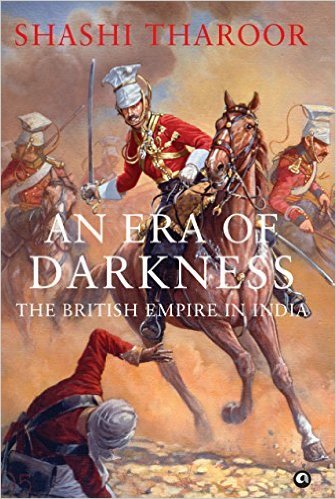
An Era of Darkness: The British Empire in India
Book Description
A tale of exploitation and resilience unfolds as power clashes with the spirit of a nation. Shashi Tharoor’s 'An Era of Darkness: The British Empire in India' exposes the brutal realities of colonial rule while illuminating the tenacity of those who refused to succumb. Through gripping narratives of suffering and resistance, the book unveils the profound impact of imperialism on Indian society and culture. With meticulous research and vivid storytelling, it challenges the glorified narratives of empire. As the echoes of history resonate with present-day struggles for justice, can true healing ever emerge from the shadows of oppression?
Quick Book Summary
"An Era of Darkness: The British Empire in India" by Shashi Tharoor offers a trenchant critique of British colonial rule, challenging the widespread myth of the Empire’s benevolence. Drawing on historical evidence, Tharoor details the economic exploitation, cultural destruction, systemic racism, and administrative policies that devastated Indian society. The book underscores how British policies led to economic decline, horrendous famines, and long-term social fragmentation. Far from modernizing India, the British left a legacy of poverty and division. Tharoor's compelling prose and sharp arguments dismantle apologetic narratives about the Empire, reminding readers of the resilience of Indians who resisted oppression. Ultimately, the book demands an honest reckoning with colonial history and its enduring impacts on the subcontinent.


Summary of Key Ideas
Table of Contents
Economic Exploitation and Drain of Wealth
Tharoor confronts the economic rationale often cited to defend colonialism by exposing the vast outflow of wealth from India to Britain. He meticulously documents how policies—from unfair taxation to the destruction of indigenous industries—converted a once-prosperous land into one defined by poverty. The British extraction of resources, manipulation of trade, and deliberate stifling of Indian manufacturing left the economy crippled. Famine and destitution became widespread, with British authorities often indifferent or complicit, prioritizing imperial interests over Indian welfare.
Cultural Erasure and Social Disruption
Beyond economics, colonialism inflicted deep wounds on Indian culture and society. Tharoor explains how the British systematically undermined traditional institutions, imposed English as the language of power, and cultivated a colonial elite to serve imperial aims. Efforts to “civilize” led to the erasure and marginalization of centuries-old traditions and knowledge systems. Social structures were fragmented, and the introduction of divisive policies, such as the census and communal representation, fostered long-term discord.
Racism and Colonial Justifications
Tharoor highlights the overt and covert racism that permeated the colonial project. The British justified their dominance with claims of civilizational superiority, labeling Indians as inherently backward. This ideology shaped laws, educational opportunities, and societal status, creating a deeply unequal order. Colonial authorities institutionalized prejudice, barring Indians from positions of influence and viewing them as subjects rather than citizens, entrenching a mindset that persisted long after independence.
Myth versus Reality of the British Empire
Tackling apologist claims, Tharoor deconstructs the myths of colonial beneficence—such as the introduction of railways, democracy, and the rule of law—by revealing their true purposes: facilitating exploitation, control, and profit for Britain. Improvements made under the Raj were not intended to uplift Indians, but rather to strengthen imperial administration. Much of India’s subsequent progress emerged despite, not because of, colonial rule, with the negative consequences outweighing any purported benefits.
Indian Resistance and Enduring Legacies
Despite adversity, India witnessed persistent resistance, from intellectual critiques to organized political movements. Tharoor underscores the resilience and agency of Indians—from early revolts to the nonviolent struggle led by Gandhi and the mass mobilizations that culminated in independence. The enduring legacies of colonialism—economic disparity, entrenched divisions, and psychological scars—continue to influence India’s trajectory. Tharoor calls for an honest engagement with this painful history, arguing that true healing and progress require acknowledging the full scope of colonial injustices.
Download This Summary
Get a free PDF of this summary instantly — no email required.