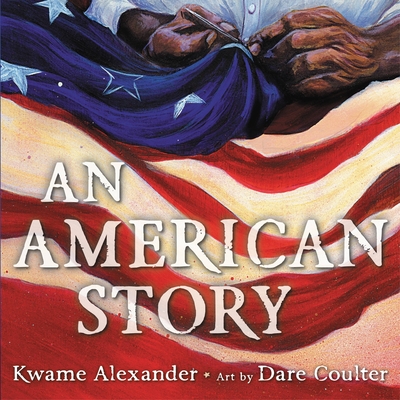
An American Story
Book Description
A journey through the heart of America unfolds, where dreams collide with harsh realities and every choice carries weight. In this powerful tale, two lives intersect against a backdrop of family struggles, cultural expectations, and the relentless pursuit of identity. Raw emotions simmer as ambition tests loyalty, and the shadow of history looms large. Friendship and betrayal blur the lines of love, forcing characters to confront their deepest fears and desires. As the clock ticks down to an uncertain fate, can they navigate the turmoil of their lives and find their true path? What does it mean to truly belong?
Quick Book Summary
“An American Story” by Kwame Alexander is a poignant picture book that presents the sweeping narrative of American history through lyrical poetry and evocative artwork. Centered on the journey and experiences of enslaved Africans and their descendants, the book provides a heartfelt and accessible entry point for children to begin understanding the legacy of slavery, resilience, and hope. Through the eyes of a teacher and her students, the story explores difficult truths, emotional obstacles, and the ongoing quest for identity and belonging in America. Alexander's words, paired with vibrant illustrations, help young readers grapple with the pain and courage at the heart of the American story, while encouraging compassion, empathy, and critical reflection about the past and its impact on the present.





Summary of Key Ideas
Table of Contents
Facing the History of Slavery with Honesty and Empathy
The narrative begins with a teacher attempting to explain the harrowing history of American slavery to her class of young, diverse students. As they read words like "enslaved" and "auctioned," the teacher thoughtfully navigates their questions and emotions. The classroom scenes serve as a microcosm of society grappling with the pain and complexity of its past. Alexander uses this setting to frame a broader conversation about truth-telling and the necessity of not shying away from difficult, emotional history, even when it is uncomfortable to confront.
Exploring Identity and the Search for Belonging
Through lyrical verses and vivid imagery, the story traces the kidnapping, forced journey, and enduring suffering that enslaved Africans experienced. Alexander does not gloss over the brutality faced by those who were enslaved; instead, he crafts language that is honest yet mindful of the book’s young audience. The poetic approach becomes a tool for bearing witness while cultivating empathy and understanding, providing young readers with an entryway into tough conversations about race, injustice, and resilience.
Resilience in the Face of Hardship
Interwoven throughout the book is a recurring focus on identity. The narrative follows both historical figures and present-day children as they struggle to make sense of where they fit within America’s complex tapestry. Questions of cultural heritage and self-worth are explored, highlighting the lasting impact of slavery and discrimination on generations of African Americans. The book shows how acknowledging the pain in America’s past can empower future generations to find their voices and claim their place in history.
The Role of Storytelling and Poetry in Healing
Despite the gravity of its subject, "An American Story" is ultimately hopeful. The teacher, students, and ancestors remembered within its pages serve as reminders of courage and resilience. The act of story-sharing itself helps transform sorrow into hope, inviting readers to participate in the ongoing journey toward justice and equality. Alexander situates hope as both a legacy inherited from the past and a promise to be carried into the future.
Hope and Progress Amid Historical Injustice
The book closes by encouraging reflection and dialogue. Through poetry, storytelling, and inclusive classroom discussions, it underscores the transformative power of sharing our stories and listening to others’. Alexander invites families and educators to help children draw connections between the past and present, and to cultivate compassion, justice, and a deeper understanding of what it means to belong in America.
Download This Summary
Get a free PDF of this summary instantly — no email required.