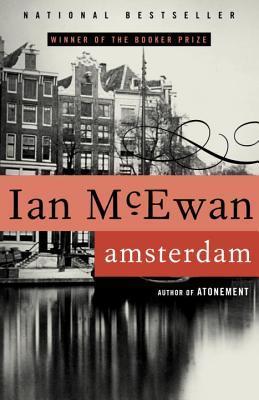
Amsterdam
Book Description
Two former lovers memorialize a friend’s death in a scandalous pact, only to find themselves spiraling into a maze of moral dilemmas and treachery. As Amsterdam’s picturesque canals reflect the chaos of their intertwined lives, ambition clashes with conscience amidst a gripping narrative of betrayal and revenge. In the shadows of artistic brilliance, what will they sacrifice to uphold their ideals? With every turn, the lines blur between right and wrong, leaving hearts racing and futures hanging in the balance. When ambitions collide in a darkly comic tableau, who will emerge unscathed? How much is too much for ambition?
Quick Book Summary
"Amsterdam" by Ian McEwan follows the intertwined fates of Clive Linley, a renowned composer, and Vernon Halliday, the editor of a beleaguered newspaper, after the funeral of their former lover, Molly Lane. Both men are driven by personal ambition and a pact made in the wake of Molly's death, promising to intervene should the other lose dignity or control. However, their ideals soon conflict as they become embroiled in scandals, ethical quandaries, and bitter rivalries that push them to the brink. Set against the backdrop of London and Amsterdam, the novel explores the corrosive effects of pride, friendship, revenge, and the public gaze. McEwan weaves a tale that is as darkly comic as it is tragic, forcing readers to question the boundaries of loyalty and the price of moral certitude.


Summary of Key Ideas
Table of Contents
Ambition Versus Morality
Clive Linley and Vernon Halliday reconnect after attending the funeral of Molly Lane, a talented and vivacious woman who deeply influenced both men. In mourning, they reflect on her decline due to a terminal illness and the memories of their relationships with her. Struck by the specter of a slow-wasting death, they make a disturbing pact: should either lose autonomy to illness, the other will help orchestrate a dignified, merciful end. This agreement, rooted in compassion but tinged with self-interest, foreshadows the entanglements that follow.
Complexities of Friendship and Loyalty
As the story unfolds, both men are propelled by ambition in their respective fields. Clive, a celebrated composer, is under pressure to complete a symphony commissioned for a national event, while Vernon struggles to keep his newspaper relevant amid fierce competition. Their moral boundaries are tested when Vernon acquires compromising photographs of Julian Garmony, a controversial politician and Molly's widower. Torn between journalistic duty and personal vendetta, Vernon faces a major ethical decision about whether to publish the material for both career gain and supposed public good.
Ethics in Media and Art
Clive, simultaneously, embarks on a hiking trip seeking inspiration. During this journey, he witnesses a possible assault but chooses to ignore it for the sake of preserving his artistic mood. This lapse in moral responsibility weighs on Clive, prompting a rift with Vernon who is appalled by Clive's inaction. Their respective choices regarding art, media, and ethical responsibility serve as mirror images of personal failings and misplaced priorities, leading to deep-seated resentment.
Personal Responsibility and Betrayal
The friendship, already fraught with jealousy and rivalry, quickly unravels into betrayal. Each man, believing the other has violated their unspoken code of conduct, plots revenge. Their earlier pact, intended as a safeguard against indignity, becomes a twisted pretext for plotting each other’s demise. Both arrange to meet in Amsterdam, using the city’s serene facade as a setting for their final confrontation, reflecting the duplicity and underlying chaos in their own lives.
Public Image and Private Lives
The climax arrives in Amsterdam, where mutual treachery comes to fulfillment. Both Clive and Vernon, each believing they are enacting the pact out of mercy, end up assassinating each other. Their deaths, marked by irony and dark comedy, serve as a grim meditation on ambition, friendship, and the difficulty of moral choices. The narrative ends with an examination of Molly's other acquaintances, suggesting that personal failings and moral ambiguity are universal. McEwan’s narrative forces the reader to question whether ambition justifies sacrifice, and if loyalty can survive personal failure and public scrutiny.
Download This Summary
Get a free PDF of this summary instantly — no email required.