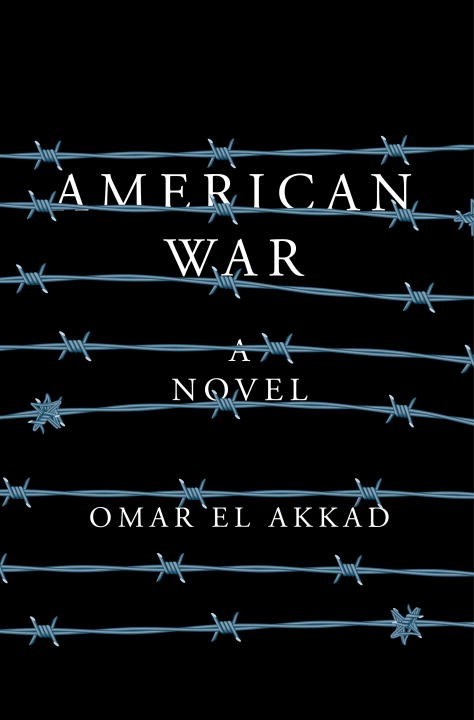
American War
Book Description
In a fractured America torn apart by a second civil war, one woman's fate hangs perilously between loyalty and survival. As the once-familiar landscape is transformed into a battleground, 18-year-old Sara T. finds herself caught in the web of conflict, grappling with love, loss, and the harrowing quest for identity in a world upended. El Akkad masterfully weaves a tale of resilience and betrayal, painting a vivid picture of a future that feels hauntingly possible. Can hope endure in a reality defined by chaos and despair, or will the shadows of war consume all that remains?
Quick Book Summary
"American War" by Omar El Akkad is a dystopian novel set in a near-future America devastated by climate change, political upheaval, and a second civil war. Centered on the life of Sarat Chestnut, the novel explores how conflict and loss shape her from a young innocent into a hardened agent of vengeance. As the South and North clash over policies and dwindling resources, Sarat’s journey becomes a microcosm for the wider devastation and brutality inflicted by war. El Akkad’s narrative blurs the lines between victim and perpetrator, demonstrating how violence begets violence and how cycles of revenge are difficult to escape. The story is both a harrowing warning about America’s possible future and a universal meditation on the personal and collective costs of war.


Summary of Key Ideas
Table of Contents
The Personal Cost of War and Radicalization
In a future ravaged by environmental collapse, America is split after southern states rebel against federal bans on fossil fuels. The story unfolds through the perspective of Sarat Chestnut, who grows up in the war-torn remnants of Louisiana. Displaced and orphaned by tragedy, Sarat and her family endure the hardships of life at a refugee camp—a place marked by deprivation, suspicion, and simmering rage. Here, Sarat's bitterness deepens as she witnesses firsthand the horrors of war, influencing her path toward radicalization.
Climate Change as a Catalyst for Conflict
The narrative examines how personal trauma intermingle with systematic violence. After her father's death and her own experiences with loss and betrayal, Sarat is manipulated by outside actors who channel her anger for their own ends. Through relationships with figures like Albert Gaines, she is drawn into a spiral of extremism, echoing how wars breed further conflict by preying on the vulnerable. The book uses Sarat’s transformation to reflect the insidious process by which ideology and vengeance override innocence and empathy.
Family, Loyalty, and Betrayal
El Akkad links climate change to political and social upheaval, showing how environmental destruction acts as a catalyst for broader chaos. Drought, rising seas, and failing crops render large swathes of the country uninhabitable, fueling mass migrations and deepening resentment. These ecological crises provide the context for civil strife, demonstrating that the collapse of the natural world can be inextricably entwined with the breakdown of human societies and moral boundaries.
Cycles of Violence and Revenge
Themes of family and loyalty converge with betrayal as Sarat’s decisions are shaped by her relationships with her siblings, her mother, and those who exploit her suffering. The complexities of trust and allegiance become central as Sarat navigates a world where survival often means making devastating choices. Her relationships are both her greatest source of strength and vulnerability, eventually leading to sorrow and acts of irreversible violence.
Nationhood, Identity, and Division
Ultimately, "American War" grapples with the cyclical nature of vengeance. As Sarat enacts her revenge, the novel raises profound questions about justice, retribution, and the legacy of trauma. El Akkad’s bleak vision exposes how societies caught in cycles of conflict risk destroying not just infrastructure or territory, but the very fabric of identity and hope. The book serves as a cautionary tale about what is lost—personally and collectively—when war becomes a way of life.
Download This Summary
Get a free PDF of this summary instantly — no email required.