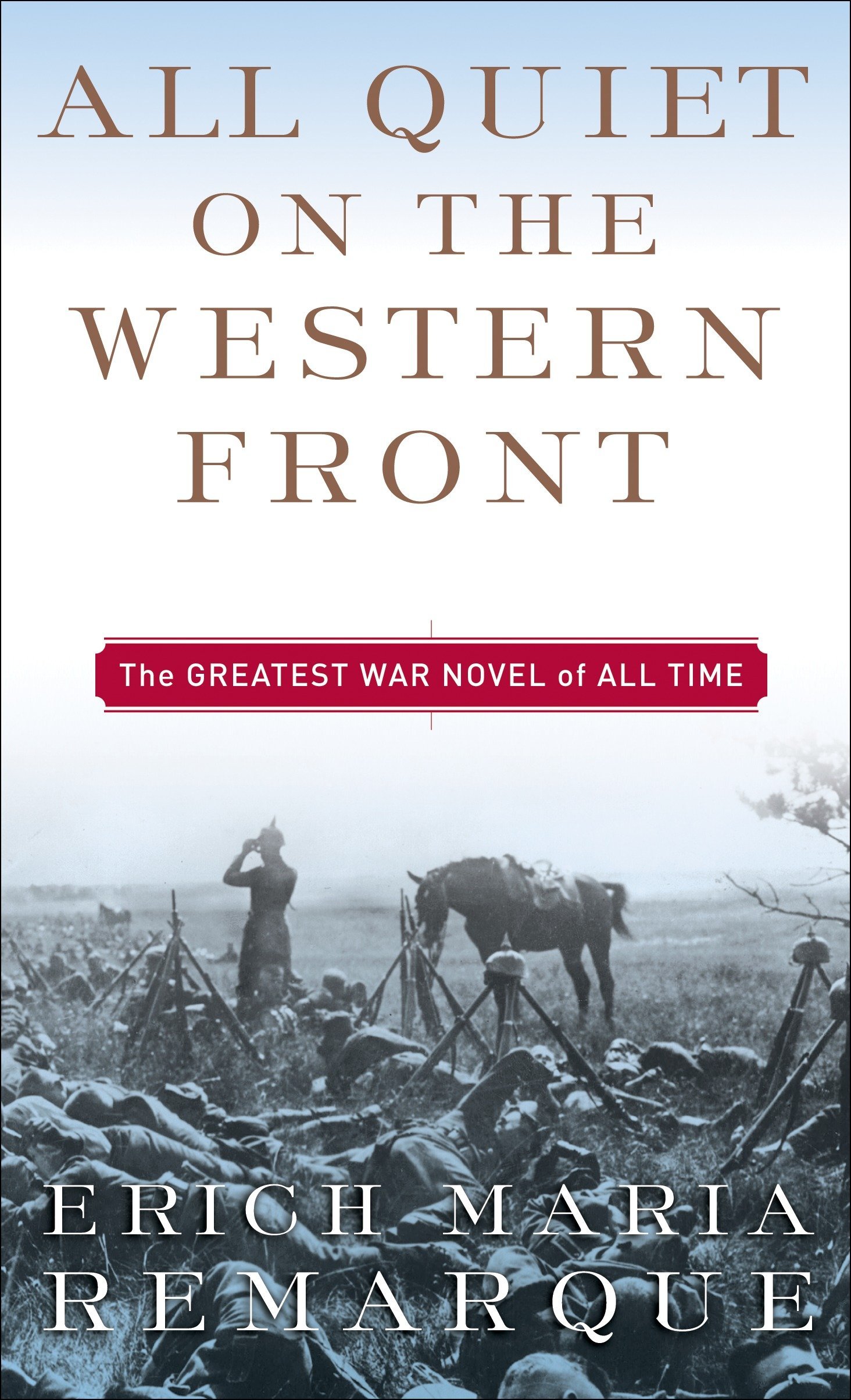
All Quiet on the Western Front
Book Description
Amidst the haunting silence of war, camaraderie becomes both a lifeline and a burden. Young soldiers grapple with the harrowing realities of the front lines, where friendship is forged in the crucible of chaos and dreams dissolve into the mud. Each battle strips them bare, revealing the raw wounds of loss and disillusionment. As the relentless march of conflict rages on, hope flickers like a dying ember. Can humanity endure the dehumanizing grip of war, or will it be swallowed by the darkness? Discover the chilling truth that lies beneath the surface of valor and sacrifice. What happens when silence speaks louder than guns?
Quick Book Summary
"All Quiet on the Western Front" follows Paul Bäumer, a young German soldier, and his comrades as they navigate the horrors of World War I. Initially filled with patriotic fervor, Paul and his friends are quickly disillusioned by the brutal realities of trench warfare. The story delves into the psychological and physical toll that conflict inflicts on ordinary men, stripping away their innocence and humanity. Bonds of camaraderie provide comfort amid the chaos, yet the relentless suffering and loss erode any remaining hope. Through evocative prose, Erich Maria Remarque exposes the dehumanizing effects of war, the inescapable trauma it inflicts, and the lasting impact on those who survive. Ultimately, the novel is a powerful condemnation of war’s senseless destruction.



Summary of Key Ideas
Table of Contents
The Brutality and Futility of War
The novel begins with a group of German schoolboys, inspired by nationalistic propaganda, who voluntarily enlist in the army. Among them is Paul Bäumer, the narrator. Their early military experience is dominated by strict discipline and harsh training from authority figures like Corporal Himmelstoß. These formative experiences quickly erode their youthful idealism as the boys are sent to the front, where they face unimaginable horrors that differ starkly from what they expected. The brutality strips them of their innocence, leaving them traumatized and forever changed.
Loss of Innocence and Youth
As Paul and his comrades are exposed to the daily violence of trench warfare—shelling, gas attacks, hand-to-hand combat—the realities of war become painfully clear. Death is constant and arbitrary, affecting close friends and enemies alike. Remarque vividly depicts the soldiers’ suffering, hunger, and deprivation, emphasizing the profound futility of the conflict. The contrast between propaganda and reality becomes glaring, with traditional values like heroism and honor rendered meaningless on the battlefield. Instead, mere survival takes precedence.
The Power and Pain of Comradeship
Amid the chaos, the soldiers form deep bonds with one another, finding moments of camaraderie and solace amidst the devastation. These friendships become a lifeline, helping them cope with fear and loss. Yet, the pain of seeing friends wounded or killed adds to the psychological burden. Experiences such as the fates of characters like Kemmerich, Katczinsky, and Müller highlight the randomness and tragedy that define their existence at the front, further intensifying Paul’s disillusionment and sense of helplessness.
Alienation from Civilian Life
Throughout the novel, Paul feels increasingly alienated from civilian life. On leave, he discovers a widening gap between his experiences and those of his family and townspeople, who cannot comprehend the trauma endured by the soldiers. The disconnect reinforces Paul’s isolation, making it impossible for him to reconnect with his former self or society at large. This alienation persists even among new recruits, whom Paul pities for their naive hope, knowing the inevitable losses they will face.
The Psychological Toll of Conflict
In the end, the cumulative psychological toll overwhelms Paul and his peers. The unending violence, loss, and dehumanization crushes their spirits, leaving only emptiness and a longing for peace. The novel culminates with Paul’s quiet and anticlimactic death, underscoring Remarque’s message about the senselessness and devastation of war. “All Quiet on the Western Front” remains a timeless, haunting exploration of the personal and collective cost of conflict, and a powerful anti-war statement.
Download This Summary
Get a free PDF of this summary instantly — no email required.