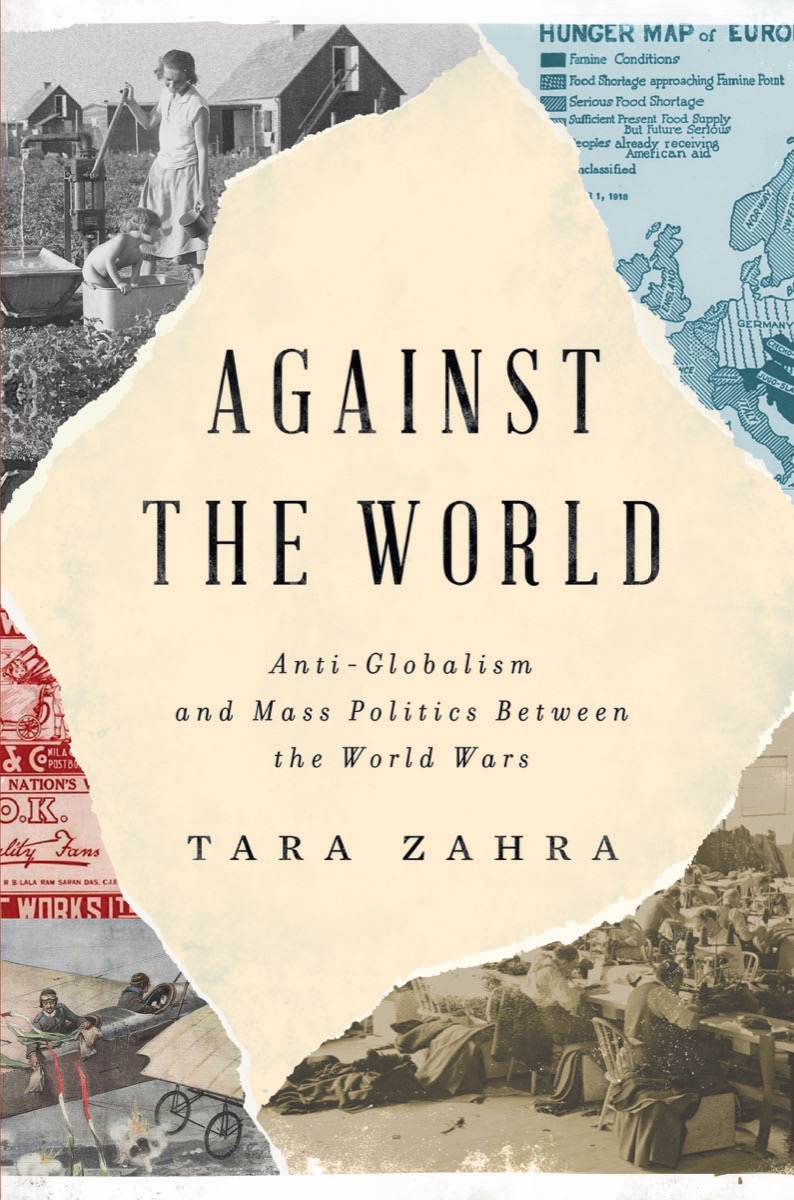
Against the World: Anti-Globalism and Mass Politics Between the World Wars
Book Description
Amidst the chaos of the interwar years, a fierce battle brews against the tides of globalism. “Against the World” unveils the rise of anti-globalism, revealing how nations grappled with identity, power, and belonging in a fractured landscape. Tara Zahra captures a riveting narrative of mass politics, where ideologies collide and leaders manipulate fear for their ambitions. Through vibrant stories of dissent and determination, the book paints a vivid picture of a world on the brink. How did the fight against globalization shape the destinies of nations, and what echoes of that struggle resonate in our modern age?
Quick Book Summary
In "Against the World: Anti-Globalism and Mass Politics Between the World Wars," Tara Zahra delves into the tumultuous period between World War I and World War II, exploring the emergence and evolution of anti-globalization movements across Europe and beyond. Zahra weaves vivid accounts of ordinary citizens, politicians, and activists reacting to global economic, political, and cultural changes. The book unpacks how anxieties over national identity, economic insecurity, and cultural homogenization galvanized resistance to international cooperation and fueled a resurgence of mass politics, populism, and protectionism. By situating these anti-globalist currents in a global context, Zahra reveals how the interwar period’s fears and conflicts left lasting imprints on contemporary politics, highlighting the cyclical nature of globalization and its discontents.






Summary of Key Ideas
Table of Contents
The Roots of Anti-Globalism in Economic and Cultural Insecurity
Zahra begins by exploring the roots of anti-globalism in the economic devastation and cultural upheaval wrought by World War I. The collapse of empires, hyperinflation, and mass unemployment created a sense of uncertainty and vulnerability among citizens and leaders alike. As global trade networks faltered and communities grappled with economic instability, fears of external threats—real or perceived—grew. These anxieties manifested in a turn away from cosmopolitan ideals and toward localism, fueling skepticism toward international cooperation and organizations like the League of Nations. This environment bred a fertile ground for anti-globalist sentiments to crystallize and spread.
Nationalism and the Politics of Identity
Central to Zahra’s narrative is the politics of identity and the resurgence of nationalism. As traditional borders dissolved and people migrated in unprecedented numbers, national identity became a rallying cry for those threatened by cultural dilution and economic displacement. Populist rhetoric drew on nostalgia for a mythical past of homogeneity and sovereignty. In countries like Germany, Italy, and Poland, leaders exploited nationalism to build support—casting internationalism as unpatriotic or even treacherous. National identity and exclusionary politics linked closely with xenophobia and antisemitism, contributing to the marginalization and scapegoating of minorities.
The Role of Mass Movements and Populist Leaders
The book also highlights how a new era of mass politics emerged during this period. Mass movements—led by charismatic figures such as Mussolini, Hitler, and other nationalist leaders—succeeded in channeling public fear and resentment into organized political action. Zahra details how radio, cinema, newspapers, and rallies became tools to mobilize broad swaths of the population. Anti-globalist agendas framed international institutions, financial markets, and cross-border migration as existential threats. Grassroots movements and authoritarian leaders alike manipulated these anxieties, promising economic security and cultural revival in exchange for support and conformity.
Interwar Policies of Protectionism and Border Control
Out of these dynamics arose protectionist policies and stringent border controls. Zahra discusses the implementation of trade tariffs, the restriction of immigration, and the creation of new barriers between states. These protectionist measures aimed to shield national economies and cultures from the perceived vulnerabilities of an interconnected world, but they often had unintended consequences, exacerbating economic depression and heightening international tensions. The drive to insulate borders facilitated the rise of autarkic regimes and furthered global instability, setting the stage for the coming conflict.
Echoes of Interwar Anti-Globalism in the Modern Era
Zahra closes by tracing the echoes of interwar anti-globalism in today’s political climate. She draws parallels between past and present, showing how the fears, policies, and populist methods of the interwar decades resurface in contemporary debates about globalization, migration, and economic integration. The legacy of this period reminds readers that anti-globalist currents are deeply rooted in moments of upheaval and anxiety, and understanding their historical context is crucial for addressing their resurgence in our own era.
Download This Summary
Get a free PDF of this summary instantly — no email required.