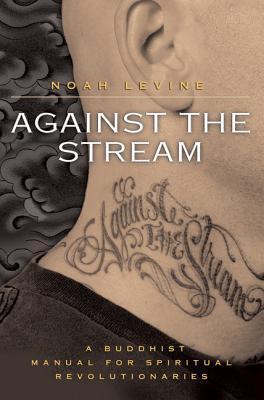
Against the Stream: A Buddhist Manual for Spiritual Revolutionaries
Book Description
Rebel against the chaos of modern life and discover the radical path to true freedom. "Against the Stream" is a provocative call to arms for spiritual revolutionaries, blending the timeless wisdom of Buddhism with the gritty realities of contemporary existence. Noah Levine challenges the norms of a distracted society, urging a deep dive into awareness, compassion, and the transformative power of meditation. Each page ignites a fierce passion for self-discovery, pushing boundaries and dismantling illusions. What if the key to your liberation lies in turning inward, risking everything to uncover the authentic self hidden beneath the surface?
Quick Book Summary
"Against the Stream" by Noah Levine offers a bold and contemporary exploration of Buddhist teachings, encouraging readers to challenge mainstream cultural values and seek a more authentic, purposeful life. Combining elements of punk ethos, mindfulness, and compassion, Levine presents Buddhism not as an escape from reality but as a method of radical engagement with it. He dismantles illusions propagated by materialism and addiction, and instead, guides readers toward inner freedom through meditation, ethical living, and nonconformity. While the book draws upon ancient practices, it is fiercely relevant to modern readers: it addresses suffering and dissatisfaction with honesty, showing that true revolution happens within one’s own mind. By going "against the stream," Levine argues, we rebel not for rebellion’s sake, but for liberation, healing, and deeper connection with ourselves and others.


Summary of Key Ideas
Table of Contents
Challenging Societal Norms and Values
Noah Levine builds his argument on the concept of spiritual revolution, positioning Buddhist practice as a form of rebellion against the prevalent values of consumerism, complacency, and distraction. Rather than conform to society’s expectations, Levine invites readers to walk the path less traveled—to go "against the stream"—by questioning the status quo and bravely confronting their own suffering. He speaks to those disillusioned by hollow promises of happiness and urges a radical shift inward. Levine’s personal background, rooted in punk rock and recovery from addiction, infuses the book with authenticity and urgency, appealing especially to those who feel marginalized or disenfranchised by traditional spiritual narratives.
The Role of Mindfulness and Meditation
Central to Levine’s message is the transformative power of mindfulness and meditation. He demystifies these practices, distancing them from esoteric or inaccessible traditions, and instead frames them as tools for everyday revolution. By cultivating awareness in the present moment, individuals can gradually disentangle themselves from cycles of craving, aversion, and ignorance. Meditation becomes a conscious act of resistance, empowering practitioners to meet their thoughts and emotions with honesty rather than denial. Levine provides accessible instructions and encouragement, making meditation a practical strategy for navigating modern chaos.
Compassion as a Revolutionary Act
Compassion, in Levine’s view, is itself revolutionary. The book stresses that developing kindness—both toward oneself and others—is not a passive or weak stance, but an active challenge to the violence, greed, and indifference that characterize society. Levine situates Buddhist ethics as a bold call to relational integrity and loving action. He emphasizes how acts of forgiveness and understanding ripple outward, dismantling the barriers that perpetuate alienation and conflict. Through stories, reflections, and ethical precepts, the reader is guided to recognize compassion as a courageous force for social and personal transformation.
Overcoming Addiction and Inner Turmoil
The author addresses addiction and emotional turmoil not merely as personal failings but as inevitable byproducts of a culture obsessed with avoidance and satisfaction. Levine explores how Buddhist tools—from the Four Noble Truths to the Eightfold Path—can help break the chains of compulsive habits and self-doubt. Drawing on his own recovery, he speaks directly to readers who are struggling, illustrating how spiritual practice can offer genuine healing and empowerment. This section resonates deeply for those who seek recovery or a way to make peace with internal struggles.
Spiritual Rebellion and Personal Transformation
Ultimately, "Against the Stream" is an invitation to personal and collective awakening. Levine asserts that real change starts with the internal revolution—facing fear, embracing uncertainty, and persistently turning inward for wisdom. By challenging destructive narratives and embodying conscious action, readers become agents of transformation within their own lives and communities. The book concludes by offering ongoing inspiration to walk this path of spiritual rebellion, ensuring that Buddhist wisdom remains dynamic, inclusive, and vitally relevant to contemporary life.
Download This Summary
Get a free PDF of this summary instantly — no email required.