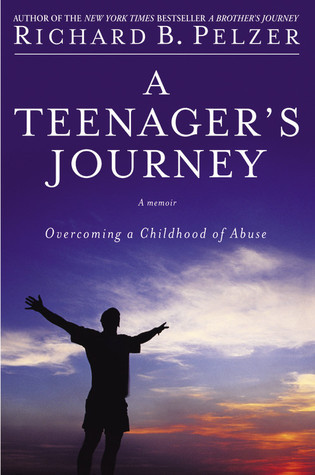
A Teenager's Journey
Book Description
Every teenager hides a story, but for Richard B. Pelzer, the truth breaks free in a haunting journey of survival and resilience. Haunted by a past marred by abuse and betrayal, he grapples with the scars that shape him, pushing against the relentless tide of despair. As friendships falter and family ties unravel, each step forward ignites a fierce battle between hope and hopelessness. This raw, unflinching memoir is a testament to the strength of the human spirit. Can one boy transform his pain into a beacon of hope, or will the darkness consume him?
Quick Book Summary
"A Teenager's Journey" by Richard B. Pelzer is a poignant and honest memoir chronicling the author's struggles through an adolescence overshadowed by severe abuse and neglect. As the younger brother of Dave Pelzer (author of "A Child Called 'It'"), Richard reveals his personal battles, the pain of growing up in a toxic family environment, and the struggle to find self-worth. The narrative details the emotional and physical toll of abuse, the erosion of his familial relationships, and his search for genuine connection and acceptance. Despite his suffering, Richard's resilience and determination to survive shine through as he strives to break the cycle of abuse and redefine his future. The book serves as both a testament to human endurance and a guide for others facing similar hardships.





Summary of Key Ideas
Table of Contents
Enduring and Surviving Abuse
Richard B. Pelzer's adolescent years are shaped by persistent abuse, both physical and emotional, at the hands of his mother. His story picks up where his brother David’s left off, focusing on how the scars of childhood trauma follow him into his teenage years. Even as his body grows, the psychological wounds fester, affecting his self-esteem and ability to trust others. The secrecy and stigma surrounding his suffering leave Richard feeling isolated and invisible, amplifying his pain.
Struggling with Self-Identity and Worth
Self-identity becomes a battleground as Richard tries to reconcile the person he is told he is with who he wants to become. Continual mistreatment and derision from his family convince him he is worthless, and he struggles to envision a future beyond survival. The sense of betrayal from those meant to protect him deepens these wounds, making it difficult for him to accept support or affection without suspicion or fear.
Impact of Betrayal and Broken Family Bonds
Family dysfunction is at the core of Richard’s turmoil. The lack of a stable support system and his mother’s manipulations create an atmosphere of confusion and mistrust. Richard’s relationships with his siblings are further strained by their collective trauma, and any attempts at reaching out are frequently met with indifference or cruelty. This further fuels a cycle of isolation and longing for a sense of belonging.
Seeking Belonging and Connection
Friendships and moments of kindness become vital touchstones in Richard’s journey. Although friendship is often tentative or fraught with complications, these connections provide glimpses of hope. Richard gradually learns to trust in small steps, drawing strength from counselors and willing confidantes. Through these interactions, he discovers he is not alone and that healing, though difficult, is possible when others offer understanding and support.
Resilience and Choosing Hope
Despite immense suffering, Richard’s unwavering determination to not let his past define his future anchors the memoir. He seeks meaning, courage, and hope through therapy, education, and eventually self-reflection. By sharing his story, Richard not only finds a measure of healing for himself but also offers inspiration to others who feel trapped by their circumstances. His journey highlights the resilience of the human spirit and the power of choosing hope over despair.
Download This Summary
Get a free PDF of this summary instantly — no email required.