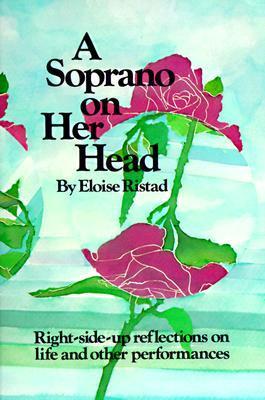
A Soprano on Her Head: Right-Side-Up Reflections on Life and Other Performances
Book Description
What happens when the world of opera collides with the trials of everyday life? "A Soprano on Her Head" by Eloise Ristad invites readers into a vibrant exploration of creativity, courage, and transformation. Through vivid anecdotes and keen observations, Ristad flips the traditional narrative of performance on its head, revealing the profound lessons that music and art can impart on personal growth. Each chapter resonates with the pulse of human experience, from vulnerability to triumph. Will the harmony of life’s challenges lead to a symphony of understanding, or will the notes fall flat?
Quick Book Summary
"A Soprano on Her Head" by Eloise Ristad is a creative and thought-provoking guide to unlocking the full potential of artistic and personal expression. Drawing from her experiences as a music teacher and performer, Ristad challenges conventional wisdom about performance by encouraging readers to embrace unconventional approaches to both music and life. Through a series of candid stories, exercises, and reflections, she demonstrates how to transform anxiety into freedom, fear into confidence, and self-doubt into discovery. The book transcends the boundaries of musicianship, offering insights applicable to anyone seeking personal growth, resilience, and self-understanding. Ristad’s unique blend of humor, empathy, and wisdom inspires readers to find harmony in their struggles and to experience life—and performance—more fully, authentically, and joyfully.


Summary of Key Ideas
Table of Contents
Breaking Free from Perfectionism
Ristad begins her exploration by analyzing the pervasive grip of perfectionism on artists and individuals. She reveals how the anxiety to achieve flawlessness often stifles growth and joy. Through vivid anecdotes, Ristad demonstrates how letting go of the fear of mistakes creates the space for genuine expression and discovery. She argues that the moments when we feel out of control or unpolished—“on our head”—are opportunities for the greatest learning and transformation, both on stage and off.
Harnessing Creativity through Play and Experimentation
A major theme of the book revolves around the power of play and experimentation in unleashing creativity. Ristad encourages readers to step outside rigid routines and approach their craft with childlike curiosity. She shares practical exercises that upend traditional methods—such as singing while standing on one’s head—to shift perspective and break mental blocks. These playful strategies promote self-awareness and joy, fostering an environment in which creativity can thrive without fear of judgment.
Overcoming Fear and Self-Consciousness
Confronting fear and self-consciousness is another central concern. Ristad normalizes performance anxiety, framing it as a universal part of the artistic journey. She offers empathetic guidance for transforming nerves into energy that fuels performance rather than hinders it. Through mental reframing and supportive exercises, she shows how to build resilience and confidence by embracing vulnerability, thus empowering readers to face both artistic and personal challenges courageously.
Integrating Mind, Body, and Emotions in Performance
Ristad delves into the importance of integrating the mind, body, and emotions in the act of performing. She illustrates how genuine artistry emerges when technical skill, emotional expression, and physical presence are aligned. Techniques such as mindful breathing, relaxed movement, and emotional attunement form the core of her approach, enabling a holistic connection to one’s craft. This synthesis not only elevates artistic performance but also fosters deeper self-understanding.
Translating Artistic Lessons to Everyday Life
The insights gleaned from music and performance, Ristad insists, are equally powerful when applied to everyday life. She draws parallels between artistic growth and personal development, suggesting that the lessons of courage, adaptability, and self-compassion can transform relationships, workplaces, and personal goals. By viewing life as an ongoing performance, readers are encouraged to embrace mistakes as learning opportunities, pursue authenticity over approval, and cultivate a lasting sense of joy and freedom.
Download This Summary
Get a free PDF of this summary instantly — no email required.