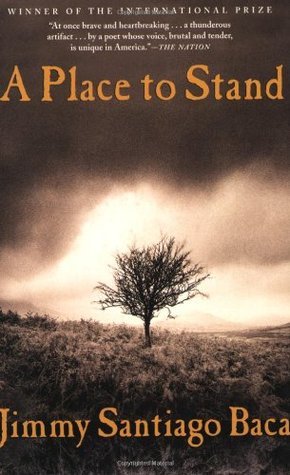
A Place to Stand
Book Description
Caught in a relentless storm of violence and despair, a young man finds himself entangled in the harsh reality of prison life, stripped of his freedom yet refusing to let his spirit be broken. As he grapples with betrayal and loss, he stumbles upon an unexpected passion for poetry, discovering a powerful voice that transcends his grim surroundings. With each written word, he fights back against the world that seeks to define him. Can creativity truly serve as a lifeline in a place designed to break souls?
Quick Book Summary
A Place to Stand by Jimmy Santiago Baca is a powerful memoir chronicling the author’s journey from an abusive childhood and troubled adolescence to a harrowing incarceration in an American prison. Through isolation, violence, and despair, Baca finds himself pushed to the brink, but refuses to let prison conditions erase his identity. Unexpectedly, Baca discovers the solace and transformative power of language and poetry while behind bars. Literacy becomes his sanctuary and way of reclaiming dignity, allowing him to process pain, connect with others, and resist the dehumanizing environment. Ultimately, the memoir is a testament to the resilience of the human spirit and the redemptive power of creativity and self-expression, even in the bleakest circumstances.


Summary of Key Ideas
Table of Contents
Enduring Trauma and Loss
Jimmy Santiago Baca’s early life was marked by instability, abandonment, and poverty in rural New Mexico. Born into a broken home with absent parents, Baca experienced foster care, violence, and a lack of belonging or stability. This rootless existence, compounded by prejudice and poverty, led him into petty crime and ultimately, to the criminal justice system. Baca’s early trauma left him emotionally scarred and struggling with anger and alienation.
The Prison System and Its Dehumanizing Effects
Prison proved to be an unforgiving environment, exacerbating Baca’s feelings of isolation and rage. The system reinforced cycles of violence and dehumanization, offering little hope for rehabilitation. Amid betrayal by acquaintances and further violence, Baca faced the crushing reality of solitary confinement and the constant threat of brutality. These conditions could have easily broken his spirit, as they were designed to do, but instead deepened his introspection.
Discovery and Power of Literacy and Poetry
In the depth of his despair, Baca discovered a burning need to communicate and connect. He began to teach himself to read and write. Letters and poetry became his lifeline, providing structure and meaning in the chaos of prison life. Writing allowed Baca to process trauma and envision a life beyond his immediate suffering. The act of self-education and expression empowered him and offered a sense of agency that prison tried to strip away.
Redemption Through Self-Expression
Poetry, in particular, became Baca’s path to redemption. His words enabled him to articulate pain, beauty, and resilience, forging a voice that resisted institutional suppression. Through verse, he connected with other inmates and the outside world, receiving recognition and entering into correspondence with writers. This newfound identity as a poet transformed his self-image and brought hope amid desperation.
Resilience and Transformation
By chronicling his journey, Baca’s memoir illuminates the resilience necessary to survive profound adversity. His story is not just about personal salvation but also serves as an indictment of a system that overlooks the humanity of its prisoners. Ultimately, A Place to Stand illustrates how even in an environment designed to crush hope, creativity and connection can inspire growth, healing, and dignity.
Download This Summary
Get a free PDF of this summary instantly — no email required.