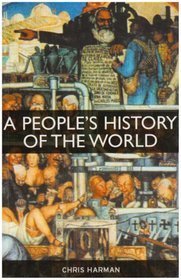
A People's History of the World
Book Description
History isn’t just the tale of kings and battles—it’s the heartbeat of everyday people rising up against oppression. In "A People's History of the World," Chris Harman weaves a gripping narrative that reveals the unsung struggles and triumphs of those who shaped society from the shadows. Each chapter unfolds a powerful story of resistance, showing how ordinary lives intertwined to challenge the powerful. From revolutions to rebellions, the fight for justice pulses through every page. What if the real story of humanity lies not in the grand events, but in the relentless spirit of those who dared to change the world?
Quick Book Summary
"A People's History of the World" by Chris Harman offers a sweeping alternative account of world history, centered on the lived experiences and struggles of ordinary people. Rather than focusing on rulers and elites, Harman traces the development of society through class struggles, grassroots movements, and popular uprisings—from early communal societies through the transformative revolutions that shaped the modern age. Harman highlights how oppressed groups, workers, and commoners have persistently challenged the structures of power, seeking justice, equality, and better living conditions. His narrative brings to light the resilience and courage of those historically excluded from mainstream histories, ultimately advocating for a deeper understanding of the social forces that drive change, and the ongoing potential for collective action.


Summary of Key Ideas
Table of Contents
Class Struggle as the Engine of History
Harman begins by challenging conventional narratives that glorify monarchs, generals, and elites, instead placing the experiences of ordinary people at the center of historical development. He traces early human societies, emphasizing how communal living and cooperation were later disrupted by the emergence of class divisions and hierarchical structures. As agricultural productivity increased, so did social stratification, setting the stage for cycles of oppression and resistance. This foundational perspective helps readers see history as the cumulative record of collective human agency, not merely the decisions of the powerful.
The Impact of Revolutions and Upheavals
As Harman moves through ancient and medieval history, he focuses on the recurring theme of class struggle. He examines how systems such as slavery, feudalism, and nascent capitalism all depended on the exploitation of the majority by a privileged minority. However, Harman emphasizes the constant pushback from those oppressed by these systems: slave revolts, peasant uprisings, and popular movements disrupted and sometimes dismantled entrenched power structures. These conflicts, though often suppressed, sowed the seeds for future change.
The Role of Ordinary People in Social Change
Industrialization and the rise of capitalism in the modern era receive significant attention. Harman highlights the transformative effect of urbanization, wage labor, and new technologies on everyday lives. However, the concentration of wealth and power in the hands of a few led to pronounced social inequalities. The book devotes much discussion to the emergence of labor movements, socialist ideas, and revolutionary upheavals—especially the revolutions in France, Russia, and other hotspots—that fundamentally challenged the prevailing order and expanded political participation.
Interplay Between Economic Systems and Political Power
Throughout, Harman illustrates the interconnectedness of economic systems with broader social and political dynamics. He explores how economic crises, wars, and technological breakthroughs repeatedly alter the balance between oppressors and the oppressed. Yet, underlying these shifts is the persistent resilience and adaptability of ordinary people. Harman pays homage to grassroot leaders, organizers, and everyday participants whose courage and solidarity accelerated progress and inspired successive generations.
Continuity of Resistance Against Oppression
The book concludes by examining the late 20th and early 21st centuries, underscoring that resistance to injustice remains a defining aspect of the human experience. Harman reflects on contemporary movements against globalization, austerity, and authoritarianism, demonstrating the continued relevance of people-powered change. Ultimately, "A People's History of the World" calls on readers to recognize their potential role in shaping history—not as passive observers, but as active agents in the ongoing struggle for a fairer world.
Download This Summary
Get a free PDF of this summary instantly — no email required.