
A People's History of American Empire
Book Description
A thrilling ride through the shadows of power and resistance, "A People's History of American Empire" unveils the untold stories of those who fought against the tide of domination and exploitation. With riveting accounts and startling revelations, this gripping narrative takes you from the frontline of struggles to the halls of political intrigue, revealing how ordinary people challenged the sinuous grip of imperial ambition. Experience the clash of ideals, the rupture of communities, and the burning desire for justice that ignited movements across generations. What sacrifices were made in the name of freedom, and who truly writes history?
Quick Book Summary
"A People's History of American Empire" is a graphic narrative that reframes the history of the United States through the lens of imperialism, focusing on the voices of the marginalized and the resistance they mounted against the machinery of empire. Adapting Howard Zinn's classic people's history into a visually engaging format, Paul Buhle, with Mike Konopacki’s illustrations, spotlights pivotal yet often overlooked episodes—such as the conquest of Native Americans, the wars in the Philippines, Central America, and the Middle East—in which ordinary people challenged expansionism and exploitation. The book highlights betrayals, acts of courage, and the unceasing quest for justice as it exposes how U.S. policies, both at home and abroad, have been shaped by power struggles and grassroots activism. By amplifying suppressed voices and exploring the costs of empire, this volume encourages readers to question whose stories are told in official histories and inspires reflection on current social and political realities.
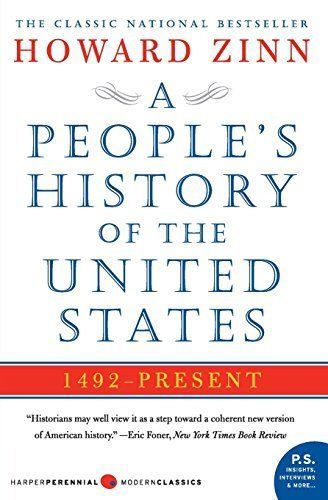
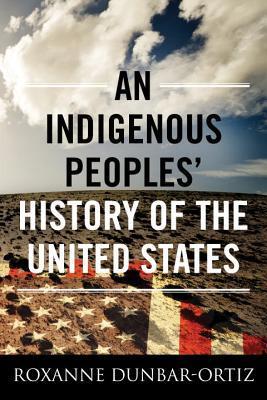


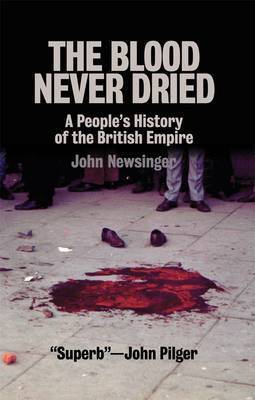
Summary of Key Ideas
Table of Contents
Resistance to Empire and Colonialism
Beginning with the aftermath of the Civil War, the book explores how America rapidly shifted its gaze outward, justifying westward expansion and global interventions as a moral duty as well as a quest for resources and power. The brutal suppression of Native Americans, the conquest of overseas territories like the Philippines and Puerto Rico, and interventions in Latin America are depicted with candor, showing how ordinary soldiers and civilians often bore the brunt of imperial ambitions. The narrative underscores how governmental rhetoric cloaked these campaigns as liberatory, while in reality advancing corporate and political interests.
Grassroots Movements and Working-Class Struggles
The authors shine a light on grassroots resistance: from anti-imperialist leagues and union strikes to antiwar protests during conflicts like Vietnam and Iraq. These accounts focus on the agency of marginalized groups—workers, minorities, women—who organized against injustice at home and abroad. Through striking visuals, the book illustrates how dissent was met with violence, surveillance, and smear campaigns, and how protest shaped both policy and public consciousness, even as official histories omitted these stories.
Racism, War, and the Costs of Expansionism
A recurring theme is the role of racism and propaganda in justifying expansion and war. The narrative describes the demonization of "the other" to manipulate public opinion and marginalize critics, while linking militarism abroad to social injustice and repression at home. The book pairs past examples—such as anti-Chinese sentiment, Jim Crow laws, and red-baiting—with more recent instances, showing the continuity of exclusion and resistance throughout American history.
Media, Propaganda, and Shaping Public Opinion
The authors dissect the collaboration between powerful interests and mainstream media in shaping narratives, feeding the national appetite for expansion while silencing inconvenient truths. The graphic format underscores how heroic myths obscure the violence that accompanied empire-building, encouraging critical reading of both headlines and history books. This analysis lays bare the mechanisms through which information has been manufactured to serve imperial agendas.
Reclaiming History Through Marginalized Voices
Ultimately, "A People's History of American Empire" is not merely a chronicle of oppression—it is a call to remember and honor the struggles of ordinary people. The book closes by arguing that history must be reclaimed through the stories of those who fought back, making clear that the ongoing battles against war, racism, and exploitation are grounded in the legacies of previous generations. This vibrant retelling empowers readers to question dominant narratives and recognize their own potential as agents of change.
Download This Summary
Get a free PDF of this summary instantly — no email required.