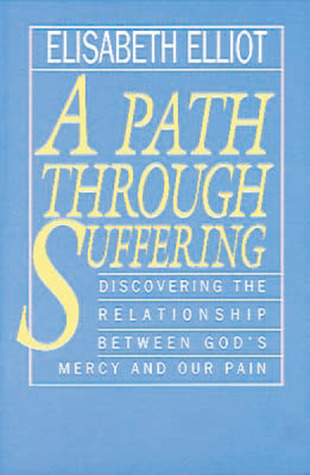
A Path Through Suffering: Discovering the Relationship Between God's Mercy and Our Pain
Book Description
What if your deepest pain held the key to profound mercy? In "A Path Through Suffering," Elisabeth Elliot unveils the transformative power of suffering as a pathway to encounter God's relentless grace. Through gripping anecdotes and poignant insights, she explores how adversity shapes faith, revealing mercy in the most unexpected moments. Heart-wrenching yet hopeful, this book invites readers to confront their own struggles while discovering a divine purpose woven through hardship. Can embracing suffering lead to unimaginable healing and renewal? Dive into this inspiring journey and find out how pain can illuminate the way to mercy.
Quick Book Summary
"A Path Through Suffering" by Elisabeth Elliot delves into the profound relationship between human pain and God's mercy, suggesting that suffering is not simply to be endured but can become a meaningful tool for spiritual growth. Drawing from her personal experience, biblical narratives, and stories from others, Elliot encourages readers to reframe their understanding of hardship. She argues that adversity, rather than separating us from God, can become a channel for His grace, teaching us lessons of dependence, patience, and transformation. The book offers hope for those struggling with grief or challenges, encouraging them to seek God amidst pain. Through surrender and openness, readers may discover deep healing and renewal, finding that mercy and suffering are intricately linked.


Summary of Key Ideas
Table of Contents
Redefining Suffering Through Faith
Elisabeth Elliot opens by challenging the commonly held belief that Christians should expect a painless life. She uses her own trials and the hardships faced by well-known biblical figures to introduce the idea that suffering is an integral, yet often misunderstood, part of the faith journey. Elliot reframes suffering, not as punishment or something to escape, but as an invitation to deeper intimacy with God. Through her honest and compassionate tone, she invites readers to be honest about their pain and allow it to become a bridge rather than a barrier to spiritual growth.
The Role of Surrender in Pain
A significant portion of the book dwells on the concept of surrender. Elliot asserts that the path to true healing begins not by resisting pain, but by yielding to it under God's care. She draws on imagery of nature—seeds breaking to give life, winter precedes spring—to illustrate that surrender in seasons of loss or difficulty is both natural and necessary. In practical terms, she offers guidance for relinquishing one's own expectations and control, emphasizing that this surrender is an act of trust in God's greater wisdom and love.
Discovering Mercy Within Hardship
The experience of mercy in the midst of hardship emerges as a central theme. Elliot recounts poignant anecdotes from her life and from scripture to show how God frequently meets His people at their lowest points. She underscores that mercy does not always arrive in the form we expect—sometimes, it is found in strength to endure, an unexpected kindness, or a newfound capacity for empathy. By recognizing these moments of grace, even during affliction, believers can begin to understand God's redemptive purposes behind their pain.
Transformation Through Adversity
Transformation is portrayed as the fruit of walking through adversity with faith. Elliot explores the ways suffering shapes and molds character, producing patience, humility, and compassion. She challenges the reader to see difficulties as opportunities for growth, both personally and in their relationships with others. Her perspective suggests that nothing is wasted in God's economy; every moment of sorrow or confusion has the potential, when offered back to Him, to become a stepping stone toward spiritual maturity and service.
Hope and Renewal Beyond Grief
Ultimately, the book concludes with a message of hope and renewal. Elliot reassures readers that enduring pain is not the end of the story, but rather, can be the beginning of a deeper, richer faith. Drawing on the resurrection as the ultimate example of life emerging from suffering, she encourages believers to face their own trials with courage, knowing that God is present and active, weaving mercy through every circumstance. Through this lens, suffering becomes not meaningless but a path toward wholeness and the discovery of God's relentless grace.
Download This Summary
Get a free PDF of this summary instantly — no email required.