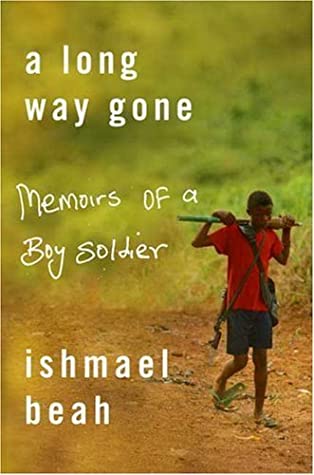
A Long Way Gone: Memoirs of a Boy Soldier
Book Description
A young boy's laughter echoes through the emerald forests of Sierra Leone, but darkness looms on the horizon as war tears his world apart. Ishmael Beah’s riveting memoir plunges into the harrowing journey of survival, lost childhood, and the fight to reclaim humanity amid chaos. Fueled by adrenaline and fear, the story unfolds through the eyes of a child soldier, revealing the sheer horror and resilient hope woven into his existence. With every page, the stark realities of conflict transcend borders, inviting readers to confront the true cost of war. Can the spirit of a child endure even the harshest of circumstances?
Quick Book Summary
"A Long Way Gone: Memoirs of a Boy Soldier" is Ishmael Beah’s powerful recollection of his experiences as a child caught in the horrors of Sierra Leone’s civil war. At twelve years old, Beah’s peaceful life is shattered when rebels attack his village. Forced to flee, he endures harrowing losses, hunger, and constant peril. Eventually, Beah is coerced into becoming a boy soldier, where he becomes both a witness and participant in the brutality of war. The memoir traces his journey through indoctrination, violence, and trauma, but also through the painstaking process of rehabilitation and recovery. Ultimately, Beah’s story illuminates the resilience of the human spirit and the possibility for healing even after unimaginable suffering, offering an urgent, deeply personal perspective on the true cost of conflict.



Summary of Key Ideas
Table of Contents
Loss of Innocence and Childhood
Ishmael Beah’s memoir opens in the tranquil forests of Sierra Leone, where his early life is filled with friendship, music, and family. This innocence is shattered overnight when rebels invade his village, forcing Beah and his friends into a fight for mere survival. With homes destroyed and family missing, the boys wander from village to village in desperate search of safety, haunted by constant danger and hunger. Fear and the raw need to survive become their daily companions, foreshadowing the profound loss of childhood and security that lies ahead.
The Impact of War on Identity and Humanity
As the war intensifies, Beah is forcibly recruited as a child soldier by government forces. Entrenched in a world of violence, drugs, and indoctrination, he is compelled to commit acts he scarcely comprehends. The trauma of war transforms Beah and others, blurring the lines between innocence and guilt. Survival becomes synonymous with brutality, and the memories of his former life fade as he becomes entrenched in the relentless routines of the army.
Trauma and the Struggle for Rehabilitation
Beah’s path takes a shift when he is chosen for rehabilitation by UNICEF. The slow, painful process of healing reveals the depth of psychological and emotional damage inflicted upon the child soldiers. Through therapy and genuine human connection, especially with his nurse Esther and extended family members, Beah begins to confront his trauma and reclaim fragments of his lost identity. This section of the memoir underscores the immense challenge of reintegration and the enduring scars of war.
Hope, Redemption, and Forgiveness
Hope gradually surfaces as Beah embraces education and storytelling, finding solace and purpose in sharing his experiences. He eventually gains asylum in the United States, where he channels his pain into advocacy for children affected by war. His journey demonstrates the resilience of the human spirit in the face of overwhelming adversity and illustrates how personal redemption and forgiveness are possible, even after unspeakable suffering. Beah’s story ultimately serves as a call to action for empathy and humanitarian support worldwide.
Download This Summary
Get a free PDF of this summary instantly — no email required.