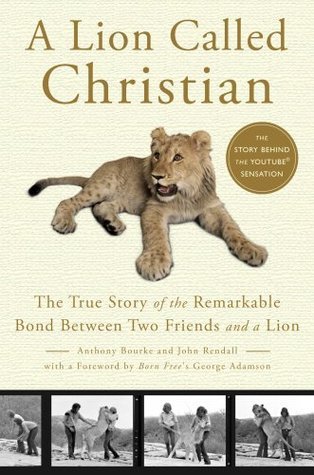
A Lion Called Christian: The True Story of the Remarkable Bond Between Two Friends and a Lion
Book Description
Two friends embark on a breathtaking journey that defies the boundaries of friendship and nature when they rescue a lion cub named Christian. The heartwarming bond they share is tested as they face the wild realities of nurturing a creature so majestic and free. With the call of the African savanna drawing Christian back to his roots, will love conquer the wild and rewrite the rules of companionship? Witness an unforgettable story of loyalty, courage, and the unbreakable spirit of connection that proves the wildest of hearts can lead to home. What truly defines friendship—time, distance, or the heart's echo?
Quick Book Summary
A Lion Called Christian chronicles the extraordinary journey of two Australian friends, Anthony Bourke and John Rendall, who rescue a lion cub from a London department store in the late 1960s. Bringing Christian into their home above a furniture shop, they experience the logistical and emotional challenges of raising a wild animal in urban England. Their bond with Christian deepens, revealing the universal power of love and trust. As Christian grows, it becomes clear he belongs in the wild, prompting the friends to orchestrate his reintroduction into the African savanna. The book is a heartfelt exploration of the boundaries of friendship, the responsibility of care, and the enduring connection between humans and animals.




Summary of Key Ideas
Table of Contents
Unconventional Bonds Between Humans and Animals
Anthony Bourke and John Rendall's fateful visit to a London department store in 1969 sets the stage for a remarkable story. Struck by the sight of a young lion cub for sale in Harrods, the duo is compelled to rescue him from a future likely spent in captivity. They name him Christian and decide to raise him in their home above a furniture shop on King’s Road. The book narrates the initial awe and joy, as well as the confusion and logistical challenges of caring for a wild animal in a bustling metropolis, where walks in parks and drives around the city forge a trio inseparable by conventional boundaries.
Responsibility and Ethical Care for Wild Creatures
As Christian grows into a majestic young lion, so too does the emotional bond with his adoptive owners. The memoir illustrates not just affection and playfulness, but also anxiety as Christian’s natural instincts emerge. Anthony and John are forced to confront the ethical dilemmas of keeping a wild animal in a domestic space. Their reflections on responsibility and the realization that Christian deserves a life true to his nature encourage thoughtful consideration on the rights and welfare of all animals, particularly those displaced from their natural habitats.
The Challenge of Letting Go
Ultimately, the friends face the emotional upheaval of letting Christian go. With the help of conservationist George Adamson, Christian's relocation to Kenya is arranged so he can learn to live among his own kind. The narrative powerfully explores themes of love intertwined with loss, as Anthony and John prioritize Christian’s well-being over their own attachment. The process of rewilding—Christian’s adaptation to the African wilderness—proves both challenging and inspiring, as the authors recount setbacks and small triumphs in Christian's journey toward independence.
Reunion and the Power of Memory
A pivotal moment arrives when Bourke and Rendall return to Kenya a year later, uncertain whether Christian will recognize them following his transition to the wild. Their profound reunion, immortalized in video, reveals the persistence of memory and affection across species and environments. Christian’s enthusiastic welcome shatters expectations about animal emotions and the durability of bonds that defy logic or explanation, leaving a lasting impression on readers about the nature of connection.
Redefining Home and Belonging
In the aftermath, the story endures as an exploration of belonging, both for Christian and his human friends. The authors reflect on what home truly means in a world where distance and change are constant. While Christian’s journey is unique, the lessons about responsibility, compassion, and the courage to let go resonate universally. Ultimately, A Lion Called Christian celebrates the breathtaking potential of friendship beyond boundaries and the unbreakable spirit that links all living beings.
Download This Summary
Get a free PDF of this summary instantly — no email required.