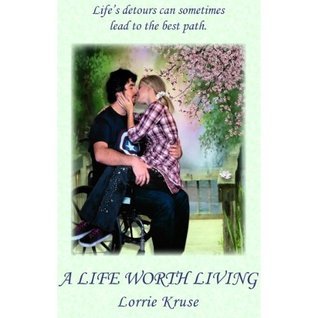
A Life Worth Living
Book Description
Can love thrive amidst the ashes of tragedy? In 'A Life Worth Living,' Lorrie Kruse dives deep into a world where fleeting moments of joy clash with the haunting echoes of loss. Characters grapple with their pasts while forging powerful connections and uncovering unexpected truths that challenge their very existence. With every page turned, tension rises and heartbeats quicken as they confront heart-wrenching choices that could either bind them together or tear them apart. Will they find the strength to embrace the life they’ve been given, or will fear keep them shackled to the shadows?
Quick Book Summary
"A Life Worth Living" by Lorrie Kruse is a poignant exploration of love, resilience, and healing set against the backdrop of personal tragedy and disability. The story follows characters on intertwined journeys as they navigate the aftermath of devastating losses, confronting deep-seated fears and vulnerabilities. As the protagonists struggle with their pasts, they slowly forge meaningful connections that challenge their perceptions of themselves and their possibilities for happiness. Kruse deftly examines how fleeting joy coexists with sorrow, and how vulnerability can become a source of unexpected strength. Through emotional challenges, romantic entanglements, and decisions that threaten to either heal or fracture, the characters ultimately search for hope and meaning in lives marked by change—a compelling testament to the enduring human spirit.






Summary of Key Ideas
Table of Contents
Resilience in the Face of Loss
The story opens by immersing readers in the aftermath of life-altering tragedy. The central characters, each haunted by personal loss, are forced to reevaluate the trajectory of their futures. The presence of disability shapes daily realities, infusing routines with both obstacles and opportunities for growth. Despite tangible and emotional limitations, the characters are determined not to be defined by their trauma. Instead, they must learn new ways to interact with the world and with themselves, reflecting the deep resilience necessary to carry on after everything has changed.
The Transformative Power of Connection
As the narrative unfolds, unexpected relationships form in the crucible of shared pain. These connections, initially tentative, serve as lifelines and sources of strength. Through conversations, acts of kindness, and shared vulnerability, the characters slowly learn to trust and rely on one another. Kruse explores how romantic attraction is complicated by fear of rejection or dependency, yet also how it provides a pathway to healing. The evolving bonds highlight the profound impact that emotional intimacy can have, even—or perhaps especially—in moments of profound uncertainty.
Challenges and Realities of Living with Disability
The depiction of disability is central to the story’s fabric. The characters confront both visible and invisible barriers: societal misconceptions, physical limitations, and their own internalized doubts. Kruse does not minimize these challenges but instead portrays them with nuance and honesty. The story showcases the day-to-day realities of living with disability, from difficulties with mobility or self-care to navigating public spaces and relationships. Through these depictions, the novel fosters empathy and questions preconceived notions about what constitutes a “worthwhile” life.
Navigating Vulnerability and Trust
Themes of vulnerability and trust are threaded throughout the narrative. The protagonists wrestle with revealing their true selves, acutely aware that openness can invite pain as well as acceptance. The risks inherent in loving again, and in exposing scars both physical and emotional, are significant. Kruse’s portrayal of this emotional landscape is detailed and compassionate, conveying the courage it takes to reach beyond self-imposed walls. Moments of doubt, retreat, and tentative advance capture the complexity of forging authentic connections after trauma.
Redefining Hope and Identity
Ultimately, the novel contemplates what it means to rebuild a life marked by profound loss. The characters confront pivotal choices that challenge them to either cling to old pain or embrace new beginnings. Through their individual and collective journeys, they rediscover purpose—and the possibility of hope—despite enduring uncertainty. "A Life Worth Living" suggests that true healing is neither simple nor linear, but it is possible when people face their fears, accept support, and allow themselves to hope anew.
Download This Summary
Get a free PDF of this summary instantly — no email required.