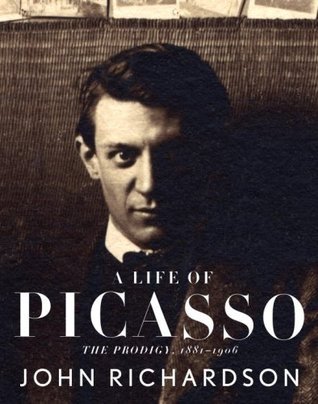
A Life of Picasso, Vol. 1: The Prodigy, 1881-1906
Book Description
A young Spanish boy bursts onto the world stage, wielding brush and color like a magician conjuring worlds. As the prodigy Picasso transforms from a delicate talent into a bold innovator, witness the whirlwind of genius, passion, and ambition that surrounds him. Amidst love affairs, artistic rivalries, and the struggle for recognition, Picasso’s journey reveals the raw tensions between tradition and rebellion. Follow the man who dared to dream differently, pushing boundaries that would change art forever. What sacrifices are made when one is destined to break all the rules?
Quick Book Summary
"A Life of Picasso, Vol. 1: The Prodigy, 1881-1906" by John Richardson provides an intimate, richly detailed look at Pablo Picasso’s early years. Covering his life from childhood in Málaga to his arrival in Paris at the dawn of the twentieth century, the biography delves into Picasso’s exceptional artistic development and personal entanglements. Richardson paints a vivid portrait of the cultural and familial influences that shaped Picasso, including his father’s mentorship and the lush visual culture of Spain. The book explores Picasso’s early successes and his relentless drive to innovate, often at great personal cost. Through encounters with artists, lovers, and critics, young Picasso emerges as a visionary—impatient with tradition, rebellious, and fiercely determined to forge a new path. The volume sets the foundation for understanding not just the artist, but the essence of a prodigy destined to reshape the art world.



Summary of Key Ideas
Table of Contents
The Role of Family and Spanish Heritage
Picasso’s journey begins in Málaga, Spain, a childhood marked by the early recognition of his prodigious talent. His father, an artist and art teacher, nurtures his skills, facilitating Picasso’s technical foundations and academic training. But the influence of his native Spain—its festivals, vivid colors, and traditions—provides more than technique; it becomes the emotional and symbolic underpinning of his early works. Growing up amid the artistic richness and social divisions of late nineteenth-century Spain, Picasso internalizes both a reverence for tradition and a restless urge to transcend it.
Emergence of Artistic Genius
As an adolescent, Picasso rapidly outpaces his teachers at art academies in Barcelona and Madrid. Driven by ambition and dissatisfaction with rigid academic norms, he explores radical new styles. Early successes in student exhibitions signal his burgeoning genius, yet he remains unsatisfied with merely following in the footsteps of the old masters. His encounters with the avant-garde, both in Spain and later in Paris, push him further toward innovation. Richardson details these pivotal years, highlighting Picasso’s fearless experimentation with form, subject matter, and technique.
Navigating the Art World and Rivalries
Picasso’s personal life during this period is equally tumultuous and influential. He forms intense friendships with fellow artists, poets, and bohemians, notably in the Barcelona café scene that fosters his creative spirit. Romantic entanglements bring both inspiration and emotional turmoil. Amidst rivalry and camaraderie, Picasso negotiates the competing demands of intimacy and his all-consuming drive to create. The losses and heartbreaks he experiences, including the death of close friends, infuse his art with gravity and emotional depth, foreshadowing later periods like the Blue Period.
Personal Struggles and Sacrifices
His move to Paris in the early 1900s marks a defining transition. Paris is the epicenter of modern art, a crucible for debate and challenge. Here, Picasso grapples with poverty and alienation while pushing his art toward bolder, more abstract forms. He confronts artistic rivals and skeptics, constantly testing the boundaries of recognition and disdain. Nevertheless, Picasso’s ability to assimilate diverse influences—from Toulouse-Lautrec to African sculpture—sets him apart as an artistic innovator of rare vision and confidence.
Rebellion Against Tradition
Throughout this formative period, Picasso is portrayed as both shaped by and in conflict with tradition. Richardson reveals a portrait of an artist compelled to break rules and forge new artistic identities, often at personal risk. The volume closes as Picasso stands on the threshold of modernism, having already made sacrifices and choices that would define his revolutionary career. The seeds of genius and rebellion planted in his youth promise the seismic changes soon to come in the art world.
Download This Summary
Get a free PDF of this summary instantly — no email required.