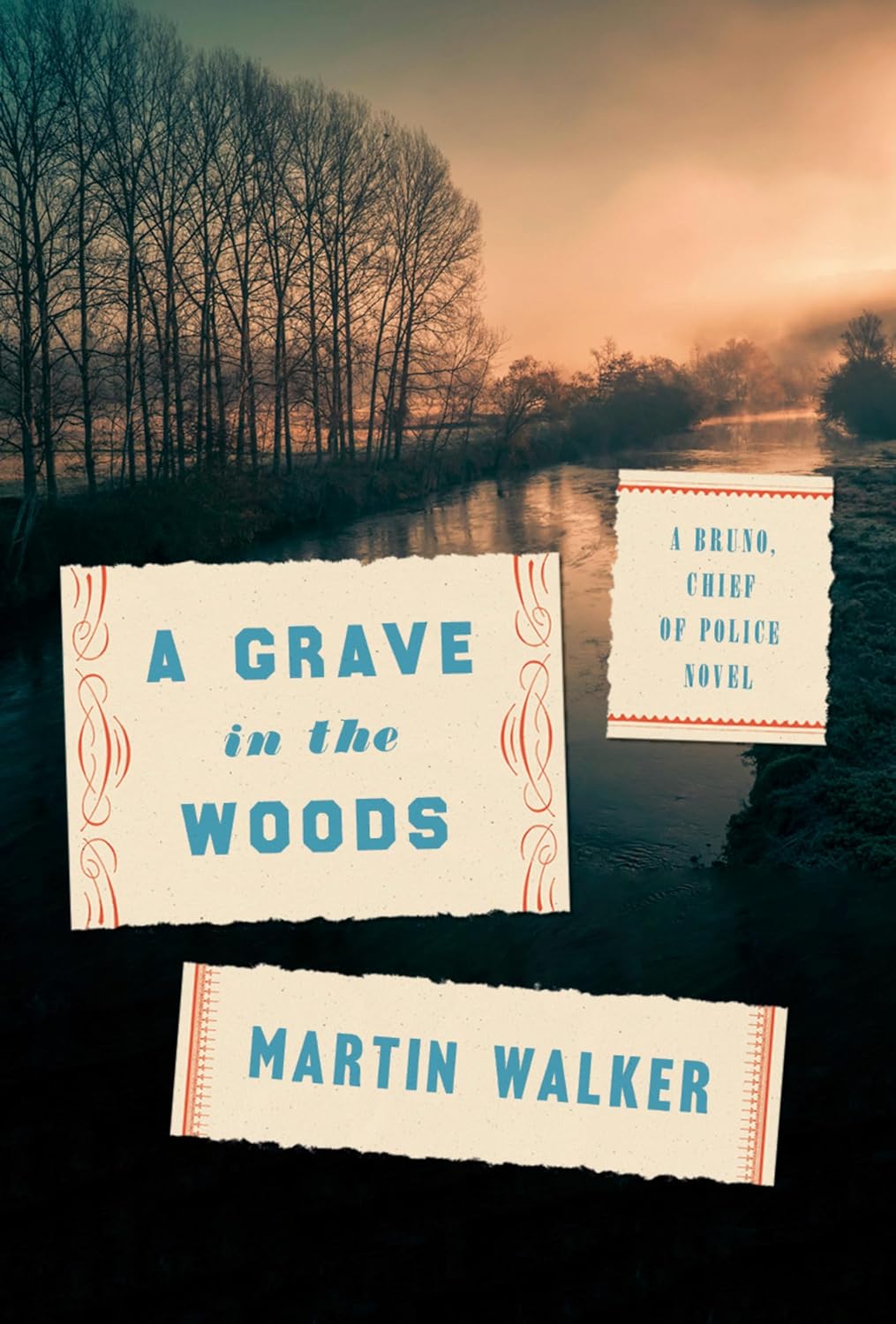
A Grave in the Woods
Book Description
Beneath the tranquil surface of a quaint French village lies a mystery that could shatter lives. When a local finds a long-forgotten grave deep in the woods, secrets buried for decades begin to unravel, revealing a tangled web of betrayal, love, and revenge. As the townspeople grapple with their dark pasts, tensions rise and loyalties fracture. The enticing aroma of regional cuisine belies the impending chaos that threatens to engulf them all. Who will risk everything to uncover the truth, and what will be lost in the pursuit of justice? Can the past ever be left undisturbed?
Quick Book Summary
"A Grave in the Woods" by Martin Walker delves into the heart of a seemingly idyllic French village, where the accidental discovery of a concealed grave shatters the serenity of daily life. The protagonist, a sharp-witted local detective, is thrust into an intricate investigation as decades-old secrets rise to the surface. As suspicion brews among residents, personal relationships are tested, and simmering tensions ignite. The novel masterfully entwines the deep-rooted bonds of the community with the undercurrents of betrayal and revenge. Against the backdrop of rural France's scenic beauty and culinary delights, the story explores how the pursuit of truth comes with a steep personal and communal cost, forcing everyone to confront whether the past can ever truly be left behind.






Summary of Key Ideas
Table of Contents
Small-Town Secrets and the Weight of History
When a villager stumbles upon an old, unmarked grave in the dense woods bordering a sleepy French town, the finding sends ripples through the community. The tranquility of village life is quickly disturbed as whispers of forgotten crimes and unresolved feuds begin to circulate. The local detective, known both for his empathy and keen sense of intuition, is tasked with unraveling the grave’s secrets. As he delves deeper, layers of village history emerge, illuminating long-standing animosities and relationships shaped by bygone events, many still unresolved.
Community and Personal Loyalties
The unfolding investigation reveals that many villagers harbor secrets, some personal, others embedded deep within family histories. Suspicions mount as buried betrayals and old grievances are illuminated by the detective’s probing. Loyalties fracture under the weight of revelations, with friendships and families tested as individuals must decide whether to protect loved ones or expose old wrongdoings. The interconnectedness of villagers means every discovery reverberates widely, dredging up pain but also opportunities for long-delayed healing.
The Price of Truth and Justice
Throughout, Walker showcases the rich rural culture of the French countryside, integrating vivid descriptions of communal gatherings, local markets, and traditional cuisine. This deeply immersive setting provides a stark contrast to the tension and unease mounting beneath the surface. The sense of place is not merely decorative; it becomes a character in its own right, influencing the pace and tone of the investigation and shaping the villagers’ responses to crisis.
Rural French Atmosphere and Culture
The pursuit of truth comes at a high price, disrupting the village’s fragile peace. As the detective edges closer to identifying the victim and the perpetrator, he is forced to weigh justice against compassion. The community struggles with the painful balancing act between confronting uncomfortable truths and maintaining cohesion. Ultimately, the novel poses difficult questions: Is it better to let sleeping dogs lie, or must justice be served at all costs? Each character must grapple with the consequences of what is uncovered.
The Impact of the Past on the Present
By the conclusion, the impact of the past on the present is undeniable. The grave in the woods serves as a powerful metaphor for the way secrets linger beneath the surface, shaping lives in ways both overt and subtle. Walker’s narrative reinforces that history cannot be so easily buried, and the quest for resolution—whether achieved or not—demands courage, sacrifice, and ultimately, acceptance. The story lingers as a meditation on memory, community, and the redemptive, if painful, power of truth.
Download This Summary
Get a free PDF of this summary instantly — no email required.