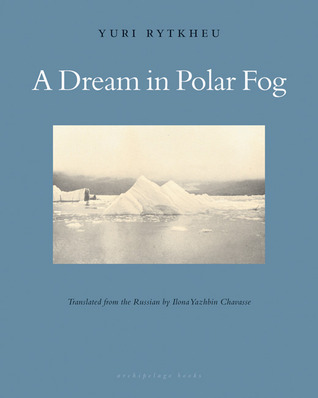
A Dream in Polar Fog
Book Description
Beneath the eerie calm of an Arctic winter, a hunter embarks on a quest that spirals into a haunting odyssey of survival and self-discovery. As the relentless polar fog envelops him, he grapples with the ghosts of his past, the weight of tradition, and the stark realities of a vanishing world. Tensions rise with the approach of an unexpected visitor, testing loyalties and sparking a fierce battle between the ancient and the modern. Will the truth set him free, or will it lead him deeper into the icy abyss? In a world where every decision could mean life or death, what price will he pay for redemption?
Quick Book Summary
"A Dream in Polar Fog" by Yuri Rytkheu is a profound tale of survival, identity, and cultural exchange set in the unforgiving Arctic landscape. The story follows John MacLennan, a Canadian sailor stranded among the Chukchi people after a disastrous accident leaves him physically maimed and emotionally shattered. As the polar winter encroaches, John is forced to depend on the Chukchi, learning their language and customs while wrestling with memories from his past and his own preconceived notions of civilization. His struggle is not merely physical: he must come to terms with his new reality, mediate between tradition and change, and find meaning within an unfamiliar culture. As outsiders threaten the Chukchi’s way of life, John’s loyalty is tested, compelling him to make choices that will seal his fate. Through evocative storytelling, Rytkheu addresses universal themes of alienation, belonging, and the tensions between ancient traditions and the encroaching modern world.




Summary of Key Ideas
Table of Contents
Survival and Adaptation in the Arctic
John MacLennan is a Canadian sailor who finds himself grievously injured and abandoned in the icy wilderness of northeastern Siberia. Unable to return to his homeland, he finds shelter among the Chukchi, an Indigenous people intimately attuned to the rigorous demands of Arctic survival. What begins as a battle for physical endurance evolves into a test of emotional and psychological resilience as John faces the isolation of the polar night and the haunting specters of his past life, forcing him to confront his sense of loss, guilt, and estrangement.
Cultural Exchange and Identity Transformation
Dependent on the Chukchi for survival, John’s rigid worldview gradually gives way to curiosity and respect. He learns their language, participates in daily rituals, and witnesses a worldview deeply rooted in harmony with nature. The Chukchi, in turn, regard him with a mixture of suspicion and compassion, recognizing both his outsider status and vulnerability. This exchange fosters a slow, transformative process: John is changed not just by necessity, but by the growing bonds of trust, humor, and shared hardship. The boundaries of self and other begin to blur, and a new sense of belonging emerges.
Tradition Versus Modernity
In the midst of his assimilation, John witnesses increasing pressures on the Chukchi way of life. Encroaching traders and forces representing the Russian state bring with them new goods, weapons, diseases, and rules, leading to tensions both within the community and between the old and new. John becomes a reluctant mediator, torn between the impulse to help his adopted people adapt and his awareness of the costs of assimilation. His identity, once clear-cut, becomes fraught with contradictions as he straddles the line between two worlds.
The Quest for Redemption and Belonging
The existential questions that plague John deepen as an unexpected visitor’s arrival stirs up suspicion and fear among the Chukchi. The resulting clash causes loyalties to splinter and tests his allegiance to his adopted community. The struggle for survival is mirrored in a moral reckoning: John must reckon with his past, his role in the tribe, and the price of personal redemption. The resolution is bittersweet, with hard-won wisdom and a sense of both loss and hope.
Nature as Fate and Mirror
Rytkheu’s evocative narrative uses the Arctic’s stark beauty and danger as both setting and metaphor. Nature is not merely a backdrop but a living force that shapes lives, beliefs, and destinies. The persistent polar fog, with its sense of mystery and uncertainty, becomes a metaphor for John’s journey through confusion into clarity. In the end, the novel offers a meditation on connection, resilience, and the enduring human search for meaning amidst profound isolation and change.
Download This Summary
Get a free PDF of this summary instantly — no email required.