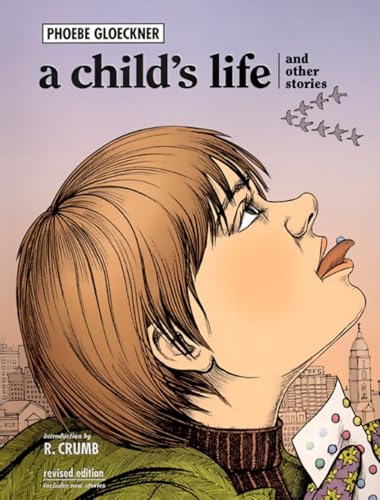
A Child's Life and Other Stories
Book Description
Amidst the chaos of adolescence, innocence collides with darkness in a world where secrets lurk behind every corner. Each story unfolds like a vivid dream, immersing readers in the raw emotions of youth—love, pain, betrayal, and the quest for belonging. Phoebe Gloeckner crafts a hauntingly beautiful tapestry of life, where every character grapples with their own demons, revealing poignant truths about identity and resilience. As friendships unravel and choices spiral into unforeseen consequences, one question lingers: can the fragments of a fractured youth lead to healing, or will they forever haunt the edges of memory?
Quick Book Summary
"A Child's Life and Other Stories" by Phoebe Gloeckner is a searing memoir in graphic novel form, interweaving vignettes and autobiographical stories that depict the tumultuous journey through adolescence. With vivid, unsettling artwork and unflinching honesty, Gloeckner explores the stark realities of growing up, delving into issues of sexuality, abuse, alienation, and the unrelenting search for identity. The narrative shifts between dreamy recollections and intense moments of trauma, painting a complex portrait of a girl navigating a world filled with danger and confusion. Through the fragments of childhood memories and fractured innocence, Gloeckner invites readers to confront uncomfortable truths while ultimately highlighting the resilience needed to transcend the scars of youth.




Summary of Key Ideas
Table of Contents
Loss of Innocence and Coming of Age
"A Child's Life and Other Stories" presents an unvarnished look at adolescence—a time where innocence is rapidly eroded by the encroachment of adult realities. The central narrative threads follow Phoebe, a character closely based on Gloeckner herself, as she encounters situations far beyond her years. The stories illustrate the abruptness with which childhood can end, often at the hands of forces outside a young person’s control. The dialogue and artwork intertwine to evoke the conflicting emotions of hope and despair that accompany this loss of innocence, all set against the backdrop of a suburban environment hiding darkness beneath its veneer.
The Complexities of Sexuality and Agency
Sexuality emerges as a dominant and troubling theme, as Phoebe and other young women grapple with their burgeoning bodies and the often predatory attention of adults. The narratives refuse to shy away from discomfort, chronicling experiences of exploitation, confusion, and blurred boundaries. Gloeckner’s approach is brutally frank, challenging the reader to witness the psychological complexity of her protagonist’s attempts to assert agency in situations where consent and understanding seem inaccessible. The stories scrutinize the intersection of vulnerability, desire, and coercion with uncompromising clarity.
Family Dysfunction and Betrayal
Family dynamics are depicted with a raw honesty that underscores the sense of betrayal and abandonment permeating Phoebe’s life. Whether it’s estrangement from parental figures or the emotional landmines of blended families, Gloeckner exposes the failure of adults to provide protection and support. These environments foster secrecy and silence, leaving young Phoebe to navigate trauma largely alone. The graphic format allows for an intimate insight into her interior world—her isolation, her longing for connection, and her desperate attempts to find someone to trust.
Survival and Resilience in the Face of Trauma
Yet, amidst the bleakness of her experiences, the stories are also a testament to survival and the small, hard-won acts of resilience. Friendship, creativity, and moments of rebellion offer brief respites from pain. Gloeckner imbues her narrative with flashes of wit and insight that undercut despair, showing that self-expression and determination can emerge even from fractured circumstances. These moments are subtle, but they reveal an emerging strength in Phoebe, hinting at the possibility of healing even while scars remain visible.
Memory, Fragmentation, and Storytelling
The structure of the book itself, fragmented and nonlinear, mirrors the nature of memory—how trauma distorts and reassembles the past. Gloeckner’s blend of prose and image allows for a multi-layered storytelling approach, where recollections are hazy, dreamlike, and often disjointed. This stylistic choice reinforces the book’s exploration of how we construct personal narratives from the chaos of lived experience. In embracing complexity and ambiguity, Gloeckner challenges both the conventions of memoir and the boundaries of graphic storytelling.
Download This Summary
Get a free PDF of this summary instantly — no email required.