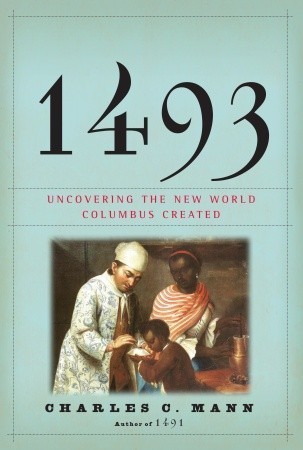
1493: Uncovering the New World Columbus Created
Book Description
What if the journey of discovery didn’t end with Columbus? In "1493: Uncovering the New World Columbus Created," Charles C. Mann unveils a captivating tale of transformation and turmoil, tracing the profound impact of the Columbian Exchange on the planet. This dynamic narrative reveals how the collision of two worlds unleashed chaos across ecosystems, economies, and societies. From the sweeping spread of crops to the darker shadows of colonization, the threads of history weave a complex tapestry of interconnected fates. Can humanity learn from the past and reshape its future in a world forever changed?
Quick Book Summary
"1493: Uncovering the New World Columbus Created" by Charles C. Mann explores the profound long-term consequences of the Columbian Exchange, the massive transfer of plants, animals, diseases, and peoples following Columbus’s voyages. Mann illustrates how this global upheaval reshaped environments, economies, and cultures, connecting continents as never before. With vivid storytelling, the book examines the spread of cash crops like tobacco and sugar, the movement of silver and its impact on global trade, and the tragedy of slavery that reshaped societies. Mann interweaves scientific discovery with human stories, revealing how this historical moment continues to shape our world today — from the food we eat to the economic systems that govern us. The narrative demonstrates that the repercussions of 1492 are far more pervasive and complex than the simple story of discovery and colonization.



Summary of Key Ideas
Table of Contents
The Global Impact of the Columbian Exchange
After 1492, the world experienced an unprecedented biological and cultural collision known as the Columbian Exchange. Charles C. Mann explains how this event was not simply a matter of European conquest, but a decades-long and ultimately global mixing of species, technologies, and peoples. Staple crops like potatoes and maize spread from the Americas to other continents, transforming diets, population growth, and agricultural practices worldwide. Meanwhile, new crops such as wheat and sugar cane flooded into the Americas, altering landscapes and the ways people lived.
Ecological Transformation and Environmental Change
Ecological consequences were swift and dramatic. Imported animals like pigs, horses, and cattle reshaped American ecosystems, often to the detriment of native species. European diseases, including smallpox and malaria, devastated indigenous populations, while foreign plants and pests spread unchecked, leading to environmental upheaval on both sides of the Atlantic. Mann delves into how international exchanges of organisms—sometimes deliberate, other times accidental—produced irreversible changes in landscapes, affecting not just people, but entire ecosystems.
The Spread of Cash Crops and Global Trade
Economically, Mann shows how the spread of cash crops such as tobacco, sugar, and rubber transformed local and global marketplaces. The demand for these lucrative products fueled the expansion of colonial plantations, which relied heavily on enslaved labor. Silver mined in the Americas poured into global trade networks, linking Asia, Europe, Africa, and the Americas in new economic dependencies. This set the stage for the rise of modern capitalism, as new wealth and commodities drove commercial and technological change from China to Spain.
The Consequences of Human Migration and Slavery
Human migration, both voluntary and forced, became a defining feature of this era. Millions of Africans were enslaved and transported to the Americas, forging new cultures in a crucible of suffering. Immigrants from Europe and Asia arrived as indentured laborers or fortune-seekers, further layering societies with complexity. Mann charts the consequences of these migrations, from the blending of foods and traditions to enduring injustices that still shape modern societies.
Ongoing Legacies in Modern Society
Mann concludes by reflecting on the persistent legacies of the Columbian Exchange. The foods we eat, the diseases we face, and the economic and social systems we inhabit are all linked to this transformative period. "1493" urges readers to recognize the interconnectedness of past and present, cautioning that the lessons of this era—about adaptation, consequence, and the power of globalization—remain ever relevant as humanity continues to grapple with ecological and cultural integration on a planetary scale.
Download This Summary
Get a free PDF of this summary instantly — no email required.